Zhaixingtai Park
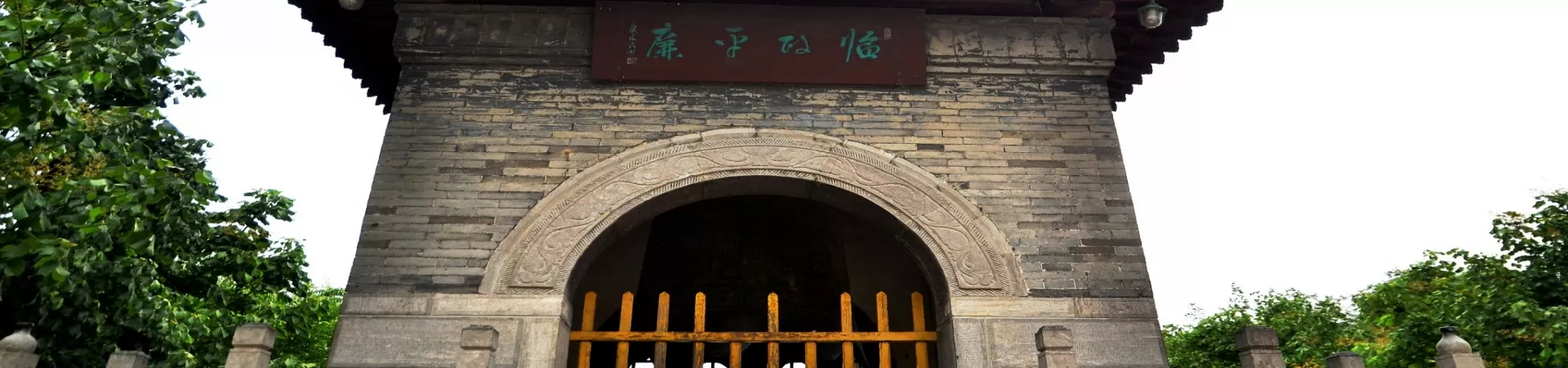
Subtitle: A Journey Through Ancient Legends and Cultural Heritage
1. Introduction to Zhaixing Terrace Scenic Area
Nestled in Hebi, Henan Province, the Zhaixing Terrace Scenic Area stands as a profound testament to China’s ancient history and cultural legacy. Once the site where King Zhou of the Shang Dynasty and his consort Daji observed the stars and, according to legend, orchestrated the removal of Bigan’s heart, this area is deeply intertwined with the myths and realities of the Chaoge era. Today, it has evolved into a multifaceted destination, serving as a recreational hub for fitness and leisure, a base for patriotic education, and a sacred ground for ancestral worship and cultural roots-seeking. With over 50 distinct attractions, the scenic area offers visitors an immersive experience into the rich tapestry of China’s early civilizations, artistic achievements, and philosophical heritage.
2. Historical and Cultural Significance
2.1. The Legacy of Chaoge Culture
Zhaixing Terrace is a vital relic of the Chaoge culture, which flourished during the Shang Dynasty (c. 1600–1046 BCE). As the historical setting for tales of King Zhou’s extravagance and Daji’s influence, the site embodies the complexities of ancient rulership, morality, and intrigue. The stories associated with Zhaixing Terrace, including the martyrdom of Bigan—a loyal minister revered for his righteousness—highlight themes of loyalty, sacrifice, and governance that continue to resonate in Chinese historiography. This cultural depth makes the area not just a tourist spot but a living classroom for understanding China’s early dynastic narratives and ethical traditions.
2.2. Archaeological and Artistic Treasures
The scenic area houses an impressive collection of artifacts that provide tangible links to antiquity. Among these are several stone steles from the Wei (386–535 CE) and Tang (618–907 CE) dynasties, featuring intricate Buddhist carvings and inscriptions. These steles are invaluable for scholars studying ancient Chinese history, religious practices, and雕刻艺术, as they showcase the evolution of artistic styles and iconography over centuries. Additionally, the site includes relics like the "Chen Po’s Heart Sutra Pagoda," a stone structure reflecting Buddhist devotion, and the "Qilin Wall," adorned with mythical creatures symbolizing prosperity and wisdom. Each artifact serves as a piece of a larger puzzle, illustrating the technological and cultural advancements of their eras.
3. Key Attractions Within the Scenic Area
3.1. Monuments and Inscriptions
Visitors can explore a diverse array of monuments that dot the landscape. The "Stele of the Six or Seven Sage Kings of the Yin Dynasty" commemorates the legendary rulers of the Shang era, offering insights into early Chinese kingship ideals. The "No-Ears Lion" statue, a unique sculptural piece, and the "Chetan Stele" (or "Babbling Stele"), known for its enigmatic inscriptions, provoke curiosity and scholarly debate. These features are complemented by the "Three Benevolent Men Shrine," dedicated to Bigan and other virtuous figures, which serves as a space for reflection on Confucian values of benevolence and integrity.
3.2. Cultural Gardens and Poetic Spaces
The "Chaoge Idiom Garden" and "Qi River Poetry Garden" are highlights for literature enthusiasts. These landscaped areas celebrate the linguistic and poetic heritage of the region, featuring engraved verses and idioms that originated in the Chaoge period. The gardens provide a serene environment where visitors can appreciate classical Chinese literature amidst natural beauty, bridging the past with present-day artistic appreciation. Nearby, the "Linjian Terrace" offers panoramic views and a connection to ancestral stories, enhancing the site’s role as a cultural sanctuary.
3.3. Recreational and Educational Facilities
Beyond its historical core, Zhaixing Terrace is designed for modern engagement. Well-maintained paths and open spaces encourage walking, tai chi, and other健身 activities, making it a popular spot for local communities. As an爱国主义教育基地, the area hosts educational programs and exhibitions that delve into China’s ancient history and ethical teachings, fostering a sense of national pride and cultural continuity. Its status as a寻根祭祖圣地 attracts descendants of early clans and tourists seeking to honor their heritage, with annual ceremonies and rituals reinforcing its spiritual significance.
4. Practical Information for Visitors
4.1. Ticket Pricing
Admission to the Zhaixing Terrace Scenic Area is affordably priced at 15 RMB per person. This fee supports the preservation and maintenance of the site, ensuring that its historical and cultural assets remain accessible to the public. Discounts may be available for students, seniors, and group bookings, though visitors are advised to check ahead for any updates or special promotions.
4.2. Operating Hours
The scenic area is open year-round, with operating hours from 08:00 to 17:30, Monday through Sunday. This schedule applies consistently from January 1 to December 31, allowing flexibility for planning visits across seasons. Early mornings or late afternoons are recommended for a quieter experience, while weekdays tend to be less crowded than weekends. Visitors should allocate at least half a day to fully explore the attractions, and comfortable walking shoes are advisable due to the site’s expansive layout.