Yunmengshan Scenic Area
Subtitle: A Journey into the Heart of Chinese Military Strategy and Natural Beauty
1. Introduction to Yunmeng Mountain Scenic Area Nestled in the ancient city of Hebi, in China's Henan Province, the Yunmeng Mountain Scenic Area stands as a monumental testament to both natural grandeur and profound historical legacy. Far more than a simple landscape of peaks and valleys, Yunmeng Mountain is revered as the birthplace of Chinese military science, the legendary site where the revered strategist Guiguzi (Master of Ghost Valley) established his school and mentored illustrious disciples like Sun Bin and Pang Juan. This unique fusion of majestic karst topography, deep cultural roots, and spiritual significance transforms a visit into an immersive exploration of China's philosophical and strategic heritage, set against a breathtaking natural canvas.
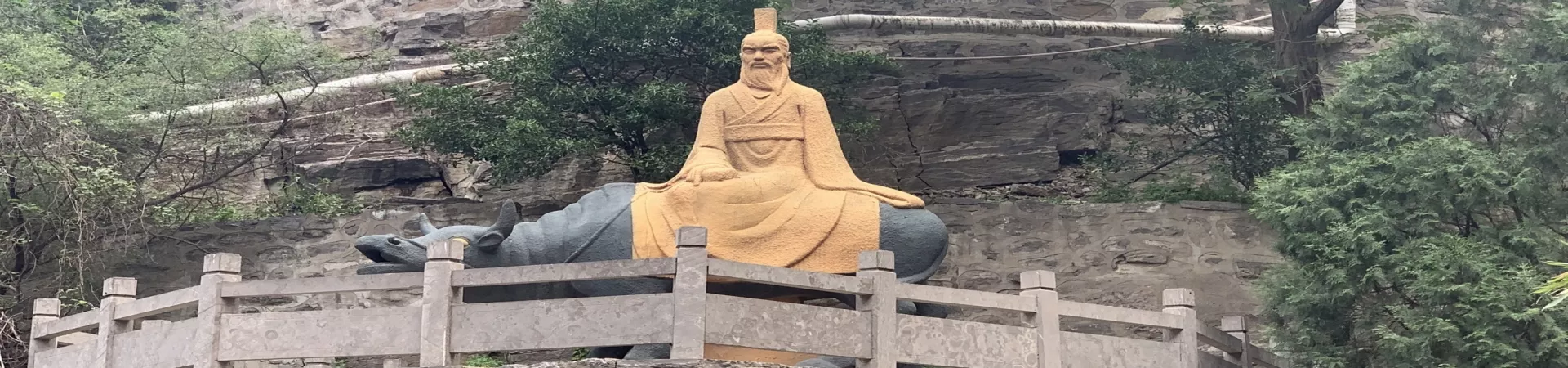
2. Historical and Cultural Significance: The Cradle of Strategy 2.1 Guiguzi and the School of Military Strategy The soul of Yunmeng Mountain is inextricably linked to the enigmatic figure of Guiguzi, a master thinker, strategist, and politician during the Warring States period. He chose the secluded caves and serene environment of Yunmeng to teach the arts of statecraft, diplomacy, and military tactics. His teachings, foundational to what is known as the "School of Diplomacy," emphasized psychological insight, adaptability, and strategic planning. The mountain is considered his primary academy, making it a pilgrimage site for those interested in the origins of Eastern strategic thought.
2.2 Legacy of the Disciples Guiguzi's most famous pupils, Sun Bin and Su Qin, were pivotal figures whose actions shaped an era. Sun Bin, a brilliant military theorist, authored the renowned "Sun Bin's Art of War," further developing strategic concepts. Exploring the sites associated with their training allows visitors to walk in the footsteps of these legendary minds. Key cultural relics, including the Guiguzi Cave (where he is said to have taught and meditated), Sun Bin Cave, and the Scripture Sending Altar, are physical connections to this vibrant intellectual past, offering a tangible link to the stories that have influenced Chinese history for millennia.
3. Exploring the Natural Landscape and Key Attractions The scenic area masterfully blends its cultural sites with spectacular natural geology, characterized by steep cliffs, deep gorges, unique rock formations, and lush vegetation.
3.1 The Northern Heavenly Gate and Summit Views A central highlight is the Northern Heavenly Gate (Beitiammen), a majestic natural arch formed through millennia of erosion. This stone gateway frames stunning panoramic views of the surrounding mountains and valleys, serving as a dramatic symbol of the area's beauty. The climb to and through the gate is a rewarding experience, offering photographers and nature lovers unparalleled vistas.
3.2 The Five-Layer Gorge and Waterfalls The Five-Layer Gorge (Wuceng Xia) is the hydrological heart of the landscape. A series of cascading waterfalls and crystal-clear pools carve through the rock strata, creating a dynamic and refreshing scene. The sound of rushing water accompanies hiking trails along the gorge, with each layer revealing a new perspective and a cooler, serene microclimate, especially enchanting during the summer months.
3.3 Additional Notable Sites * Guiguzi's Water Well: A historic well attributed to the master, symbolizing the source of wisdom. * Qingxi Spring: A clear, perennial spring adding to the area's serene atmosphere. * Immortal Summit (Xianrenting): A high vantage point offering sweeping views of the entire scenic area, perfect for sunrise or sunset contemplation. * Ancient Temples and Inscriptions: Scattered throughout the mountain are various Taoist and Buddhist temples, alongside stone carvings and inscriptions left by scholars and visitors through the dynasties, adding layers of spiritual and historical depth.
4. Practical Visitor Information To ensure a smooth and enjoyable visit, please note the following essential details regarding operations and access.
4.1 Opening Hours The scenic area operates with seasonal hours: * Summer Schedule (June 1 - August 31): Open daily from 07:30 to 17:30. * Winter Schedule (December 1 - February 28/29): Open daily from 08:00 to 17:00, with last admission at 16:30. * Hours for the spring and autumn seasons typically align closer to the summer schedule, but visitors are advised to confirm in advance.
4.2 Ticketing and Special Policies * Contact Information: For the most current information on tickets, policies, or weather conditions, you may contact the scenic area at 0319-2758550 or 0319-2666698. * Special National Policy: The scenic area has historically offered free admission to national medical workers upon presentation of a valid professional qualification certificate and personal ID card. As this policy may be time-bound, its specific end date should be verified directly with the景区 by phone prior to your visit. * Important Note on Complimentary Tickets: Visitors eligible for free admission (such as seniors, children within height limits, or others as per policy) are typically required to pay a small insurance fee at the entrance. It is recommended to have cash on hand for this transaction and to inquire about all eligibility requirements beforehand.