Qihe National Wetland Park
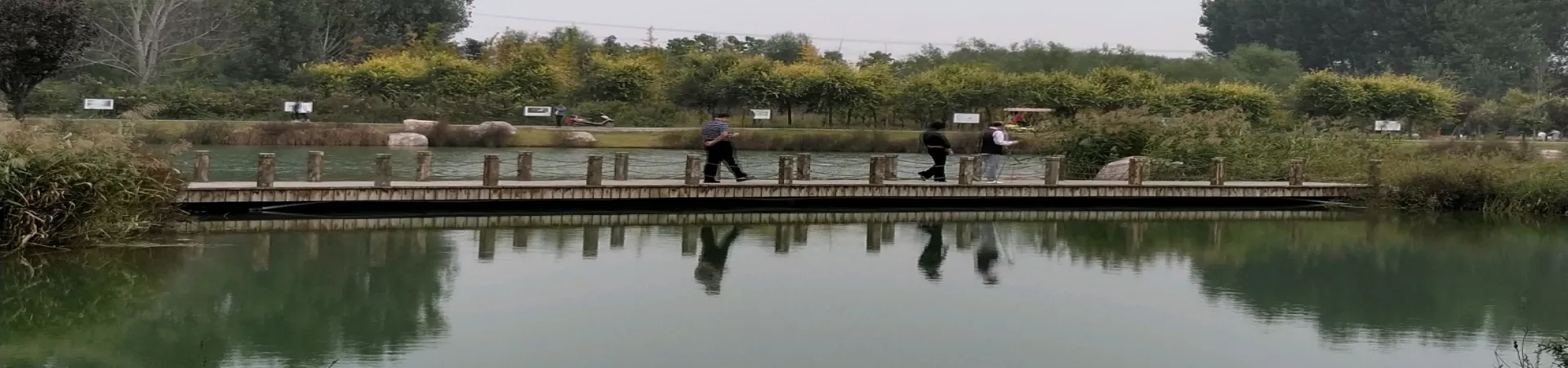
Subtitle: A Sanctuary of Biodiversity and Serenity Along the Qi River
1. Introduction to Qihe National Wetland Park
Nestled in the heart of Hebi City, Henan Province, the Qihe National Wetland Park stands as a testament to China's dedication to ecological conservation and sustainable tourism. This expansive park, centered around the serene Qi River, is far more than a simple green space; it is a meticulously planned and managed ecosystem designed to protect vital habitats, restore natural balance, educate the public, and offer a peaceful retreat into nature. Having undergone significant infrastructure development and ecological engineering, the park now presents visitors with a harmonious blend of protected wilderness, accessible recreational areas, and educational facilities, all working in concert to showcase the unique beauty and ecological importance of wetland environments.
2. Park Structure and Functional Zones
The park is intelligently divided into several functional zones, each with a specific purpose contributing to the overall mission of conservation and visitor experience.
2.1. Core Conservation Zones: The Heart of the Ecosystem * Ecological Conservation Area: This is the protected core of the wetland. Access is limited to minimize human impact, allowing flora and fauna to thrive undisturbed. It serves as a crucial sanctuary, particularly for avian species, ensuring the preservation of the area's most sensitive habitats. * Ecological Restoration Area: This zone represents the park's active commitment to healing the environment. Through targeted projects like afforestation—over 1300 acres have been planted so far—the park management rehabilitates degraded land, gradually returning it to a healthy, natural state and expanding quality habitat.
2.2. Visitor-Focused Zones: Engagement and Education * Rational Utilization Area: Carefully designed for sustainable public enjoyment, this area allows visitors to immerse themselves in the landscape without harming its integrity. It features thoughtfully planned trails, observation points, and scenic spots where one can appreciate the park's beauty responsibly. * Science Education and Interpretation Area: A cornerstone of the park's mission, this zone transforms a visit into a learning experience. Through interactive displays, informative signage, and potential visitor center facilities, it educates guests on wetland ecology, biodiversity, and the importance of conservation, fostering a deeper appreciation for the natural world.
2.3. Support and Access Zone * Management and Service Area: Ensuring a smooth and comfortable visitor experience, this zone houses essential infrastructure. It includes a well-maintained road network, ample parking facilities, administrative buildings, and public amenities. Key features like viewing platforms and descending mountain stairways provide safe and spectacular access to vistas, making the park's beauty accessible to all.
3. The Ecological Tapestry: Landscapes and Wildlife
The dedicated efforts in afforestation and habitat creation have yielded remarkable results. The park is now characterized by a rich, emerging ecological landscape specifically tailored to support diverse life. Lush woodlands, tranquil waterways, reed beds, and marshes create a mosaic of wetland habitats. This successful environmental shaping has made the park a premier habitat for birds, attracting various species for breeding, foraging, and shelter. Birdwatchers and nature enthusiasts can witness a dynamic ecosystem where the interplay of water, forest, and meadow "exhibits the distinctive ecological features of a wetland." The air is filled with birdsong, and the careful observer may spot numerous other forms of wildlife that contribute to the area's vibrant biodiversity.
4. Practical Information for Visitors
To plan an effective visit, please note the following essential details: * Opening Hours: The park is open daily from 09:00 to 17:00. The last admission is at 16:00. These hours are consistent throughout the year, from January 1st to December 31st. * Visitor Guidelines: It is encouraged for visitors to respect all park signage, stay on designated paths—especially near conservation zones—and adhere to the principles of "leave no trace" to help preserve the park's delicate environment for future generations.