Qi River Natural Tai Chi Diagram
Subtitle: A Serene Fusion of Nature, Philosophy, and History Along the Qi River
1. Introduction: The Canvas of Nature and Ancient Wisdom Nestled in the picturesque landscape of Hebi City, in China's Henan Province, lies a geographical marvel that seems drawn from the pages of ancient mythology or the profound diagrams of classical philosophy—the Qi River Natural Taiji Diagram. This is not a man-made creation but a breathtaking natural formation, where the gentle Qi River, in its millennia-long meander, has sculpted a perfect, giant representation of the Taiji symbol, also universally recognized as the Yin-Yang diagram. The site stands as a serene open-air museum where the forces of nature, the depth of Chinese philosophical thought, and the weight of historical legacy converge into a single, harmonious vista. For the discerning traveler, it offers far more than a scenic overlook; it is a place for contemplation, a bridge to understanding the foundational principles of Chinese culture, and a testament to the timeless dialogue between the human spirit and the natural world.
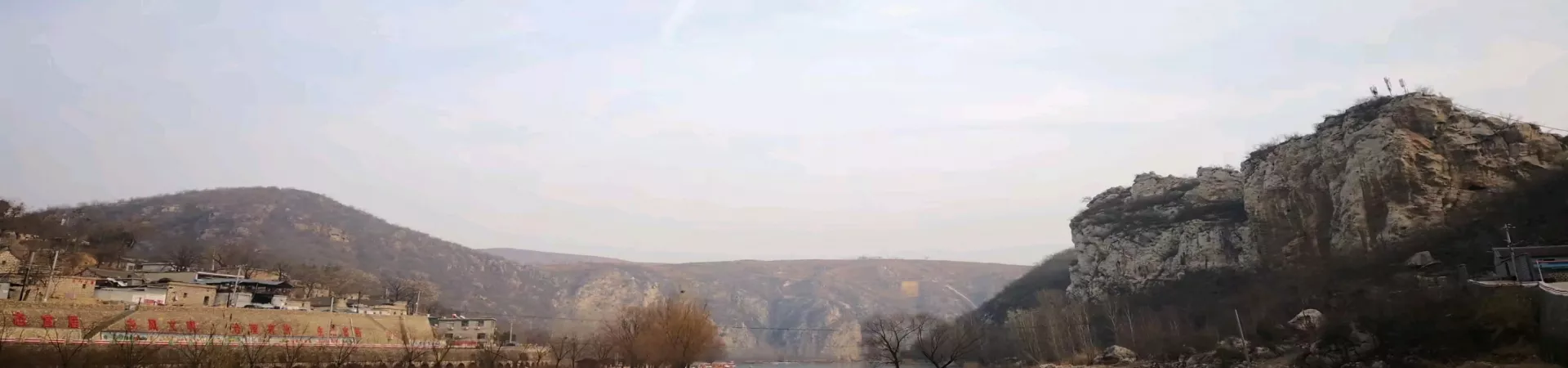
2. The Natural Phenomenon: A River's Artistic Masterpiece 2.1. Formation and Landscape The core wonder of the site is its flawless natural geometry. Viewed from the surrounding hills or elevated platforms, the Qi River executes two near-perfect semicircular bends around a pair of lush, vegetated peninsulas. One peninsula, bathed in sunlight, rises with a distinct, rounded form, while its counterpart lies lower and more shaded. The deep green, flowing waters of the river separate and embrace these two landmasses, creating a vivid, dynamic contrast of light and shadow, elevation and depression, solid land and fluid water. This natural arrangement mirrors the iconic Taiji symbol with uncanny precision. The "S-curve" of the river forms the dividing line between the two hemispheres, while the small villages or groves situated at the heart of each peninsula poetically echo the "dots" present in the philosophical symbol, suggesting the seed of one principle within the realm of the other.
2.2. Seasonal Transformations The Taiji Diagram is not a static image but a living landscape that changes its character with the seasons. In spring, the surrounding mountains and the twin peninsulas burst into a vibrant tapestry of blooming flowers and fresh foliage, with the river running clear and brisk. Summer cloaks the area in a dense, rich green, emphasizing the vitality (Yang) of the scene. Autumn transforms the canvas into breathtaking hues of gold, red, and amber, reflected in the tranquil river, offering a profound sense of balance and harvest. In winter, a light dusting of snow or frost can simplify the contrast into a monochrome yet powerful composition of white and dark earth, highlighting the fundamental duality. Each season offers a unique perspective on the eternal cycle of Yin and Yang.
3. Cultural and Philosophical Significance: The Heart of Chinese Thought 3.1. Embodiment of Yin-Yang Philosophy This landscape is the ultimate physical manifestation of the Taiji concept central to Taoism and Chinese cosmology. The principles of Yin (dark, receptive, feminine, associated with water and earth) and Yang (light, active, masculine, associated with fire and sky) are not abstract ideas here but visible realities. The shaded valley, the flowing river, and the lower landmass embody Yin. The sunlit hill, the solid earth, and the elevated terrain embody Yang. The seamless, flowing integration of these opposites into a single, unified, and beautiful whole serves as a powerful, natural lesson in harmony, balance, and interdependence. It illustrates that opposites are not in conflict but are complementary and essential forces that give rise to all phenomena in the universe.
3.2. Historical and Religious Connections The area surrounding the Qi River has been a cradle of Chinese civilization for centuries. It is intimately linked with the legendary figures and sacred texts of Chinese history. The nearby Cloud Dream Mountain (Yunmeng Shan) is traditionally associated with the Warring States period strategist and mystic Guiguzi, who is said to have taught here. More significantly, the region is deeply connected to the origins of Taoism. Some historical accounts and local traditions suggest that the profound insight which led Laozi, the revered sage and author of the Tao Te Ching, to formulate the concepts of the Tao and Taiji, may have been inspired by the contemplation of this very landscape. While historical verification is elusive, the palpable spiritual atmosphere makes such a connection deeply believable. The site has thus attracted philosophers, monks, and seekers throughout history, adding layers of cultural sediment to its natural beauty.
4. Visitor Experience and Practical Information 4.1. Exploring the Site A visit to the Qi River Natural Taiji Diagram is a multi-sensory journey. The primary experience begins at the designated observation decks, which provide the panoramic, elevated views necessary to appreciate the full scale and symmetry of the formation. From here, visitors can descend along paved paths and trails to explore the area more intimately. Walking along the riverbanks, crossing small bridges, and approaching the villages on the peninsulas allows one to experience the "Yin" and "Yang" sectors from within. The gentle sound of the river, the rustle of leaves, and the expansive skies create an environment of profound peace. For a truly immersive experience, a boat ride on the Qi River offers a unique, ground-level perspective of the taiji curves, making the philosophical metaphor a tangible, surrounding reality.
4.2. Key Attractions and Activities Beyond the central geological wonder, the area offers complementary sites that enrich the cultural journey. The Taiji Cultural Museum or exhibition halls near the visitor center provide valuable context, explaining the philosophy, history, and geology of the site through artifacts, models, and multimedia presentations. Guiguzi's Cave and other historical relics on Cloud Dream Mountain appeal to those interested in ancient Chinese history and military strategy. The surrounding countryside is ideal for light hiking, photography, and simply soaking in the pastoral scenery. The site is also a popular destination for practitioners of Tai Chi and Qigong, who find its energy and symbolism particularly conducive to their meditative exercises.
4.3. Practical Details for Planning Your Visit * Opening Hours: The scenic area is open daily from 09:00 to 18:00 throughout the year (January 1st to December 31st, Monday through Sunday). It is advisable to arrive earlier in the day to allow ample time for exploration and to capture the best light for photography, particularly in the morning or late afternoon. * Location and Access: The site is located in the Shannan district of Hebi City. It is most conveniently accessed by private vehicle or taxi from Hebi's city center or from nearby major transport hubs like Anyang or Xinxiang. Public bus routes may also be available from Hebi's central bus station, though schedules should be verified in advance. * Visitor Tips: Wear comfortable walking shoes suitable for paved paths and gentle trails. Bring water, sun protection (hat, sunscreen) for the exposed viewing platforms, and a camera. The weather can change, so a light jacket is recommended. As a place of natural beauty and cultural reverence, visitors are encouraged to maintain the cleanliness and tranquility of the environment.