Junxian Ancient City Wall
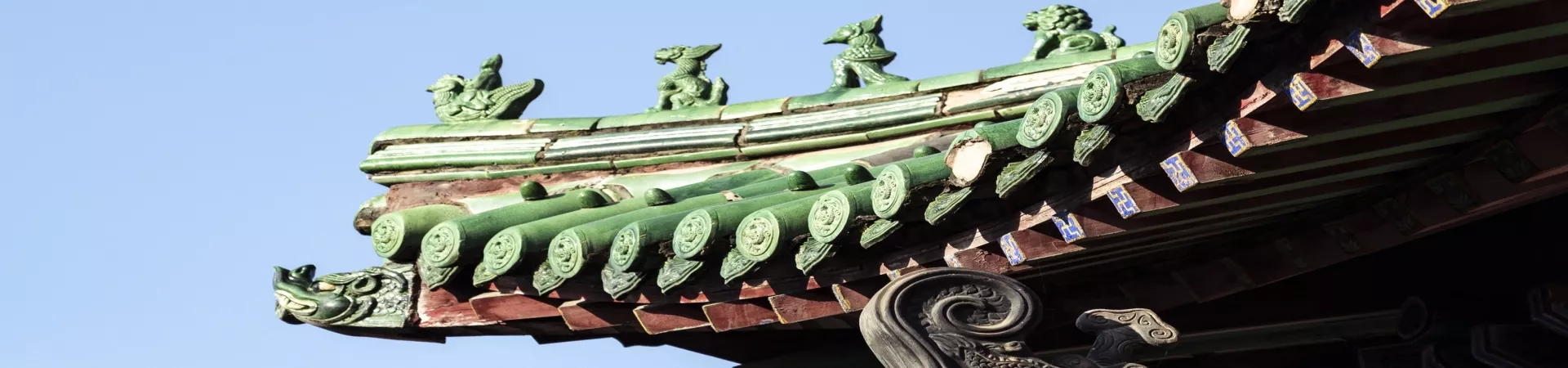
Subtitle: A Journey Through Time: Exploring the Ancient City Wall of Junxian
1. Introduction: The Sentinel of History
Nestled in the heart of Hebi City, in China's northern Henan province, lies a monumental testament to time and human endeavor—the Ancient City Wall of Junxian. More than just a physical barrier, this sprawling fortification is a chronicle in stone and earth, whispering tales of dynastic rise and fall, strategic military importance, and the enduring spirit of a region known as the "Granary of the North." For the modern visitor, a visit to the Junxian City Wall is not merely a sightseeing excursion; it is an immersive walk through layers of Chinese history, offering a profound connection to the architectural genius and strategic minds of ancient China. As one of the best-preserved county-level ancient city walls in the country, it stands as a silent guardian, inviting exploration and contemplation.
2. Historical Tapestry: From Strategic Stronghold to Cultural Beacon
2.1. Foundations in Antiquity The story of the Junxian City Wall begins over 600 years ago, during the vibrant Ming Dynasty (1368-1644 AD). Its construction was driven by paramount strategic necessity. Junxian, historically a crucial transport hub linking the political centers of the north with the fertile plains of the south, was a vital logistical and military node. The wall was erected to defend this key position, safeguard the immense grain reserves stored in the region's famed "Liangkucang" granaries, and protect the local populace from unrest. Its foundations are built upon even older histories, with the area serving as a significant settlement for millennia.
2.2. Architectural Evolution Through Dynasties While its core structure dates to the Ming era, the wall bears the marks of subsequent stewardship, most notably during the Qing Dynasty (1644-1912 AD). Throughout its life, it underwent systematic repairs, reinforcements, and modifications. Each brick and tamped-earth layer encapsulates the engineering standards and defensive priorities of its time. This continuous maintenance highlights the wall's unbroken significance across centuries, evolving from a purely military installation into a symbol of regional identity and resilience. It witnessed the flux of imperial power, the turmoil of wars, and the quiet passage of everyday life at its feet.
3. Architectural Grandeur: Deciphering the Defensive Masterpiece
3.1. Layout and Scale The wall presents a classic, roughly square layout, conforming to traditional Chinese city-planning principles that symbolized order and harmony with the cosmos. Encompassing a perimeter of several kilometers, its imposing scale is designed to awe and deter. The primary construction materials are a robust combination of tamped earth cores faced with large, grey bricks, a technique that provided both strength and stability. Walking along its broad top, one gains a true appreciation for the monumental labor and resources invested in its creation.
3.2. Key Defensive Components The wall's design is a masterclass in ancient military architecture, integrating multiple defensive features: * The Moat: Originally, a wide, water-filled moat encircled the wall, forming the first line of defense against infantry and siege engines. Though its water levels have varied over time, its course remains a visible feature of the landscape. * Gates and Watchtowers: The wall is punctuated by several grand city gates, each once a complex entry point with massive wooden doors, portcullises, and gate towers for command and observation. Strategically placed watchtowers (or dielou) project outward from the main curtain wall, allowing defenders to fire along the face of the wall, eliminating blind spots—a sophisticated feature for its time. * Battlements and Parapets: The upper ramparts are lined with classic crenellated battlements (duokou), providing archers and guards with protective cover while allowing them to shoot or observe. The wide walkway behind facilitated the rapid movement of troops and supplies during a siege.
4. The Visitor Experience: Walking the Ancient Ramparts
4.1. A Walk Through Different Eras Today, restored sections of the wall are accessible to the public, offering a unique pedestrian experience. Ascending the ancient steps, visitors are transported to a different pace of life. The panoramic views from the top are breathtaking: the contrasting vistas of the well-preserved historical structures within the old city district against the backdrop of modern Junxian's development. It is a physical and visual dialogue between past and present.
4.2. Cultural Integration and Seasonal Beauty The wall is not a isolated relic but is seamlessly woven into the fabric of the city and its cultural calendar. It serves as a majestic stage and backdrop for various local festivals and cultural events throughout the year. Furthermore, the environment around the wall has been carefully developed. Landscaped parks and greenways now nestle against its base, where locals practice tai chi, socialize, and enjoy leisure time. The changing seasons dramatically alter the wall's character: the vibrant greens of willow trees in spring, the lush foliage of summer, the golden hues of autumn, and the stark, dramatic beauty of snow-dusted bricks in winter, each offering a distinct photographic and sensory experience.
4.3. Proximity to Other Heritage Sites A visit to the city wall is perfectly complemented by exploring other historical treasures within Junxian. A short distance away lies the Dapi Mountain Grottoes, a magnificent complex of Buddhist rock carvings spanning from the Northern Wei to the Tang dynasties, showcasing exquisite religious art. Additionally, the nearby Confucius Temple (Wenmiao) and other ancient temples offer deeper insights into the philosophical and spiritual life that flourished under the wall's protection. Together, they form a rich cultural itinerary, allowing visitors to spend a full day immersed in the depth of Junxian's heritage.
In essence, the Junxian Ancient City Wall is far more than an old fortification. It is the enduring spine of the city, a museum without a roof, and a peaceful escape above the bustling streets. It demands not just to be seen, but to be felt underfoot and contemplated upon, offering every visitor a tangible link to the profound narrative of China.