Guling Mountain Scenic Area
Subtitle: A Journey Through Ancient Spirits and Sacred Legends
Nestled in the northwest of Qi County, Hebi City, Henan Province, lies the Ancient Lingshan Scenic Area, a captivating 4A-rated national park that serves as a profound portal into China's mythical origins and early dynastic history. More than just a landscape of natural beauty, it is a cultural sanctuary where the echoes of the Shang Dynasty and the enduring legends of the goddess Nüwa resonate through its serene mountains and ancient structures. The area's essence is perfectly captured in the classical couplet: "The spiritual mountain embraces the exquisite temple; the divine spring cleanses the dust of the heart." Easily accessible via major transport routes including the Beijing-Guangzhou Railway, National Highway 107, and the Jingzhu Expressway, and located approximately 15 kilometers from downtown Hebi, this destination offers a seamless blend of historical exploration and tranquil retreat.
## 1. The Cultural and Historical Heartbeat ### 1.1. Realm of Nüwa: The Creator Goddess The spiritual core of Ancient Lingshan is deeply intertwined with the worship of Nüwa, a central figure in Chinese mythology credited with creating humanity and mending the heavens. The terrain itself is considered a sacred site of her activities. Visitors can explore shrines and temples dedicated to her, feeling the pervasive sense of creation and protection that defines the area. This connection transforms a simple visit into a walk through foundational myths, where every rock and spring seems to hold a story of genesis and divine intervention.
### 1.2. Echoes of the Shang Dynasty Complementing the mythological layer is the area's rich association with the Shang Dynasty (c. 1600–1046 BCE), one of China's earliest recorded dynasties. The cultural artifacts and historical references within the park provide a tangible link to this ancient civilization. This dual heritage—where profound mythology meets documented history—creates a unique narrative depth, allowing visitors to contemplate the intersection of legend, belief, and the dawn of Chinese statehood within a single, contemplative environment.
## 2. Navigating Your Visit: Practical Information ### 2.1. Admission and Operating Hours To facilitate a smooth journey, please note the following practical details. The scenic area is open year-round from 8:00 AM to 5:00 PM, Monday through Sunday. The standard admission fee is set at 30 RMB per person. It is always advisable to verify the latest information prior to your visit, as operational details may be subject to change for special events or maintenance.
### 2.2. Contact and Inquiries For direct communication regarding specific questions, tour arrangements, or the latest updates, the scenic area can be contacted via telephone at 0392-7179030.
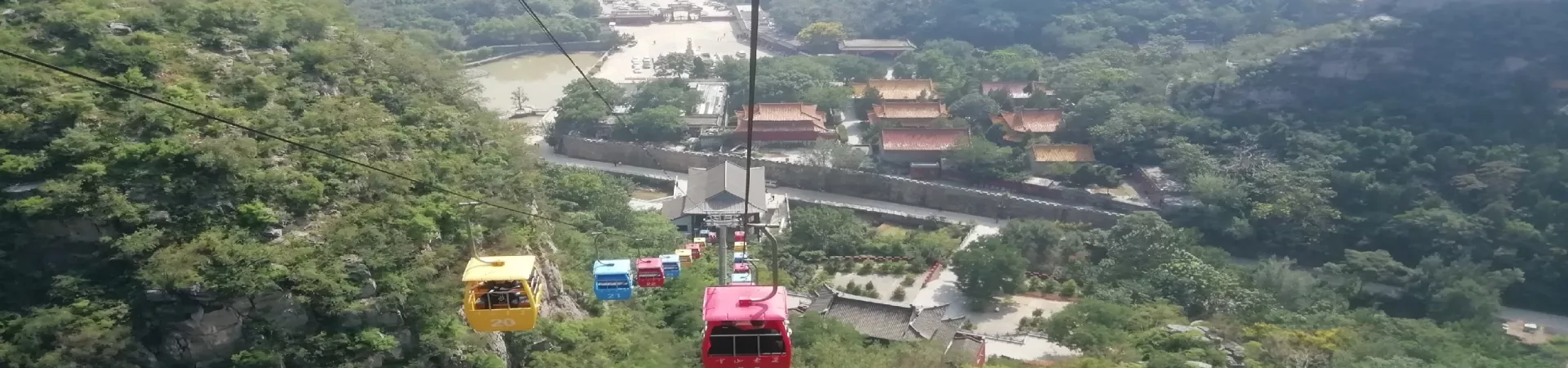
## 3. Exploring the Sacred Landscape ### 3.1. The Architectural Harmony: Temples Embraced by Mountains The couplet's first line, "Lingshan bao miao si" (灵山抱妙寺), speaks to the exquisite architectural harmony achieved here. Ancient temples and pavilions appear not as intrusions but as natural extensions of the mountain itself. They are thoughtfully nestled into cliffsides and perched on slopes, creating vistas where human artistry and natural grandeur are inseparable. These structures, often dedicated to Nüwa or Buddhist and Daoist deities, serve as peaceful havens for reflection and offer stunning panoramic views of the surrounding valleys.
### 3.2. The Divine Springs: Cleansing Waters of Clarity The second line of the couplet, "Shenquan di xin ai" (神泉涤心埃), highlights the equally revered natural feature of the area: its sacred springs. The clear, flowing waters are more than just scenic elements; they are historically and spiritually celebrated for their purported purity and restorative qualities. Following paths along these streams or visiting their sources invites a moment of cool tranquility. The metaphorical idea of the water "cleansing the dust from the heart" encapsulates the experiential goal for many visitors—to find mental clarity and spiritual refreshment through engagement with this pristine natural environment.
## 4. The Integrated Experience A visit to Ancient Lingshan is a multi-sensory engagement with China's cultural memory. It begins with a physical journey through a serene landscape of forested slopes and clear waters, transitions into an intellectual exploration of deep history and vibrant mythology at various historical sites, and ideally culminates in a moment of personal tranquility. Whether one is drawn by academic interest in the Shang Dynasty, a spiritual curiosity about the Nüwa legends, or a simple desire for scenic beauty and peace, the site offers a layered and rewarding experience. The infrastructure ensures accessibility, while the preservation of its cultural and natural essence guarantees an encounter that feels both authentic and timeless, leaving visitors with a lasting impression of a place where heaven, earth, and human history are intimately connected.