Fuqiu Mountain Scenic Area
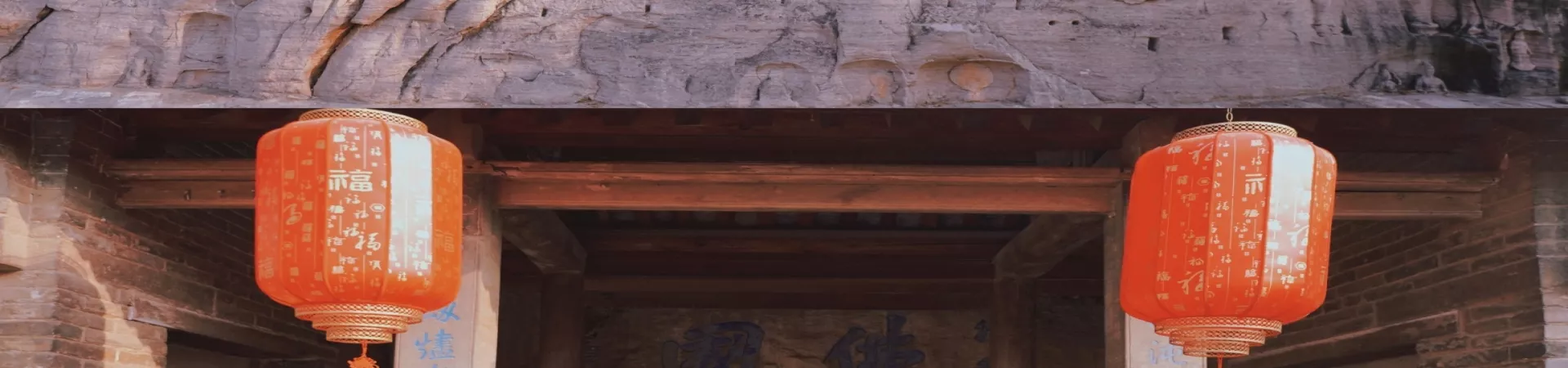
Subtitle: A Journey Through Time and Faith: Exploring the Sacred Peaks of Fuqiu Mountain
1. Introduction: The Twin Pillars of Jun and Fu
Nestled in the heart of Hebi City, in China's northern Henan province, lies a spiritual landscape of profound historical and cultural significance: the Fuqiu Mountain Scenic Area. Often spoken of in tandem with its neighboring peak, Jun Mountain (Jūnshān), Fuqiu Mountain forms one half of the revered "Twin Peaks of Jun and Fu" (Jùnfū Shuāngshān). For centuries, these two mountains have stood as silent sentinels over the plains, their slopes not merely geological formations but canvases upon which the rich tapestry of Chinese folk religion, mythology, and imperial history has been vividly painted. While Jun Mountain is celebrated for its ancient temples and cliff inscriptions, Fuqiu Mountain offers a distinct, deeply spiritual journey centered around one of the most iconic and enduring goddesses in Chinese culture—the Queen Mother of the West (Xīwángmǔ).
2. The Spiritual Heart: Cult of the Queen Mother of the West
2.1. A Pantheon on the Mountainside The essence of Fuqiu Mountain is inextricably linked to the veneration of the Queen Mother of the West. Unlike the more formal state Confucian or Buddhist traditions, the worship here is rooted in vibrant Chinese folk Taoism and popular belief. The mountain itself is considered a sacred abode, a celestial meeting place between heaven and earth. The primary architectural manifestation of this devotion is the magnificent Niangniang Temple (Niángniáng Diàn) complex. This sprawling ensemble of halls, pavilions, and altars is dedicated to the Queen Mother and her divine court.
2.2. Architectural Harmony and Symbolism The temple buildings, constructed and renovated across various dynasties particularly during the Ming and Qing periods, showcase traditional Chinese architectural aesthetics. They are characterized by sweeping upturned eaves adorned with intricate carvings of mythical beasts, vibrant painted beams, and solemn courtyards. The layout follows the natural contours of the mountain, creating a sacred pathway that guides pilgrims upward, both physically and spiritually. The main hall houses statues of the Queen Mother, often depicted in her regal splendor, symbolizing longevity, cosmic order, and the power of the feminine divine.
3. A Pilgrim's Ascent: Experiencing the Sacred Route
3.1. The Path of Devotion A visit to Fuqiu Mountain is traditionally an act of pilgrimage. The ascent begins at the mountain base, where visitors pass through ancient stone gateways. The path, paved with stone steps worn smooth by countless footsteps over generations, winds its way through groves of cypress and pine trees. The air is often filled with the scent of incense carried from the temples above and the murmur of prayers. Along the route, smaller shrines and votive stations allow for moments of rest and reflection.
3.2. Vistas and Contemplation Strategic points on the climbing route offer breathtaking panoramic views of Hebi City and the vast North China Plain stretching to the horizon. These natural viewing platforms provide a powerful perspective, emphasizing the mountain's role as a link between the human realm and the heavens. The climb is as much about internal contemplation as it is about external scenery, with each step representing a move closer to spiritual fulfillment and the blessings sought from the goddess.
4. Cultural Tapestry: Beyond the Temples
4.1. The Annual Temple Fair The cultural vitality of Fuqiu Mountain peaks during its annual temple fair, typically held around significant dates in the lunar calendar associated with the Queen Mother. This event transforms the scenic area into a bustling hub of activity. It is a vibrant fusion of commerce, performance, and deep religious practice. Pilgrims flock to the temple to offer incense, while the surroundings come alive with traditional opera performances, dragon and lion dances, and a market offering local handicrafts, religious artifacts, and distinctive regional snacks.
4.2. Myths and Local Lore The mountain is steeped in local legends and myths that extend beyond the canonical Taoist texts. Stories of the Queen Mother bestowing blessings, granting children, or offering protection are woven into the local identity. These narratives, passed down orally, add a rich, human dimension to the stone and timber of the temples, making the site a living repository of intangible cultural heritage.
5. Practical Information for Visitors
5.1. Location and Access The Fuqiu Mountain Scenic Area is located in the Shancheng District of Hebi City, Henan Province. It is easily accessible by public bus or taxi from Hebi's city center. The nearby Jun Mountain Scenic Area is often combined for a full-day "Twin Peaks" exploration.
5.2. Opening Hours and Contact The scenic area is open to visitors daily. The operating hours are from 08:00 to 17:00, with the last admission at 17:00. It is advisable to allocate at least 3-4 hours for a thorough visit to ascend the mountain, explore the temple complex, and descend. For the most current information, especially regarding special events or holiday schedules, visitors can contact the scenic area administration at 0392-5503847.
5.3. Visitor Tips Comfortable walking shoes are essential for navigating the stone steps. Modest dress is recommended as a sign of respect within the active temple grounds. While the main paths are well-maintained, those with mobility concerns may find the ascent challenging. The temple fair periods offer a unique cultural experience but also involve significantly larger crowds.