Chaoyang Hanging Temple
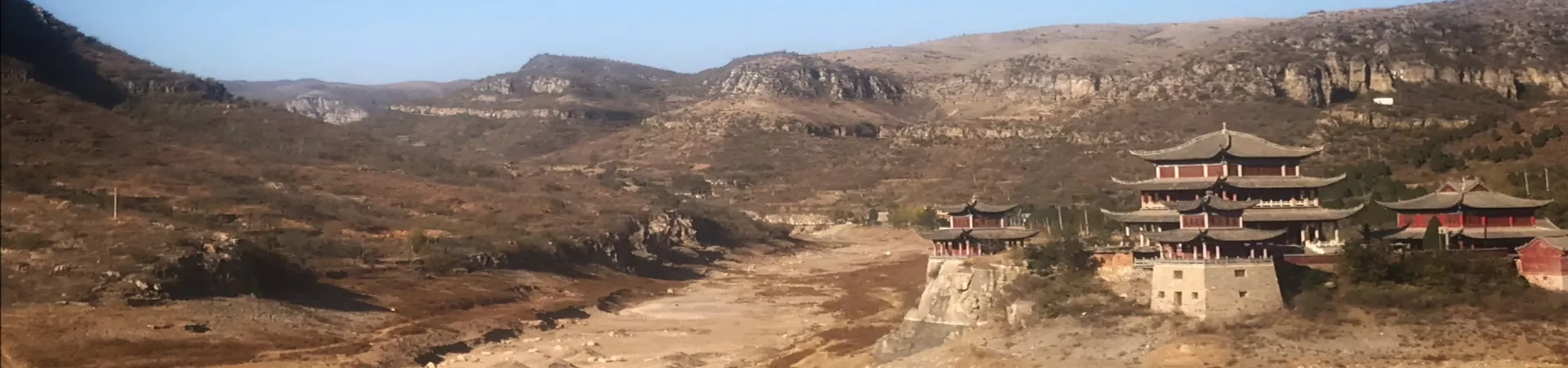
Subtitle: A Journey to Chaoyang Hanging Temple: Where History, Faith, and Gravity-Defying Architecture Meet
1. Introduction to Chaoyang Mountain Nestled approximately 5 kilometers northwest of Qi County, Henan Province, Chaoyang Mountain—affectionately known as Jian Mountain—stands as a majestic sentinel on the fault line where the mighty Taihang Mountains meet the vast North China Plain. More than just a scenic landform with an elevation of 623 meters and a dramatic vertical rise of over 500 meters, this National AAA-level tourist area is a profound repository of history and culture. It masterfully blends the attributes of antiquity, grandeur, peculiarity, precipitousness, and elegance, offering visitors an ideal destination for sightseeing, hiking, physical wellness, and immersive communion with nature. The sprawling 18-square-kilometer scenic area is dotted with over a hundred captivating sites, including its namesake peaks, ancient temples, serene nunneries, historical fortresses, mysterious caves, and enigmatic tombs, each whispering tales from a bygone era.
2. A Tapestry of History and Legend 2.1. From Imperial Palace to Sacred Ground The mountain's significance stretches back to the dawn of Chinese civilization. According to local chronicles from the Ming and Qing Dynasties, the area was once the site of a palace complex for Emperor Zhou of the Shang Dynasty, serving specifically as his winter retreat. This imperial connection establishes Chaoyang Mountain as a place of ancient power and luxury. Centuries later, in the 7th year of the Wuding era during the Eastern Wei Dynasty (549 AD), the site underwent a profound transformation from a secular palace to a spiritual sanctuary with the establishment of a Buddhist monastery. This marked the beginning of its enduring legacy as a center of faith and architectural wonder.
2.2. Key Historical Sites Within the Landscape Beyond the famed hanging temple, the mountainscape is an open-air museum. The ruins of King Zhou's Winter Palace offer a tangible link to its opulent past. Chaoge Zhai, an ancient mountain stronghold, evokes images of strategic defense. The Tomb of the Long-Sleeping Taoist and sites like Wang Mang Cave add layers of mysticism and folklore. Scattered across the cliffs, awe-inspiring rock carvings, including a giant "Buddha" character and the naturally sculpted Reclining Flying Buddha, silently testify to the area's long-held spiritual reverence.
3. The Crown Jewel: Chaoyang Hanging Temple 3.1. Architectural Marvel and Setting Perched precariously on the mid-level cliff face of Chaoyang Mountain is the site's most breathtaking attraction: the Chaoyang Hanging Temple. Renowned as one of China's Seven Great Hanging Temples, it is a masterpiece of engineering and faith. The temple complex is built directly into the sheer rock face, appearing to grow organically from the cliff itself. With its upturned eaves projecting into the void, the structure from a distance resembles a pavilion suspended in mid-air—a true "tower in the sky" that fully justifies its evocative name.
3.2. Design and Construction The construction of the temple is a testament to ancient ingenuity. Utilizing the natural recesses and outcrops of the mountain, builders employed a sophisticated system of wooden beams inserted deep into the rock as a foundational framework. Halls and pavilions were then constructed upon this skeletal support, connected by narrow, winding corridors and staircases carved along the cliff. This design not only created a visually stunning effect but also provided practical advantages, offering protection from floods and utilizing the mountain's mass for temperature regulation and seclusion.
4. The Visitor Experience: Exploration and Reflection 4.1. The Ascent and Panoramic Vistas The journey to the temple is an integral part of the experience. The hike up Chaoyang Mountain winds through diverse terrain, building anticipation. Upon reaching the temple, visitors are rewarded with breathtaking panoramic views of the surrounding plains and mountain ranges. The act of traversing the temple's balconies and walkways, literally walking along the face of the mountain, induces a unique blend of exhilaration and tranquility.
4.2. A Confluence of Natural and Cultural Wonder Inside the temple halls, which house Buddhist statues and relics, a sense of serene devotion prevails, contrasting with the thrilling exposure outside. The site embodies a powerful harmony between human creation and the natural world. It is a place for physical adventure, historical contemplation, and spiritual reflection. One can ponder the lives of Shang Dynasty royalty, marvel at the devotion and skill of the monks and artisans who built this aerial sanctuary, and simply absorb the awe-inspiring beauty of the landscape that has captivated people for millennia. The Chaoyang Hanging Temple and its mountainous home are not merely a destination but a profound encounter with China's layered past and its timeless pursuit of artistic and spiritual expression against all odds.