Haikou Qilou Old Street
A Visitor's Guide to Haikou's Qilou Old Street: A Living Chronicle of Nanyang Heritage
Introduction: A Portal to the Past
Nestled in the heart of Haikou, the capital of China's tropical Hainan Island, lies a district that feels like a page torn from a history book, yet vibrantly alive with the pulse of modern daily life. This is the Qilou Old Street area, a sprawling architectural museum without walls and a bustling commercial hub. More than just a tourist attraction, it is the historical and cultural soul of Haikou. For any visitor, a stroll through its streets is an essential journey through time, offering a tangible connection to the era of the Nanyang (Southeast Asian) diaspora and a sensory feast of sights, sounds, and flavors.
The Architectural Heart: History in Columns and Arches
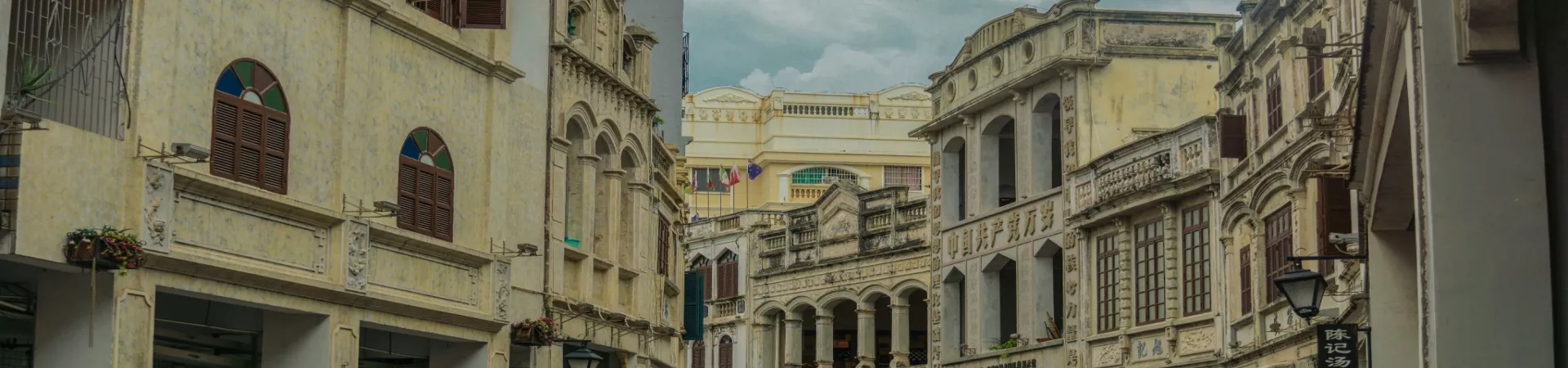
What are Qilou? The defining feature of this historic district is its namesake: the Qilou. These are arcade buildings, characterized by their distinctive two to four-story structures with shopfronts on the ground floor and a covered pedestrian walkway created by the overhanging upper levels. This ingenious design, a fusion of Southern Chinese and European colonial styles, serves a brilliant dual purpose. It provides shelter from the fierce tropical sun and sudden downpours for pedestrians, while creating a continuous, shaded corridor of commerce.
A Legacy of the Nanyang Diaspora The story of these buildings is intrinsically linked to Hainan's history of emigration. In the late 19th and early 20th centuries, many Hainanese ventured to Southeast Asia (the Nanyang region) in search of opportunity. Upon returning to their homeland with wealth and new ideas, these overseas Chinese built these Qilou, inspired by the architectural styles they had encountered in cities like Singapore, Penang, and Bangkok. The result is a unique streetscape where Baroque and Renaissance decorative elements—intricate moldings, relief sculptures, and arched windows—adorn buildings with a distinctly Chinese layout and function. With over 600 such buildings concentrated along streets like Zhongshan Road, XinHua Road, and Changdi Road, the area forms one of the best-preserved and most extensive Qilou architectural ensembles in China, dating back nearly a century.
A Street-by-Street Exploration: Commerce and Culture
Each main thoroughfare within the Qilou district has evolved its own character and specialty, offering visitors a diverse experience as they wander from block to block.
Zhongshan Road: The Cultural and Artistic Lane Once a traditional commercial street, Zhongshan Road has been thoughtfully revitalized. Today, it is the cultural epicenter of the old quarter. The ground-floor arcades now house trendy cafes, art galleries showcasing local and international works, boutique handicraft shops, and stylish souvenir stores. It's the perfect place to take a break with a cup of Hainan coffee, browse unique artworks, and find a meaningful memento. The atmosphere here is more leisurely, geared towards appreciation and relaxation.
Xinhua Road & Deshengsha Road: The Hub of Trade and Daily Life In contrast, Xinhua Road and Deshengsha Road represent the unadulterated, bustling commercial spirit of the district. Deshengsha Road is famously known as Hainan's largest clothing wholesale market. Its arcades are packed with stalls and shops overflowing with garments of every style, a paradise for bargain hunters and a fascinating spectacle of frenetic trade.
Branching off, Xinhua South Road retains a more traditional, everyday feel. Here, you'll find old-school tailor shops where craftsmen work on pedal-operated sewing machines, shops selling affordable clothing and shoes, classic tea houses where locals gather, and an array of small, family-run snack stalls. This street offers an authentic glimpse into the daily rhythms of Haikou residents.
Boa i Road & Environs: Electronics, Sundries, and Street Food Boa i Road completes the commercial tapestry with its focus on electronics, hardware, and a vast assortment of general merchandise. It's a street of practicalities, buzzing with activity. The surrounding alleys and cross-streets are where the district's famous food scene comes alive. From steaming baskets of dim sum and freshly baked pastries to savory noodles and Hainan's specialty snacks like Qingbuliang (a cooling herbal jelly dessert), the aroma of food is ever-present. Exploring these side lanes is crucial for a complete gastronomic adventure.
Essential Visitor Information
Getting There: The most convenient way to reach the Qilou Old Street area is by public bus. Numerous bus routes serve the nearby Zhonglou (Clock Tower) Bus Stop. These include routes 3, 5, 6, 14, 15, 17, 18, 20, 23, 25, 26, 30, 37, 38, 39, 43, 61, 87, K4, and Night Line 3. The iconic Haikou Clock Tower, a landmark in its own right, is a short walk from the entrance to the old streets.
Admission and Hours: One of the great advantages of visiting the Qilou district is that it is an open, public area. There is no admission fee to walk the streets and admire the architecture. The district is open 24 hours a day, every day of the year. However, note that individual shops, cafes, and museums within the area will have their own operating hours, typically from around 9:00 AM to 10:00 PM.
Suggested Duration: To fully appreciate the architecture, explore the different themed streets, enjoy a meal or snack, and do some shopping, plan to spend at least 2 to 3 hours. It is an ideal district for leisurely exploration, where the joy lies as much in the journey as in any specific destination.
Contact: For specific inquiries, you may contact the area's management office at 0898-66108030 or 0898-66200703.
Information last updated: September 2023.