Dongzhaigang Mangrove Nature Reserve
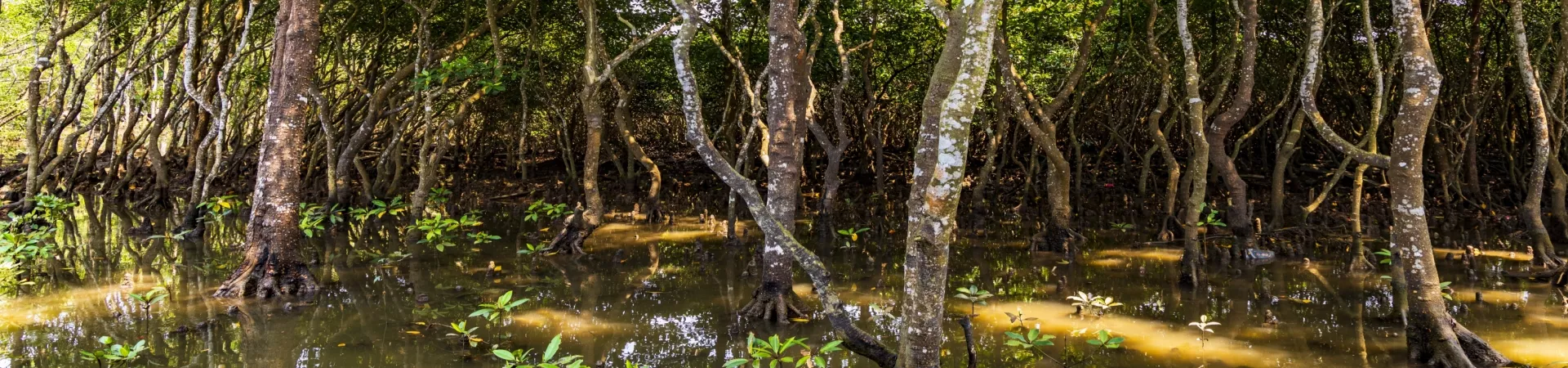
Subtitle: A Journey into the Tidal Heart of Hainan: Dongzhai Port Mangrove Reserve
Introduction: Where Land Meets Sea in a Dance of Life
Approximately 30 kilometers from the bustling heart of Haikou and a mere 12 kilometers from Haikou Meilan International Airport lies a world apart—the Dongzhai Port Mangrove Nature Reserve. Straddling the administrative boundaries of Yanfeng Town, Sanjiang Farm, and Sanjiang Town in Meilan District, and bordering Luodou Farm in Wenchang City, this reserve protects an 84-kilometer stretch of coastline. It holds the distinguished title of being China's very first mangrove nature reserve, a testament to its ecological significance and pioneering role in conservation. More than just a protected area, it is a dynamic, living theater where the rhythms of the tides dictate the daily drama, transforming the landscape into a breathtaking "forest on the sea" and sustaining a rich tapestry of life.
The Phenomenon of the "Floating Forest"
2.1 A Landscape in Flux with the Moon's Pull The most defining and magical spectacle of Dongzhai Port is its transformative relationship with the tide. Unlike many mangrove forests, the topography and hydrology here create a stunning visual phenomenon. During high tide, seawater surges inland, submerging the intricate, low-lying network of mangrove roots and lower trunks. What remains visible are the vibrant, emerald-green canopies of the trees, floating serenely on the water's surface. This creates the illusion of a vast, undulating forest growing directly from the sea—a sight so unique and mesmerizing it has earned the reserve its famous nickname. This daily immersion is not just a visual wonder; it is a crucial ecological process that brings nutrients, disperses propagules, and supports the aquatic food web.
2.2 The Architects of the Coast: Mangrove Species This floating forest is built by resilient mangrove species, such as the Kandelia obovata and Avicennia marina, which have remarkably adapted to saline, waterlogged, and oxygen-poor conditions. Their complex root systems—stilt roots, pneumatophores, and buttresses—are engineering marvels. These roots stabilize the soft coastal mud, trap sediments, and actively build new land, forming a natural, living bulwark against coastal erosion and storm surges. They are the foundational architects of this entire ecosystem.
A Sanctuary for Biodiversity: "Bird Paradise" and "Natural Nursery"
3.1 Avian Haven and Migratory Crossroads The reserve's title as a "Bird Paradise" is richly deserved. The rich resources and varied habitats, from open mudflats to dense forest canopies, provide ideal conditions for over 200 recorded bird species. It is a critical stopover and wintering ground for migratory birds traveling along the East Asian-Australasian Flyway. Here, one might spot elegant egrets and herons wading in the shallows, flocks of swift terns diving for fish, or the striking black-faced spoonbill, a globally endangered species, foraging in the tidal creeks. The air is often filled with their calls, creating a vibrant symphony of life.
3.2 The Cradle of Marine Life Beneath the tidal waters, the mangrove roots create a submerged labyrinth that functions as an unparalleled "natural aquaculture farm." The root structures offer perfect shelter and breeding grounds for countless juvenile fish, crabs, shrimp, and mollusks, protecting them from larger predators. This makes the mangroves an essential nursery for many commercially important seafood species, supporting both ecological balance and local fisheries. The nutrient-rich detritus from fallen leaves forms the base of a prolific food chain, sustaining everything from tiny microorganisms to the birds and humans further up the chain.
Practical Information for the Visit
4.1 Planning Your Exploration To fully experience the reserve's different moods, timing your visit with the tide schedule is highly recommended. The "floating forest" effect is most dramatic at mid to high tide. The reserve is accessible year-round, with the cooler, drier months from November to April being particularly pleasant for outdoor activities. Allocating at least three hours is advisable to enjoy a leisurely walk along the boardwalks, visit observation towers, and simply absorb the serene atmosphere.
4.2 Access, Amenities, and Guidelines * Location & Transport: The reserve spans a wide area across Yanfeng and surrounding towns. While taxis or ride-hailing services from Haikou or the airport are convenient, joining a guided tour or renting a car offers more flexibility to explore. * Operating Hours & Admission: The reserve is open from 09:00 to 17:30, Monday through Sunday, throughout the year. A significant benefit for visitors is that admission is free of charge. * Visitor Conduct: As a fragile ecosystem, it is paramount to follow the principles of "leave no trace." Stay on designated boardwalks and paths to avoid damaging sensitive root systems. Refrain from littering, making loud noises that could disturb wildlife, or attempting to capture or handle any animals. Observing birds and other creatures from a respectful distance ensures their safety and your own. * Contact: For the latest information, you can contact the reserve at 0898-65742966.
A visit to the Dongzhai Port Mangrove Reserve is more than a scenic excursion; it is an immersion into a vital, pulsating ecosystem that demonstrates the profound interconnectedness of land, sea, and sky. It is a place to witness resilience, marvel at natural adaptation, and gain a deeper appreciation for the critical "blue carbon" sinks that are essential for our planet's health.