Longji Terraced Field
A Traveler's Guide to the Dragon's Backbone Rice Terraces
Nestled within the dramatic landscape of Guilin, Guangxi, the Dragon's Backbone Rice Terraces (Longji Titian) stand as one of China's most breathtaking agricultural and cultural marvels. This vast complex of paddies, carved meticulously into the mountain slopes over centuries by the Zhuang and Yao peoples, resembles the scales of a giant dragon basking in the sun, hence its evocative name. More than just a scenic spot, it is a living museum of human perseverance and harmony with nature, offering visitors a profound journey through stunning vistas, rich ethnic traditions, and serene rural life.
Planning Your Visit: Key Information
Before embarking on your adventure, it's essential to have the practical details at hand to ensure a smooth and enjoyable experience.
Getting There: Transportation Options The terraces are accessed via three main village entrances: Ping'an (home to the Ping'an Zhuang Terraces), Dazhai (gateway to the Jin Keng or "Big-Scale" Terraces), and Longji Old Village. Regular bus services connect Guilin city center to each of these entrances. It is advisable to plan your return trip before 15:00 to ensure availability of transport back to the city. For greater flexibility, especially when moving between viewing points within the vast area, the scenic area shuttle bus (ticket: approximately 40 RMB) is a valuable option.
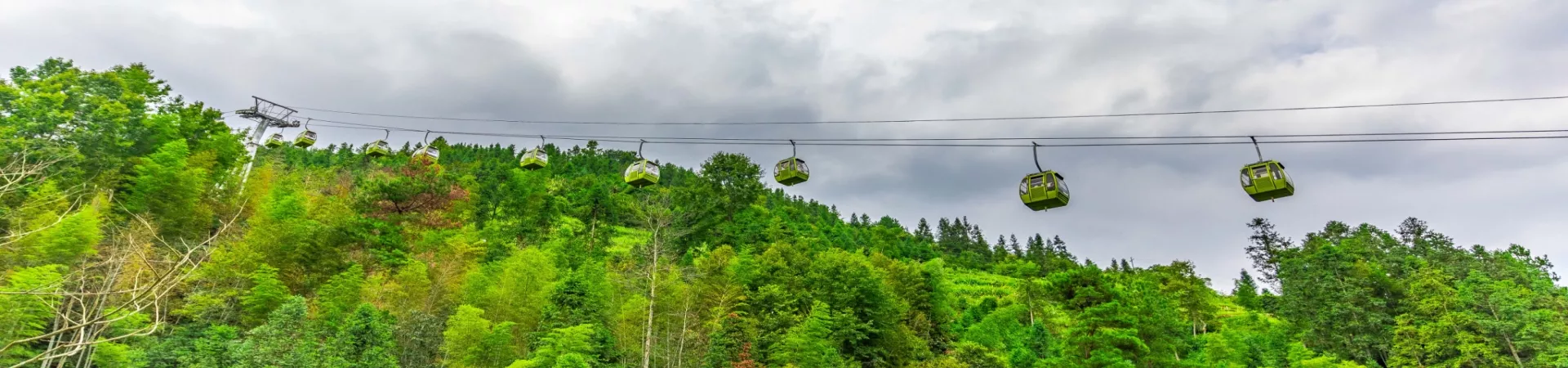
Admission and Fees The general admission ticket is priced around 80 RMB per adult. Discounted rates are available for groups larger than 20 people. Several additional experiences within the area require separate tickets: * Cultural Performance: The Huangluo Yao Village long-hair dance show costs about 80 RMB. * Cable Car: For a panoramic aerial view of the Jin Keng Terraces, a one-way cable car ride is 55 RMB, and a round-trip is 100 RMB.
Discounts and Exemptions The terraces offer concessions for various groups: * Half-price tickets are available for minors aged 6 to 18 and those over 1.2 meters in height. * Free admission is granted to children under 6 or below 1.2 meters (with a guardian), active-duty military personnel, disabled veterans, seniors over 70, and individuals with level-3 or higher disabilities (valid ID required). * Please note: All information is for reference, and current prices and policies should be confirmed at the ticket office on the day of your visit.
Opening Hours The terraces are accessible to visitors 24 hours a day, year-round. This allows for the magical experience of witnessing both sunrise and sunset over the shimmering paddies.
Suggested Duration To truly appreciate the scale and beauty, a minimum of 3-4 hours is recommended. Many visitors opt for a full-day or even an overnight stay to immerse themselves fully in the environment.
Contact Information For inquiries, you can contact the scenic area at: 0773-7583188 or 0773-7583088.
Exploring the Three Major Terrace Sections
The Dragon's Backbone is divided into three primary sections, each with its own unique character and appeal.
Jin Keng (Big-Scale) Terraces This is the largest and most expansive section, known for its sweeping, grand-scale vistas. The terraces here are steeper and form immense, coiling patterns around the mountains. It is a favorite among photography enthusiasts, particularly for its spectacular sunrise views from spots like "Golden Buddha Peak" (Jinfoding). The cable car to the summit provides an effortless way to enjoy the panorama. The villages here are primarily inhabited by the Red Yao people.
Ping'an Zhuang Terraces Often considered the most iconic and accessible section, the Ping'an Terraces feature the famous "Seven Stars Around the Moon" and "Nine Dragons and Five Tigers" formations—terrace layouts named after their resemblance to these poetic images. The paths here are well-trodden, and the views from the "Moon Village" (Yuejie) are postcard-perfect. This area is centered around Ping'an Village, a Zhuang community offering numerous guesthouses and viewpoints.
Longji Old Zhuang Village Terraces This area offers a more historical and tranquil experience. It is the oldest part of the terrace system, with a history spanning over 700 years. The atmosphere is less commercialized, allowing visitors to observe traditional Zhuang wooden stilt houses (Diaojiaolou) and a slower pace of agricultural life up close.
Immersive Experiences: Beyond the Views
While the visual spectacle is the primary draw, the true essence of Longji lies in engaging with its living culture and rhythms.
Hiking and Photography Exploring on foot is the best way to connect with the landscape. Well-marked stone paths connect villages and viewpoints, leading you through bamboo forests, past flowing streams, and right alongside the terraced fields. Each season paints the terraces differently: water-filled and mirror-like in spring, emerald green in summer, golden with ripe rice in autumn, and occasionally dusted with frost or snow in winter. Sunrise and sunset are universally acclaimed as the most magical times for photography.
Ethnic Culture and Villages The terraces are dotted with traditional villages of the Zhuang and Yao ethnic groups. Interacting with the local communities is a highlight. The Red Yao women are renowned for their extraordinarily long hair, which is seen as a symbol of luck and beauty. A visit to Huangluo Yao Village provides insight into this tradition.
The "Clothes Airing Festival" If your visit coincides with early summer (typically around the 6th day of the 6th lunar month), you might witness the unique Red Yao "Clothes Airing Festival." On this day, households hang their intricately embroidered traditional garments and skirts out in the sun, transforming the village into a dazzling tapestry of vibrant colors and exquisite craftsmanship—a truly unforgettable cultural spectacle.
Local Cuisine Completing your visit with a meal at a local farmer's restaurant is a must. Savor dishes prepared with fresh, organic ingredients from the mountains, such as bamboo-tube rice, stir-fried wild vegetables, smoked bacon, and locally brewed rice wine. Dining often comes with warm hospitality and stunning terrace views.
In essence, a trip to the Dragon's Backbone Rice Terraces is a multisensory journey. It is where breathtaking natural artistry meets enduring human tradition, inviting travelers to step into a landscape that is both awe-inspiring and intimately connected to the lives that sustain it.