Jinkeng Terraced Fields
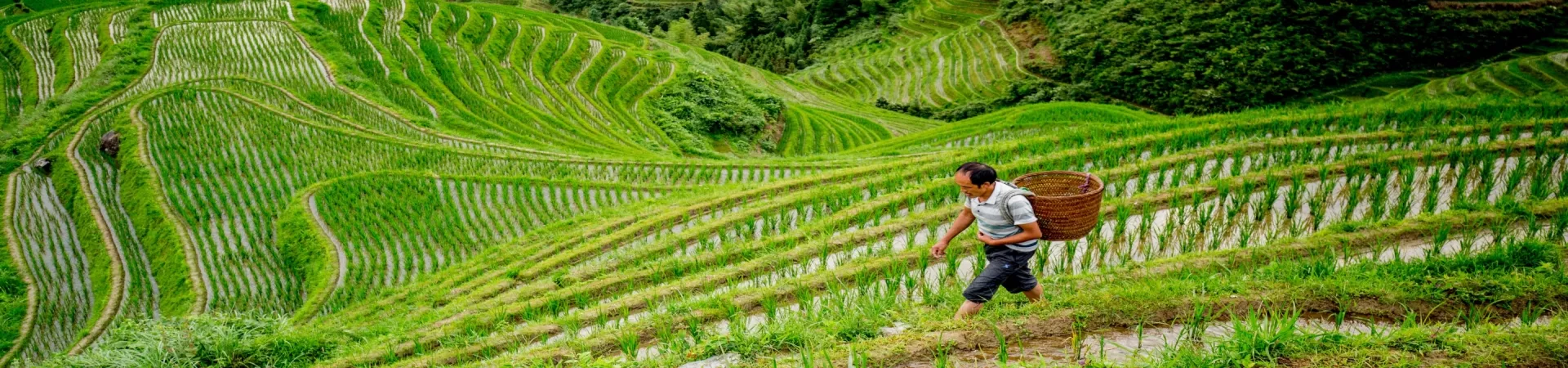
Subtitle: A Guide to the Grandeur and Culture of Jin Keng Terraced Fields
Introduction: A Landscape Shaped by Nature and the Hong Yao People
Nestled within the iconic Longji (Dragon's Backbone) Terraced Fields of Guangxi, the Jin Keng Terraced Fields represent one of the most spectacular and culturally immersive sections of this vast agricultural masterpiece. Unlike some more developed areas, Jin Keng offers a profound sense of authenticity and awe-inspiring scale. Its name, meaning "Gold Pit," is evocative of its geography—a colossal, bowl-shaped mountain basin that resembles a natural sinkhole, its slopes entirely sculpted into sweeping ribbons of paddies that cascade from the misty mountain ridges down into the valley floor. This breathtaking landscape, harmoniously integrated with the traditional villages of the Hong Yao ethnic minority, earned Jin Keng the distinguished title of "China's Classic Village Landscape" in 2007. For travelers seeking more than just a photo opportunity, for those drawn to majestic scenery interwoven with living culture and a quieter pace, Jin Keng is an essential destination.
I. The Cultural Heart: Hong Yao Villages and Traditions
The terraces are not merely an agricultural feat; they are the lifeblood of a community. Jin Keng is comprised of five primary hamlets: Dazhai (Big Village), Tiantouzhai, Zhuangjiejie, Xinzhai (New Village), and Xiaozhai (Small Village). These are traditional settlements of the Hong Yao branch of the Yao ethnic group, whose name derives from the distinctive red embroidery that adorns their traditional clothing.
- A. The Legacy of Long Hair: Among the Hong Yao, a woman's hair is considered a sacred treasure, a symbol of longevity, prosperity, and family honor. It is customary for women to grow their hair exceptionally long, often over a meter in length, and only cut it once in their lifetime as a rite of passage. You will see them skillfully coiling their glossy, black hair into impressive turbans atop their heads. This remarkable "long hair culture" is a living tradition and constitutes one of the most captivating cultural sights in Jin Keng.
- B. Preserved Authenticity: Due to its relatively later development for tourism compared to other parts of Longji, Jin Keng retains a more genuine, less commercial atmosphere. While guesthouses and home-stays are available, providing crucial income for locals, the essence of daily life—farmers tending to their fields, villagers going about their routines, the sounds of the mountain—remains predominant. This authenticity is precisely why it is highly recommended by photography enthusiasts and independent travelers.
II. Navigating the Terrain: Key Viewpoints and Travel Logistics
The grandeur of Jin Keng is best appreciated from its three primary, strategically located viewing platforms. They form a rough semi-circle around the basin, and moving between them involves traversing mountain paths and trails through the villages and terraces themselves.
A. The Three Iconic Viewpoints:
- 1. Xishan Shaole (West Mountain Music): Perched at a high elevation, this viewpoint offers perhaps the most magnificent panoramic vista. It is the premier location to witness the sunrise, as the first rays of light spill over the distant peaks and gradually illuminate the entire sea of terraces below, creating a dynamic play of light, shadow, and mist.
- 2. Qianceng Tianti (Thousand-Layer Ladder to Heaven): This site provides a more intimate perspective on the terraces' architectural precision. The view focuses on incredibly dense, narrow bands of paddies that climb steeply up the slopes, resembling a colossal staircase meticulously built to reach the sky. The patterns here are exceptionally graphic and detailed.
- 3. Jinfoding (Golden Buddha Summit): This is the highest viewpoint in Jin Keng and the only one accessible by cable car (from the vicinity of Dazhai). It promises a commanding, bird's-eye view of the entire golden pit. It is also a popular spot for sunset, offering a different color palette as the day ends. The cable car provides an alternative for those who wish to avoid the strenuous hike up.
B. Practical Movement and Considerations: It is important to note that the distances between these viewpoints are not trivial. Traveling on foot from one to another typically requires at least 30 minutes to over an hour of walking along mountain trails, stone paths, and village alleys. The paths can be steep, slippery, or uneven. Therefore, sturdy, comfortable walking shoes are an absolute necessity. Allocate sufficient time for exploration and hiking. Many visitors choose to stay overnight in one of the village guesthouses to explore at leisure and experience both sunrise and sunset.
III. Essential Visitor Information
- Admission: There is no separate ticket for Jin Keng Terraced Fields. Access is covered by the general entrance ticket to the Longji Terraced Fields Scenic Area. It is advisable to purchase your ticket at the main scenic area entrance.
- Opening Hours: The terraced fields and villages are accessible 24 hours a day. However, ticket checkpoints at the scenic area entrance operate during daylight hours. Guesthouses within can arrange for entry if arriving late.
- Recommended Time Allocation: A minimum of one full day is highly recommended to experience Jin Keng properly. An overnight stay (1-2 nights) is ideal to fully appreciate the changing light, undertake hikes between viewpoints without rush, and soak in the tranquil atmosphere after day-trippers have departed.
- Contact: For general inquiries, you may contact the scenic area management at: +86 773 758 3188.
(Information last updated: January 2023. Credit to contributor: Changjing Xiaolu.)