Jingjiang Prince's Mansion
Subtitle: A Journey Through Time: Exploring the Princely Legacy and Natural Beauty of Jingjiang Prince City
1. Introduction: A Portal to Ming Dynasty Splendor Nestled in the heart of Guilin, a city famed for its ethereal karst landscapes, lies a monument of a different kind—one of history, power, and architectural grandeur. The Jingjiang Prince City, often integrated into the visit to the Solitary Beauty Peak (Duxiu Feng) scenic area, stands as a remarkably well-preserved relic from China's Ming Dynasty. More than just a collection of ancient buildings, it is a tangible narrative of imperial clan life, regional governance, and the profound cultural interplay between human artistry and natural beauty. This complex offers visitors a unique dual experience: exploring the solemn elegance of a feudal prince's residence and ascending the iconic peak that has inspired poets for centuries, all within a single, historically rich enclosure.
2. Historical Significance and Architectural Layout 2.1. Origins and Royal Inhabitants The story of Jingjiang Prince City begins in the late 14th century, during the reign of the Hongwu Emperor, Zhu Yuanzhang, founder of the Ming Dynasty. Established as the official residence and administrative seat for Zhu Shouqian, the emperor's grandnephew, it served as the palace for the Prince of Jingjiang. For nearly 280 years, across fourteen generations of princes, this walled city was the political and cultural center of Guangxi, representing the Ming court's authority in the southern frontier.
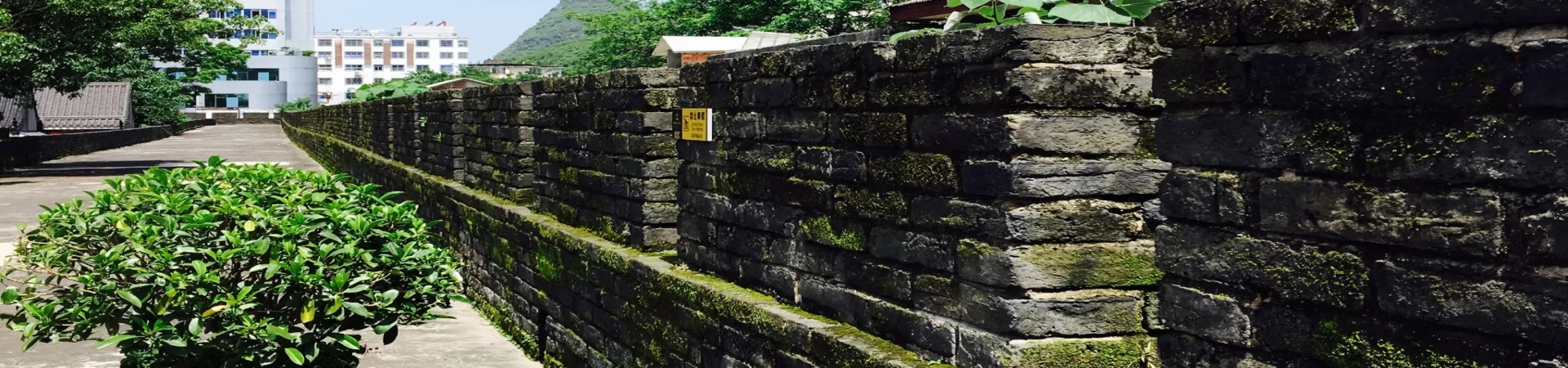
2.2. Architectural Preservation and Key Features Regarded as one of the best-preserved Ming-era princely mansions in China, the complex provides an authentic glimpse into royal architecture and planning. * The Imposing City Wall: Encircling the princely domain is the exceptionally intact Ming Dynasty city wall. Its robust structure, featuring traditional battlements and gates, immediately transports visitors back in time and underscores the defensive and symbolic importance of the prince's seat. * The Royal Path ("Wang Dao"): Within the palace grounds, one of the most evocative features is the "Wang Dao" or "King's Way." This dedicated pathway, paved with smooth bluestone slabs, was reserved exclusively for the prince, his consort, and their immediate retinue. Lined with meticulously maintained floral arrangements, it paints a vivid picture of the ceremony and refined aesthetics that governed daily life within these walls. Walking this path allows one to tread literally in the footsteps of Ming Dynasty royalty.
3. The Cultural Heart: Solitary Beauty Peak and Its Inscription 3.1. The Iconic Peak Within the Walls The architectural narrative of the Prince City is magnificently complemented by a natural masterpiece—Solitary Beauty Peak. Rising abruptly and elegantly behind the palace structures, this limestone pinnacle is a quintessential example of Guilin's karst topography. Its location within the royal grounds made it a private garden peak for the princes, a place for contemplation and enjoyment of the landscape.
3.2. The Source of a Famous Phrase The cultural significance of Solitary Beauty Peak transcends its beauty. On its rock face is carved a celebrated piece of Chinese literary heritage. The inscription, dating from the Song Dynasty, includes the line "Guilin's scenery is the finest under heaven." This poetic endorsement has become synonymous with Guilin itself, and witnessing its source adds a layer of profound cultural connection to the visit. The climb to the peak's summit, though moderately challenging, is rewarded with a breathtaking panoramic view of modern Guilin sprawling against a backdrop of endless green peaks, creating a powerful juxtaposition of history and nature.
4. Practical Visitor Information 4.1. Tickets and Operating Hours Access to the Jingjiang Prince City is included within the ticket for the integrated Solitary Beauty Peak Prince City Scenic Area. Visitors should budget approximately 1 to 3 hours for a comprehensive exploration of both the historical buildings and the natural attraction. * Ticket Prices: A tiered pricing system is in effect. Standard adult tickets are priced around 100 RMB. Concessions are available, with discounted tickets for students typically around 50 RMB. There are also ticket options for seniors. It is advisable to check for the latest official prices before your visit. * Opening Hours: The scenic area is generally open daily from 8:30 AM to 6:00 PM. Last admission is typically one hour before closing.
4.2. Navigating the Experience To fully appreciate the site, it is recommended to first explore the historical structures of the Prince City—the gates, courtyards, halls (some of which now house exhibitions on Ming history and the imperial examination system), the Royal Path, and sections of the ancient wall. This sets the historical context before embarking on the climb up Solitary Beauty Peak, which serves as a fitting climax to the visit. Comfortable walking shoes are essential due to the stone paving and the ascent up the peak. Engaging a knowledgeable guide or making use of informational plaques can greatly enhance understanding of the site's rich historical layers.