Tropic of Cancer Symbol Park
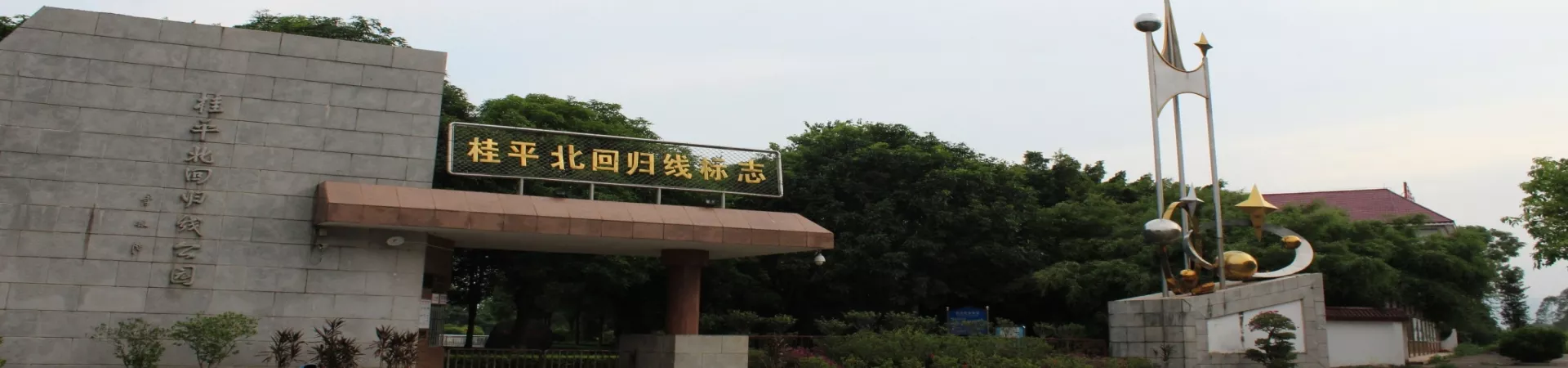
Subtitle: A Journey to the Tropic of Cancer: Exploring Guigang's Unique Geographic Landmark
Introduction: Where Science Meets Scenery
Nestled within the city of Guigang, in China's Guangxi Zhuang Autonomous Region, lies a park dedicated not just to leisure, but to a fundamental line of our planet: the Tropic of Cancer. The Guigang Tropic of Cancer Marker Park is a fascinating destination that blends geographic education, cultural exploration, and serene natural beauty. It serves as a tangible point of connection to the invisible latitudinal line that marks the sun's northernmost zenith, offering visitors a unique opportunity to literally stand on one of Earth's most significant astronomical boundaries. More than just a monument, the park provides a thoughtful space to contemplate the intricate relationship between our planet, the sun, and the rhythms of nature.
1. The Heart of the Park: Understanding the Tropic of Cancer
1.1. The Significance of the Line The Tropic of Cancer, located at approximately 23.5 degrees north latitude, is one of the five major circles of latitude that mark maps of the Earth. It defines the northernmost point where the sun can appear directly overhead at noon, an event that occurs during the June solstice. This astronomical phenomenon has profound effects on climate, ecology, and even cultural traditions in the regions it passes through. The park's primary purpose is to commemorate and educate the public about this important geographic and celestial feature.
1.2. The Central Monument The park's centerpiece is, undoubtedly, the Tropic of Cancer marker itself. This is often an impressive sculptural or architectural structure, typically designed with precise scientific alignment. Visitors are encouraged to seek out the specific line etched on the ground or represented by the monument. A popular and symbolic activity is to stand with one foot in the tropical zone (south of the line) and the other in the subtropical zone (north of the line), capturing a memorable photograph at this crossroads of global climates.
2. Planning Your Visit: Practical Information
2.1. Admission Fees The park maintains an affordable fee structure to ensure broad accessibility: * General Admission: 10 RMB per person. * Student Ticket: 5 RMB per person (with valid student identification). * Free Admission: Active military personnel and individuals with disabilities (with appropriate documentation).
2.2. Operating Hours The park is open daily throughout the year. * Opening Hours: 08:00 - 17:30. * Last Admission: 17:30. Visitors are advised to arrive with sufficient time to enjoy the park before closing.
(Information last updated: May 8, 2023.)
3. Experiencing the Park: Features and Activities
3.1. Educational Exhibits and Displays Beyond the main marker, the park often features supplementary educational exhibits. These may include informative plaques explaining astronomy, geography, and the local environmental impact of the Tropic of Cancer. Solar-themed instruments or models might be present to demonstrate the principles of Earth's rotation and revolution in an engaging, hands-on manner.
3.2. Landscaped Gardens and Walking Paths The park is designed to be a pleasant green space. Well-maintained gardens, shaded walking paths, and peaceful resting areas invite visitors to stroll and relax. The landscaping often incorporates native plant species, some of which may be characteristic of the subtropical climate north of the line or the tropical climate to the south, providing a living illustration of the Tropic's influence.
3.3. Cultural and Local Context While focusing on a global geographic feature, the park may also incorporate elements of local Guigang or Guangxi culture. This connection highlights how universal scientific facts intersect with regional identity, history, and traditions. The design of the monument or surrounding structures might reflect local architectural motifs or symbolic artistry.
4. Making the Most of Your Trip
4.1. Best Time to Visit Clear, sunny days are ideal for visiting, as they enhance the experience of the solar-themed site and provide the best conditions for photography. The days around the summer solstice (late June) hold special significance, as the sun is at its highest point relative to the marker. However, the park offers a tranquil and educational experience in any season.
4.2. What to Bring Visitors should come prepared with sun protection (hat, sunscreen) during summer months, comfortable walking shoes, and a camera. Carrying drinking water is also recommended. For those interested in the deeper scientific aspects, a basic guide to astronomy or geography could enrich the self-guided tour.
4.3. Combining Your Itinerary A visit to the Tropic of Cancer Marker Park can be conveniently combined with other attractions in and around Guigang. Consider exploring local temples, historical sites, or natural scenic areas to create a fuller day of discovery. The park serves as a unique thematic anchor—a place of quiet learning and reflection amidst a broader travel adventure in this part of Guangxi.
In essence, the Guigang Tropic of Cancer Marker Park is a destination for the curious mind. It transforms an abstract line on a map into a physical location for exploration, learning, and a moment of connection with the grand scale of our planet's place in the solar system. It is a subtle yet profound reminder of the natural forces that shape our world.