East Tower
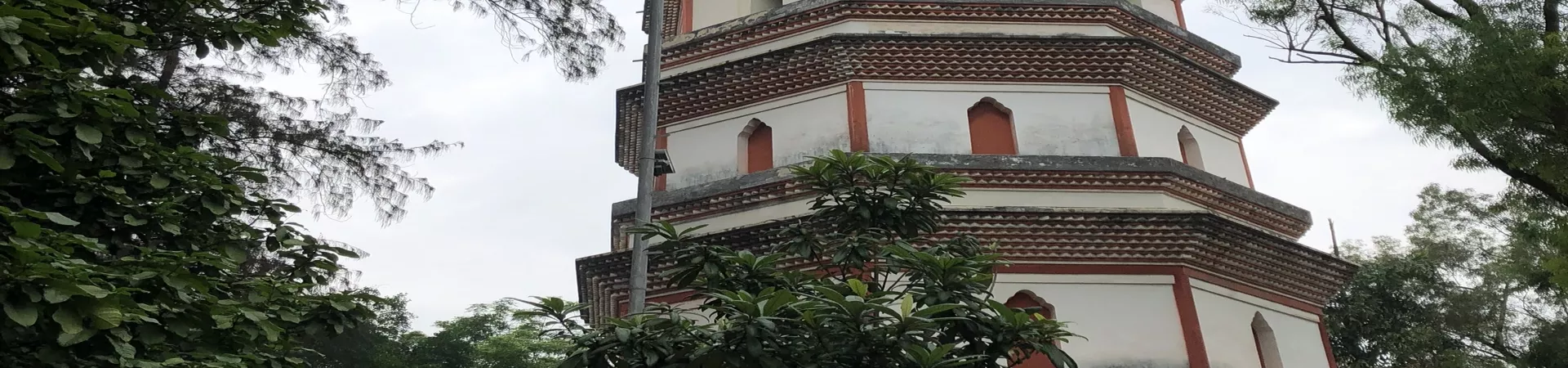
Subtitle: A Journey Through Time: Unveiling the Mysteries of Guigang's East Pagoda
1. Introduction: The Silent Sentinel of Guigang
Rising gracefully against the skyline of Guigang, a prefecture-level city in the Guangxi Zhuang Autonomous Region, stands the East Pagoda (Dong Ta), a structure that embodies resilience, architectural ingenuity, and centuries of silent observation. More than just a brick-and-tile monument, it is the enduring symbol of Guigang, a city historically known as "Yuzhou." For travelers venturing beyond Guangxi's famed karst landscapes, the East Pagoda offers a profound cultural anchor, a chance to connect with the spiritual and historical layers of this part of southern China. Unlike many ancient structures restored to pristine condition, the East Pagoda carries its age with a dignified, almost tangible presence, its weathered facade telling stories of dynastic changes, natural challenges, and unwavering local reverence.
2. Historical Context & Legendary Origins
2.1. Foundations in the Tang Dynasty The pagoda's story begins in the Tang Dynasty (618-907 AD), a golden age of Chinese culture and Buddhism's flourishing. Historical records suggest its initial construction period falls between 817 and 821 AD, during the reign of Emperor Xianzong. This places its origins in an era of significant religious and architectural patronage, intended as a spiritual beacon to bless the land and its people.
2.2. The Legend of the Iron Coffin Adding a layer of mystique to its history is a captivating local legend. It is said that during the original construction, workers discovered an ancient iron coffin buried at the chosen site. Rather than relocating, this was interpreted as a powerful, perhaps divine, sign. The decision was made to build the pagoda directly over this mysterious relic, anchoring the structure in a narrative that blends earthly endeavor with otherworldly providence. This tale has been passed down through generations, fueling the pagoda's aura as a place of unique spiritual significance.
2.3. A Testament to Resilience: The Song Dynasty Reconstruction The pagoda standing today is not the original Tang structure. It was rebuilt during the Northern Song Dynasty, between 1053 and 1068 AD. The reason for this reconstruction remains a subject of historical discussion, likely due to the collapse or severe damage of the earlier pagoda, possibly from an earthquake—a not uncommon fate for tall, ancient structures in the region. This Song-era incarnation is a testament to the site's enduring importance; its destruction did not diminish its value but prompted a community to rebuild, preserving its sacred function for future generations.
3. Architectural Marvel & Defiant Design
3.1. Soaring Against Convention The East Pagoda is an exemplary model of a hollow, pavilion-style brick pagoda. It soars to approximately 50 meters (164 feet), an imposing height that dominates the surrounding urban landscape. Its most striking and unconventional feature is its pronounced lean. With a tilt of approximately 1.3 meters (over 4 feet) from its central axis, it is often referred to as the "Leaning Tower of Guigang." This tilt was not an original design choice but is the result of geological shifts and foundation settlement over centuries.
3.2. Engineering Ingenuity in Brickwork Despite its precarious appearance, the pagoda is a masterpiece of ancient engineering. Built primarily with blue bricks and using an archaic yellow clay as mortar, its structure demonstrates sophisticated techniques. The internal walls feature a spiraling ramp that once allowed visitors to ascend to the higher levels, a design detail for both maintenance and ceremonial purposes. The eaves of each of its eight sides are elegantly upturned, and while many of the original decorative elements like corner bells have been lost to time, the clean, geometric lines of the brickwork retain a powerful aesthetic.
3.3. The Unshakeable Foundation The most critical aspect of its architecture is its foundation. Perched on a natural granite outcrop, the builders ingeniously used a layered foundation of pine logs. This "raft" of wood, submerged in the high-water-table soil, has provided a flexible yet stable base that has allowed the pagoda to sway and settle without catastrophic collapse, much like modern seismic isolation principles. This ancient solution is the primary reason the East Pagoda has defied gravity for nearly a millennium.
4. The Visitor Experience & Cultural Significance
4.1. A Site of Active Reverence Visiting the East Pagoda is not merely a historical tour; it is an immersion into living culture. The pagoda is situated within a tranquil temple complex, where the scent of incense permeates the air. It remains an active site of Buddhist worship and local folk religion. Visitors may observe devotees making offerings, praying for good fortune, or simply paying their respects to this ancient guardian of the city. This ongoing spiritual life adds a vibrant, human dimension to the ancient stones.
4.2. Panoramic Perspectives While interior access to the upper floors is typically restricted for preservation and safety reasons, the grounds offer magnificent views. Circling the pagoda allows one to fully appreciate its dramatic lean from different angles. The contrast between the ancient, weathered tower and the modern city growing around it creates a poignant dialogue between past and present. The surrounding garden and temple buildings provide peaceful spots for contemplation.
4.3. Symbol of Identity For the people of Guigang, the East Pagoda is an indelible part of their identity. It features prominently in local iconography, literature, and civic pride. It has witnessed the transformation of a regional town into a modern city, surviving wars, natural disasters, and the relentless passage of time. Its lean is not seen as a flaw but as a mark of character—a symbol of resilience, of standing strong despite pressure and change. It represents a collective memory and a physical link to ancestors who built, rebuilt, and cherished it.
4.4. Practical Information for the Traveler The East Pagoda is centrally located in Guigang and is easily accessible. The site is generally open to the public daily, with a small admission fee contributing to its maintenance. The best light for photography is often in the early morning or late afternoon, when the sun highlights the texture of the bricks and casts long shadows. As with any active religious site, visitors are encouraged to dress modestly and behave respectfully, observing the rituals quietly. Combining a visit here with exploration of Guigang's local markets, such as those offering its famous lotus seed products, makes for a rich cultural day trip.