Datengxia Scenic Area
Subtitle: A Journey Through Time and Torrent: Unveiling the Majesty of Guangxi's Datengxia Gorge
1. Introduction: The Legendary Gateway Nestled approximately 8 kilometers northwest of Guiping's urban center, where the mighty Qian River carves its path, lies the Datengxia Gorge. This is not merely a geographical feature; it is the largest and longest canyon in Guangxi, a place where myth, tumultuous history, and raw natural power converge into an awe-inspiring spectacle. Its very name, "Datengxia" or "Great Vine Gorge," originates from an ancient legend. Folklore tells of a massive, barrel-thick vine that once spanned the turbulent river, mysteriously submerging by day and rising to the surface at night, providing a perilous bridge for those daring enough to cross. This ethereal image sets the stage for a landscape that has captivated and challenged humans for centuries.
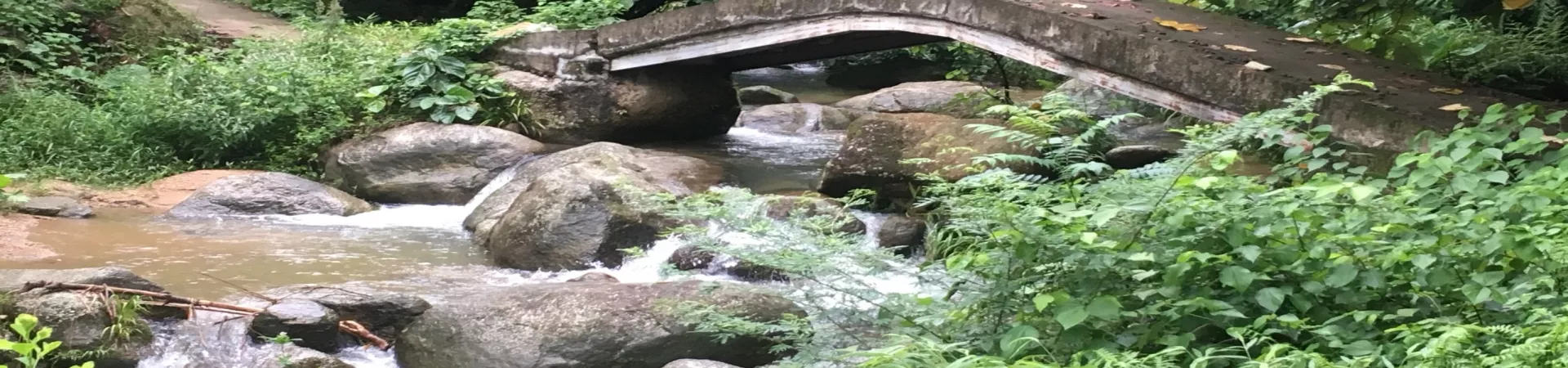
2. The Realm of Nature's Fury and Grandeur 2.1. A Landscape Sculpted by Water To navigate Datengxia is to witness the untamed force of nature. The gorge presents a dramatic symphony of hydrological power. The river channel twists and turns unpredictably, its flow swift and relentless. The water, perpetually agitated, churns into giant waves and boils with dangerous undercurrents, its thunderous roar echoing off the canyon walls—a constant, formidable reminder of the river's primal strength.
2.2. Challenges of the Riverbed This surface tumult is matched by the hidden dangers below. The riverbed is a treacherous maze of dense shoals, submerged reefs, and sudden shallows, posing a historic navigational nightmare for any vessel. These natural barriers have shaped both the geography and the human story of the gorge, making passage a feat of skill and courage.
2.3. Sentinels of Stone Framing this aquatic theater are the gorge's cliffs and crags. Sheer, towering rock faces rise dramatically from the water's edge, adorned with oddly shaped, precipitous boulders that seem to defy gravity. These geological sentinels, worn by time and water, contribute to the gorge's imposing and majestic atmosphere, creating a sense of profound scale and ancient permanence.
3. A Crucible of History: From Rebellion to Royal Decree 3.1. The Strategic Stronghold The very attributes that define Datengxia's natural beauty—its height and strategic defensibility—also destined it to be a focal point of conflict. Throughout history, control of this choke point on the Qian River was of paramount military importance, making it a coveted and fiercely contested territory.
3.2. The Epic Yao People's Uprising The gorge's most profound historical chapter was written during the Ming Dynasty. It was here that the extensive and resilient Datengxia Yao People's Uprising erupted. Beginning around 1375, the rebellion spanned over two centuries, representing a prolonged struggle for autonomy against the imperial Ming court. The dynasty repeatedly deployed significant forces in efforts to quell the uprising, underscoring the rebellion's scale and the gorge's role as a rebel stronghold.
3.3. Imperial Rebranding and Enduring Marks In a symbolic attempt to break the spirit of the resistance, the Ming government officially renamed the gorge "Duantengxia," meaning "Severed Vine Gorge." Later, it was changed again to "Yongtongxia," or "Forever Open Gorge," reflecting a desire for unimpeded control. This imperial decree was literally carved into the landscape; visitors can still find the cliff-side inscription "敕赐永通峡" (Chì cì Yǒngtōng Xiá), bestowed by the Ming emperor. This stone testament offers a tangible link to the era's political struggles.
4. Through the Eyes of Explorers and Leaders 4.1. The Traveler's Account The gorge's fame extended beyond soldiers and rebels. The renowned Ming Dynasty travel writer and geographer, Xu Xiake, included Datengxia in his extensive journeys. He navigated its waters by boat and documented his observations, providing one of the earliest detailed travelogues of the site through the eyes of a scholarly explorer.
4.2. A Modern Endorsement Centuries later, Datengxia captured the attention of modern China's founding figure, Chairman Mao Zedong. In the spring of 1974, Mao, who possessed a deep knowledge of Chinese peasant revolt history, inquired meticulously about the gorge and its historic uprising. His personal interest was culminating in him inscribing the three characters "大藤峡" (Datengxia) in his own calligraphy, an endorsement that further cemented the site's significance in both natural and historical terms.
5. Practical Information for the Contemporary Visitor 5.1. Visiting Hours and Admission For those planning to experience Datengxia Gorge today, the site is generally open to visitors from 8:00 AM to 5:00 PM daily. The last admission is typically at 5:00 PM. It is advisable to verify any seasonal changes before your visit. Admission is ticketed, with a standard gate price around 85 RMB.
5.2. Planning Your Visit Prospective visitors can contact the scenic area for the most current information at 0775-3501177. When planning a trip, consider the river's seasonal conditions, as water levels and flow can significantly affect the experience and accessibility of certain views or boat tours. The combination of stunning scenery, a palpable sense of history, and the enduring legends makes Datengxia Gorge a compelling destination for those seeking to understand the powerful interplay between nature and human endeavor in Guangxi.
Information last updated: December 16, 2022. Credit and thanks to contributor Bryant_faith for editorial input.