Sun Yat-sen University
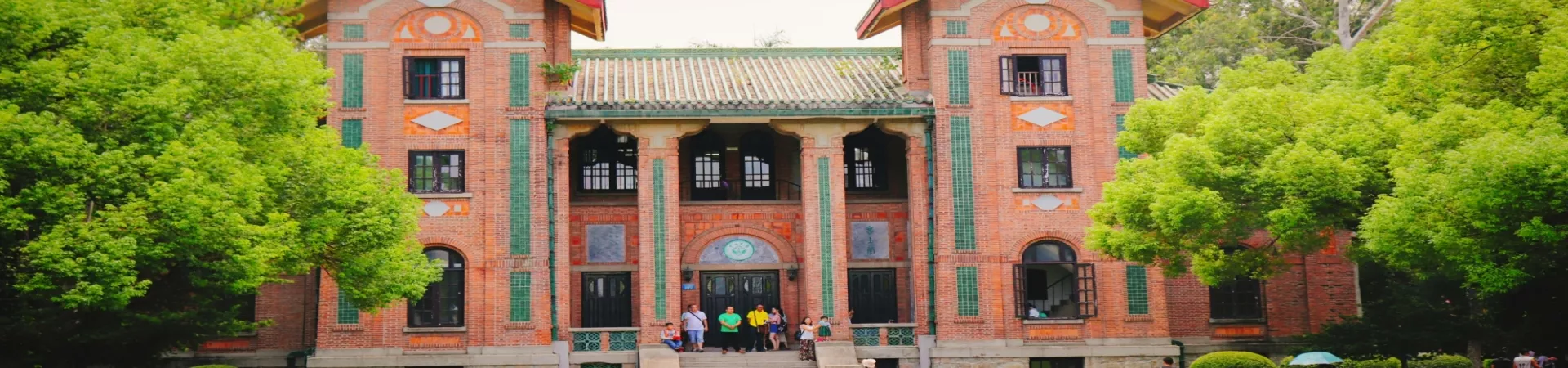
A Visitor's Guide to Sun Yat-sen University (Guangzhou)
Nestled in the vibrant city of Guangzhou, Sun Yat-sen University (SYSU) stands as a premier institution of higher learning and a site of profound historical and cultural significance. Founded in 1924 by Dr. Sun Yat-sen, the great forerunner of the Chinese democratic revolution, the university has cultivated a rich academic atmosphere that has deeply influenced national rejuvenation and social development. For visitors, it offers a unique blend of intellectual heritage, stunning historical architecture, and tranquil green spaces, providing a serene escape from the urban bustle.
Primary Campuses and Visitor Focus Sun Yat-sen University comprises four main campuses in Guangzhou: the South, North, East, and Zhuhai campuses. The most frequented and visually captivating for tourists is the South Campus, located in the Haizhu District. This site holds a special historical layer, as it was originally the campus of the former Lingnan University. This heritage is immediately apparent in its charming and distinctive architectural style.
Architectural Heritage of the South Campus The defining feature of the South Campus is its collection of elegant, vintage red-brick buildings. These structures, with their arched doorways, pitched roofs, and colonial-era influences, exude a timeless and scholarly charm. Wandering among these buildings, under the shade of ancient banyan trees, transports visitors to an era of classical academic pursuit. The harmonious blend of architecture and lush landscaping makes the campus a photographer's paradise and a peaceful retreat.
Key Monuments and Cultural Symbols Several specific landmarks within the South Campus encapsulate the spirit of SYSU and are essential stops on any visit.
- The Cross-Inscription and Leung Kau Kui Hall: Near the historic Leung Kau Kui Hall, visitors will find a small but iconic Clock Tower. On the lawn in front of this tower stands a stone monument engraved with the university's ten-word motto, a legacy from Dr. Sun Yat-sen himself: "Study Extensively, Inquire Accurately, Reflect Carefully, Discriminate Clearly, Practice Earnestly." This motto, a guiding principle for generations of students, is a core element of the university's identity.
- Yongfang Hall and the Bronze Statues: Another significant site is the Yongfang Hall. On the square in front of this building stands a powerful and thought-provoking ensemble of 18 bronze statues. These figures represent 18 influential personalities from modern Chinese history who were either native to Guangdong or had deep connections to the province. The group includes Dr. Sun Yat-sen, the philosopher and reformer Wei Yuan, and other notable revolutionaries, scholars, and thinkers. This collection serves as a tangible connection to the region's pivotal role in shaping modern China.
Practical Information for Visitors
Getting There: The South Campus is conveniently accessible by public transport. Visitors can take Guangzhou city buses 53, 69, 93, or 188 and alight at the Kanglecun Station (康乐村站). From the bus stop, the main gates of the campus are within a short and easy walking distance.
Admission: Access to the Sun Yat-sen University campus is free of charge for visitors. There is no ticket required to enter and explore the public areas, gardens, and exterior views of the historical buildings.
Opening Hours: The campus is generally open to visitors daily from 9:00 AM to 6:00 PM. It is advisable to plan your visit within these hours to fully enjoy the ambiance and landmarks. While the outdoor areas are accessible, please note that access to internal academic buildings and facilities may be restricted.
Suggested Duration: A comprehensive visit to explore the red-brick architecture, locate the key monuments like the Clock Tower and the Bronze Statues, and enjoy a leisurely stroll through the scenic grounds typically requires 1 to 3 hours. This allows for a paced, enjoyable experience without feeling rushed.
A trip to Sun Yat-sen University's South Campus is more than just a walk through a university; it is an immersion into a chapter of China's educational and modern history. It's an opportunity to appreciate beautiful heritage architecture, contemplate the ideals of one of China's most significant figures, and understand the intellectual roots of a region known for its pioneering spirit. Remember to be respectful of the academic environment during your visit, as students and faculty use the grounds for their daily work and study.