Shameen Island
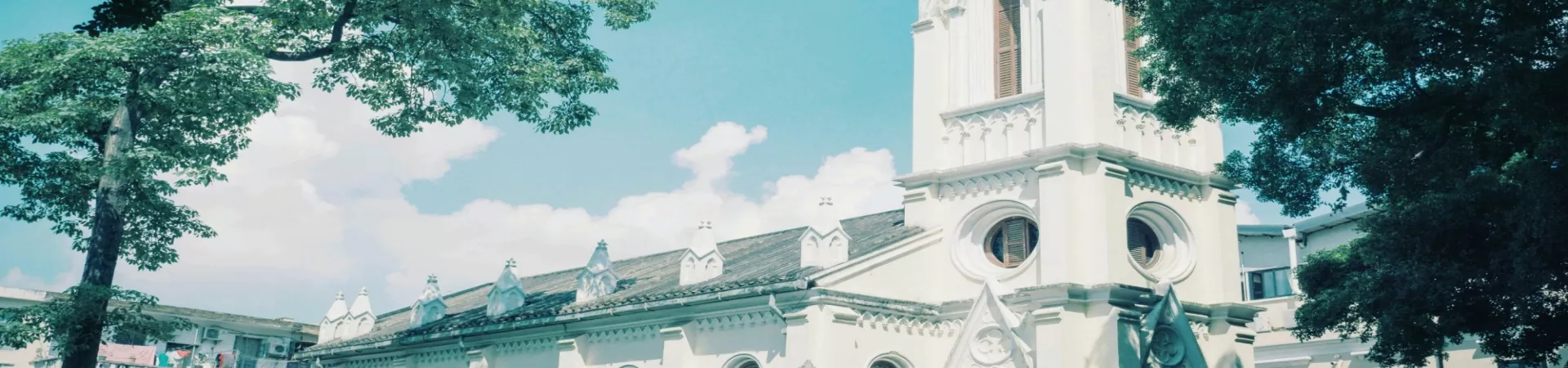
A Visitor's Guide to Shamian Island: Guangzhou's Historic European Enclave
Nestled on the banks of the Pearl River, Shamian Island stands as a serene and captivating anomaly in the heart of bustling Guangzhou. More than just a scenic spot, it is a living parchment of history, a unique architectural sanctuary, and a beloved escape for both locals and visitors. For over a century, this small, sandy island has silently witnessed the transformative tides of Guangzhou's history, evolving from a vital trading port to a colonial concession and finally into the picturesque open-air museum it is today.
From Trading Hub to Colonial Concession: A Historical Crossroads
Shamian's strategic importance dates back centuries, serving as a significant commercial gateway during the Song, Yuan, Ming, and Qing dynasties. Its role in facilitating trade between China and the wider world laid the groundwork for its future. However, the island's character was profoundly and irrevocably shaped following the Opium Wars. In the mid-19th century, it was ceded to British and French authorities, who transformed it into a secluded foreign concession.
This period left an indelible mark, making Shamian a poignant microcosm of modern Chinese history and the era of foreign concessions. The legacy, however, is etched not just in history books but in the very bricks and mortar of the island. The foreign powers, seeking to recreate a familiar environment, oversaw the construction of a comprehensive infrastructure of consulates, trading houses, banks, and residences, resulting in a remarkably cohesive European-style district.
An Architectural Open-Air Museum: Strolling Through a European Village
Today, Shamian Island is celebrated primarily for its stunning and well-preserved European architecture, which forms a unique, pedestrian-friendly "museum without walls." As you step onto the island, the cacophony of modern Guangzhou fades, replaced by the quiet rustle of banyan trees lining tranquil, vehicle-free avenues.
The architectural ensemble is a harmonious blend of styles, predominantly Neoclassical, Baroque, and Victorian, featuring graceful colonnades, intricate ironwork balconies, arched doorways, and weathered pastel-hued facades. Key historic buildings that anchor the island's narrative include:
- The French Catholic Mission Church (Our Lady of Lourdes Chapel): A charming Gothic-style chapel that adds a spiritual and picturesque focal point to the island's southern section.
- The British Protestant Church (Shamian Christ Church): A more understated yet elegant stone church reflecting the Anglican presence.
- The Former Hongkong and Shanghai Banking Corporation (HSBC) Building: A grand structure symbolizing the island's commercial past.
- The Old Customs House and The British Ice Company (Snow Factory): These buildings speak to the logistical and daily life operations of the former concession.
Each building tells a story, and together they create an ambiance more reminiscent of a quaint European town square than a Chinese metropolis. The careful preservation and the lush, park-like setting make every corner photogenic.
The Modern Experience: Leisure, Photography, and Riverside Serenity
Beyond its historical and architectural significance, Shamian Island has gracefully adapted to become a premier destination for leisure and culture. The very features that defined its past now facilitate a delightful visitor experience.
- A Photographer's Paradise: It is arguably one of Guangzhou's most popular spots for photography. The combination of romantic European facades, dappled light through ancient trees, and the serene river backdrop provides endless compositions. Couples often come for pre-wedding photoshoots, while tourists and professional photographers alike find inspiration in the elegant streetscapes, charming cafes, and historic churches.
- Café Culture and Riverside Walks: Numerous cafes, restaurants, and bars now occupy the ground floors of these historic buildings. Sitting at an outdoor table with a coffee or a meal, surrounded by colonial-era architecture, is a quintessential Shamian experience. The broad pedestrian promenade along the Pearl River is perfect for a stroll, offering views of the modern city skyline across the water—a striking contrast to the island's timeless feel.
- A Peaceful Urban Retreat: The island's ban on most vehicular traffic ensures a peaceful, slow-paced atmosphere. It's a place to wander aimlessly, read a book on a park bench, watch locals practicing tai chi, or simply enjoy the rare sound of silence in a megacity.
Essential Visitor Information
Getting There: * By Metro: The most convenient option. Take Metro Line 1 or Line 6 to Huangsha Station. Use Exit D, cross the overhead pedestrian bridge directly opposite the exit, and you will find yourself on Shamian Island. The walk from the exit takes approximately 10 minutes. * By Bus: Several bus routes (including 1, 57, 64, 75, 106, 181, 217) stop near the island. Alight at the "Shi Zhong Yi Yuan" (City Hospital of Traditional Chinese Medicine) stop and walk about 250 meters to the island. * By Taxi: A taxi from Guangzhou Railway Station covers a distance of approximately 6 kilometers.
Admission and Opening Hours: * Ticket Price: Admission to Shamian Island is completely free of charge. * Open Hours: The island is accessible to the public 24 hours a day, every day of the year. The outdoor spaces and streets can be enjoyed at any time, though interior access to specific buildings (like the churches) may depend on their own schedules for services or events. Daytime offers the best light for architecture and photography, while evenings are tranquil and beautifully lit.
Information last updated: August 2023