Museum of the Western Han Dynasty Mausoleum of the Nanyue King
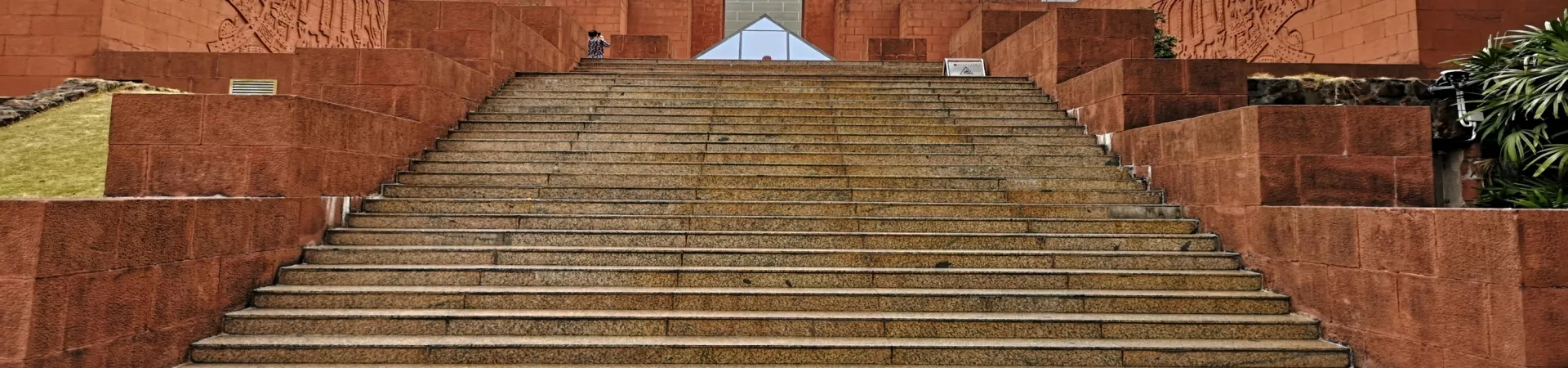
A Journey Through Time: Unveiling the Secrets of the Nanyue Kingdom at the Museum of the Western Han Dynasty Mausoleum of the Nanyue Kings
Nestled in the heart of Guangzhou, the Museum of the Western Han Dynasty Mausoleum of the Nanyue Kings stands as a monumental gateway to a lost kingdom. This is not merely a museum; it is the meticulously preserved tomb complex of Zhao Mo, the second ruler of the ancient Nanyue Kingdom, who reigned from approximately 137 to 122 BC. The museum's unparalleled significance stems from its unique foundation: it was constructed directly over the undisturbed, excavated tomb site discovered in June 1983. This extraordinary approach allows visitors to walk in the footsteps of archaeologists, experiencing the awe-inspiring discovery context while marveling at the over ten thousand exquisite artifacts unearthed from this royal sepulcher. The museum serves as the definitive cultural institution for exploring the Nanyue Kingdom (204–111 BC), a powerful regional state that blended indigenous Yue culture with imported Han Chinese customs, forming a unique and sophisticated civilization in the Lingnan region.
The Crown Jewel: The Tomb of King Wen of Nanyue The absolute centerpiece of the museum is the original tomb site itself, located within the dedicated Ancient Tomb Preservation Area.
- Architectural Marvel: Carved deep into the heart of Xianggang Hill, the tomb is a magnificent example of early imperial Chinese tomb design. It consists of a series of seven chambers arranged along a stone axis, mimicking the layout of a palace to serve the king in the afterlife. Walking through the narrow passageways into the burial chambers is a profoundly moving experience, offering a tangible connection to the distant past.
- The Burial Chamber: The main chamber housed the king's inner coffin. It is here that the museum's most iconic treasure was discovered enveloping the king's remains.
Unparalleled Treasures: Highlights of the Collection The museum's Comprehensive Exhibition Building houses the vast collection of grave goods, which are displayed across several themed galleries. These artifacts provide an intimate glimpse into the king's life, his power, and the kingdom's advanced artistry.
- The Silk-Threaded Jade Burial Suit: Undoubtedly the museum's most celebrated artifact, this is the earliest known and most complete jade burial suit sewn with silk thread discovered in China. Comprising thousands of finely polished jade plaques intricately linked by red silk cord, this "silk缕玉衣" was believed to preserve the body for eternity. Its craftsmanship and historical value are immeasurable, representing the pinnacle of funerary practice and jade work during the early Western Han period.
- Imperial Seals of Authority: Among the most important finds are the gold and jade seals that authenticated the king's rule.
- The "Emperor Wen" Gold Seal: This square gold seal, inscribed with the characters "文帝行玺" (Seal of Emperor Wen for Administrative Use), is of paramount historical importance. It boldly declared Zhao Mo's imperial status, showcasing the Nanyue Kingdom's assertion of sovereignty rivaling the Han court in the north.
- The Dragon-Button Jade Seal: A exquisite jade seal with a coiled dragon knob, belonging to the king, further emphasizes the regal prestige and the cultural fusion of Yue and Han artistic traditions.
- Ritual Vessels and Personal Adornments: The exhibitions showcase a stunning array of objects that accompanied the king:
- A Symphony of Bronzes: Elaborate ritual wine vessels, food containers, and bells demonstrate sophisticated bronze-casting techniques and the importance of ceremonial rites.
- Exquisite Jade and Gold: From bi-discs and pendants to delicate belt hooks and ornaments, the jade and gold work reveal a society with immense wealth and refined taste. The collection includes rare imported items like Persian-style silver boxes, evidence of Nanyue's role in early maritime trade.
- Weaponry and Chariot Fittings: A selection of swords, armor, and bronze chariot fittings underscores the military might that protected the kingdom.
Planning Your Visit: Practical Information The museum is thoughtfully organized into two main sections: the Tomb Exhibition Area (the main site with the tomb and core artifacts) and the Palace Exhibition Area (a separate site showcasing the remains of the Nanyue royal palace and gardens). For first-time visitors, the Tomb Exhibition Area is the essential focus.
- Admission Fees:
- Tomb Exhibition Area: Full ticket: 10 RMB; Half-price ticket: 5 RMB. Half-price admission applies to current university students (with ID), postgraduates, and visitors aged 60-65.
- Free Admission is granted to several categories including visitors over 65, minors under 18, individuals with disabilities, active military personnel, and medical workers (with valid ID). It is advisable to bring relevant identification.
- Palace Exhibition Area: Admission is free for all visitors.
- Opening Hours:
- The museum is open from 9:00 AM to 5:30 PM, Tuesday through Sunday, with last entry at 5:00 PM.
- It is closed every Monday (except national public holidays).
- During summer/winter vacations and national holidays, hours may be extended until 6:00 PM. Visitors are encouraged to check the museum's official announcements for the latest information.
- Getting There:
- To the Tomb Exhibition Area: Take the Guangzhou Sightseeing Bus (Millennium Ancient City Line) and alight at the "Museum of the Nanyue King Mausoleum" bus stop. Alternatively, public bus routes 284, 519, 528, 555, or 5 will bring you to the "Jiefang Beilu Station," from where it is a short walk.
- To the Palace Exhibition Area: Take bus routes 102, 107, 108, 191, or 243 to the "Caiting Station" bus stop.
- Suggested Duration: A comprehensive visit to explore the tomb site and the main exhibitions thoroughly typically requires 1.5 to 3 hours.
Beyond the Main Galleries: Special Exhibitions In addition to its permanent displays, the museum features a dedicated Ceramic Pillow Exhibition, showcasing a diverse collection of ancient ceramic headrests, which are fascinating artifacts of daily life and artistic expression. The institution also hosts a variety of high-quality temporary exhibitions throughout the year, often focusing on specific archaeological themes or cultural exchanges from the Han dynasty period and beyond. These special exhibitions provide even deeper insights into the era and are worth inquiring about during your visit.
A trip to this museum is more than a sightseeing stop; it is an immersive archaeological adventure. It offers a direct, powerful encounter with the material culture of a pivotal era in South China's history, where a local kingdom rose to prominence, creating a legacy preserved in stone, jade, gold, and bronze for over two millennia.