Huangpu Ancient Port Ancient Village
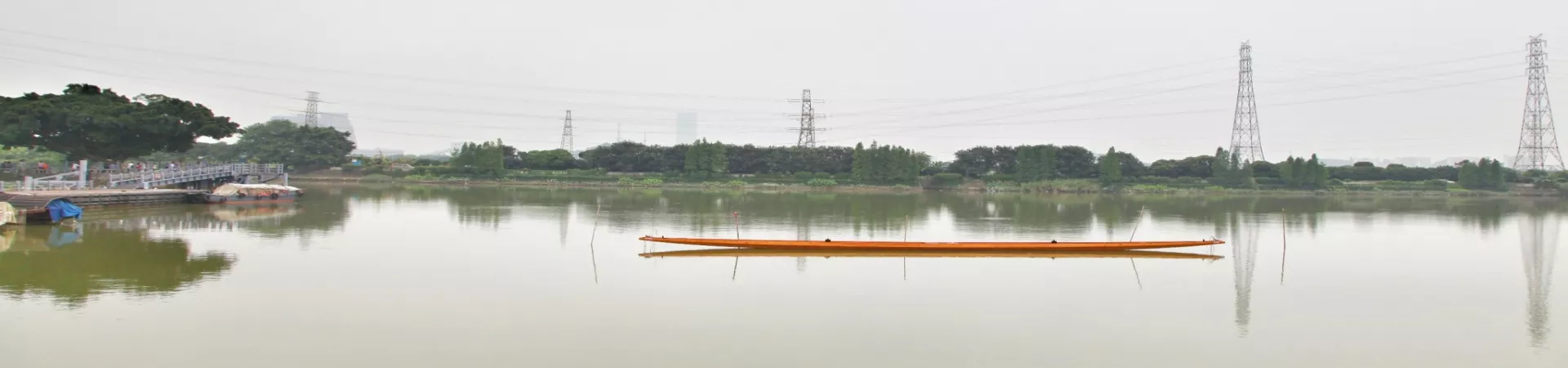
Huangpu Ancient Port and Village: A Living Testament to Guangzhou's Maritime Glory
Subtitle: Where China's Silk Road Met the World
Nestled along the Pearl River in Guangzhou, the Huangpu Ancient Port and Village complex is not merely a static historical site; it is a vibrant narrative etched in stone, wood, and water. This area serves as a profound portal to the 17th and 18th centuries, the golden age of China's maritime commerce. More than just a port, it was a pivotal hub for economic and cultural exchange between China and the West, a key witness to the prosperity of the Maritime Silk Road. Revered as the "First Port of Guangdong," its legacy offers visitors an unparalleled journey into the heart of Guangzhou's illustrious trading past.
1. The Historical Significance: A Gateway to the World 1.1. The Golden Age of Maritime Trade During the Qing Dynasty, particularly under the Canton System, Huangpu Port was the sole authorized port for foreign trade in Guangzhou for nearly a century. This monopoly positioned it at the epicenter of global exchange. Ships from Europe, America, and across Asia docked here, their hulls filled with porcelain, silk, and tea destined for the world, returning with silver, spices, and new ideas. The port was a bustling, cosmopolitan arena where languages and goods intermingled, directly fueling the region's prosperity and shaping global trade dynamics.
**1.2.  A Crossroads of Civilizations**
The port's significance transcended economics. It was a crucial conduit for cultural and technological diffusion. Through this gateway, Western sciences, artistic styles, and social thoughts filtered into China, while Chinese philosophy, aesthetics, and innovations influenced the West. This two-way exchange left an indelible mark on both sides, making Huangpu a true crossroads where civilizations converged and dialogues began.
2. Exploring Huangpu Ancient Village: The Community Behind the Commerce The adjacent Huangpu Village flourished in symbiosis with the port's success. Its prosperity nurtured generations of scholars, merchants, and diplomats, leaving behind a remarkably well-preserved historical tapestry within a modern city.
**2.1.  Architectural Heritage and Layout**
    **2.1.1.  Ancestral Halls and Temples:** Strolling through the village lanes, visitors encounter majestic ancestral halls (宗祠), such as the famed Liang Clan Hall. These structures, with their intricate wood carvings, ceramic figurines, and sweeping roofs, speak of clan pride, social organization, and exquisite Cantonese craftsmanship. Ancient temples dedicated to local deities like Mazu, the protector of seafarers, highlight the spiritual life and hopes of a community intimately tied to the sea.
    **2.1.2.  Residential Dwellings:** The residential architecture blends Lingnan style with subtle Western influences absorbed through trade. "Qilou" buildings (arcaded houses) and traditional courtyard homes with grey bricks, black tiles, and carved eaves offer a glimpse into the daily lives of both wealthy merchants and ordinary residents.

**2.2.  Former Residences of Notable Figures**
    The village is dotted with former homes of influential individuals, including Western-style mansions belonging to successful compradors and more traditional residences of scholars and officials. These homes personify the village's legacy of talent and its direct connection to the broader historical events facilitated by the port.
3. Visitor Information and Practical Details 3.1. Getting There The most convenient public transportation option is to take Guangzhou bus route 229 or Tourist Bus Line 3 to the final stop at Pazhou Shiji Village Bus Station. From there, the entrance to the ancient village and port area is a short and well-signposted walk away.
**3.2.  Admission and Opening Hours**
    One of the great advantages of visiting Huangpu is its accessibility. Admission to the entire ancient village and port historic area is completely **free of charge**. The outdoor sites, including the village lanes, architectural exteriors, and port plaza, are open to explore **24 hours a day**. Individual museum exhibits or specific historic buildings inside may have their own operating hours, typically from around 9:00 AM to 5:00 PM.

**3.3.  Suggested Duration**
    To fully appreciate the scope of the area—from the museum exhibits on trade history and the reconstructed dock area to the labyrinthine village with its numerous halls and homes—a visit of **at least three hours** is recommended. History enthusiasts and photographers may easily wish to spend half a day or more immersing themselves in the atmosphere.
4. The Modern Experience: A Journey Through Time Today, the area seamlessly blends its historical gravitas with contemporary life. The restored port zone features replicas of foreign merchant ships and a museum detailing the trade era. Meanwhile, the living village still buzzes with local activity. Traditional workshops, quaint cafes housed in old buildings, and small eateries serving local snacks like "boat congee" create a dynamic environment where the past is palpably present. Walking from the quiet riverfront, once crowded with tall-masted ships, into the communal heart of the village, visitors don't just learn about history—they experience the enduring spirit of a community that once opened its doors to the world.
Information last updated: January 10, 2023. Credits and contributions to content are acknowledged to the Guangdong Cultural and Tourism Department and dedicated travel community members.