Chen Family Ancestral Hall
A Journey Through Time: Unveiling the Architectural Splendor of the Chen Clan Ancestral Hall
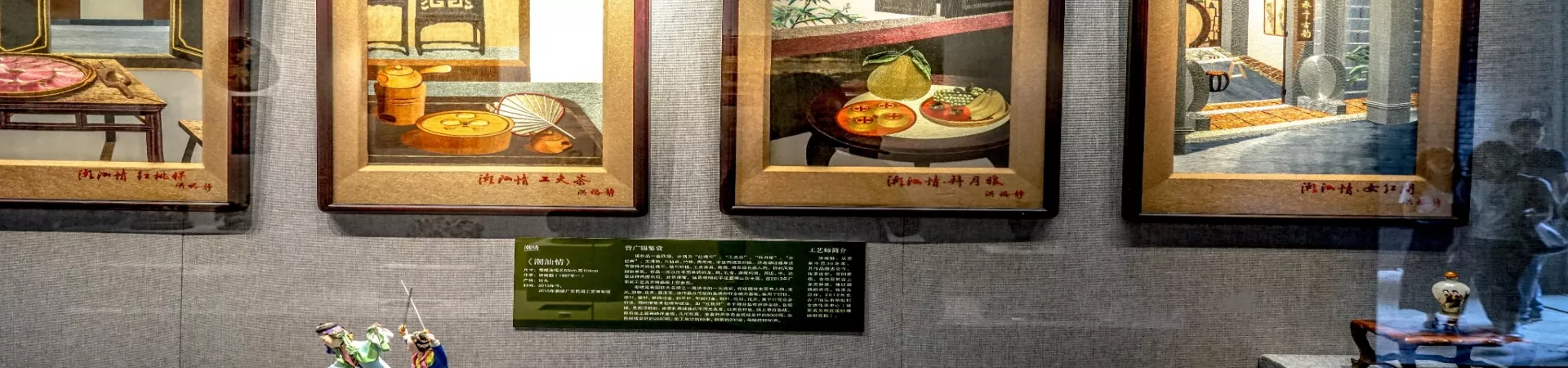
Nestled in the bustling heart of Guangzhou, the Chen Clan Ancestral Hall, originally known as the Chen Family Academy, stands as a monumental testament to the architectural genius and cultural richness of late imperial China. Constructed in 1888 during the 14th year of the Guangxu Emperor's reign in the Qing Dynasty, it is universally acclaimed as the largest, best-preserved, and most exquisitely decorated existing ancestral hall complex from that era in Guangdong Province. More than just a temple for venerating ancestors, it served as a communal academy and gathering place for the Chen families from 72 counties across Guangdong, who pooled resources to create this masterpiece. Today, it captivates visitors not only as a sacred historical site but also as the home of the Guangdong Folk Art Museum, where breathtaking architecture houses a priceless collection of traditional crafts.
Architectural Layout and Philosophy
The grandeur of the Chen Clan Ancestral Hall lies in its harmonious and sophisticated layout, embodying classical Chinese architectural principles.
The Overall Structure: The complex is a magnificent assembly of 19 individual buildings, ingeniously arranged along a central axis. This layout creates a series of interconnected courtyards and halls that guide visitors on a journey from the public exterior to the more intimate and sacred interior spaces.
The Central Axis and Key Halls: The design strictly follows a symmetrical north-south axis, which forms the spiritual and structural backbone of the complex.
- Main Entrance (Da Men): The visit begins at the imposing main gate, itself a foretaste of the artistic wonders within, adorned with intricate carvings and towering figures.
- Juxian Tang (Gathering of Worthies Hall): This is the central and most significant hall of the complex. Serving as the main meeting place for clan gatherings, ceremonies, and discussions, it is the architectural and functional heart of the ancestral hall.
- Rear Hall (Hou Zuo): Positioned at the northern end of the axis, the Rear Hall housed the ancestral tablets and was the primary site for solemn worship and rituals. The progression from the gate to this hall symbolizes a movement from the secular world into a realm of reverence and tradition.
The Courtyard System: The famous "nine halls and six courtyards" design refers to the six spacious courtyards nestled between the main halls. These open spaces provide light, ventilation, and a moment of tranquility. They cleverly separate the different functional halls while simultaneously linking them, creating a rhythmic flow between enclosed spaces and open skies, between human artistry and nature.
A Symphony of Decorative Arts
If the architectural framework is the body of the Chen Clan Ancestral Hall, then its legendary decorative arts are its dazzling soul. Every conceivable surface serves as a canvas for master craftsmen, making the entire complex a three-dimensional museum of Chinese folk art.
Wood Carving: The hall is renowned for its profound and elaborate wood carvings. From massive beams and friezes to delicate door screens and panels, the woodwork depicts scenes from Chinese mythology, historical legends, flora and fauna, and auspicious symbols. Each piece tells a story, conveying wishes for prosperity, longevity, and scholarly achievement.
Stone and Brick Carving: The sturdy foundations, pillars, and walls feature exceptional stone and brick carvings. These range from powerful guardian lions at the entrances to delicate reliefs on walls and lintels, showcasing remarkable texture and detail that have withstood the test of time.
Ceramic and Clay Sculpture: Perhaps the most iconic decorations are the vibrant ceramic figurines that adorn the roof ridges, eaves, and gables. These sculptures, fired in the famous Shiwan kilns of Foshan, present entire tableaus of dramatic scenes from operas and folklore. Complementing them are fine clay sculptures, adding depth and narrative to the walls.
Iron Casting and Other Crafts: The artistry extends to wrought iron gates, painted murals, and colorful glazed windows. The iron castings, in particular, demonstrate advanced metallurgical skills, forming intricate patterns that are both sturdy and beautiful.
Essential Visitor Information
To ensure a smooth and enriching visit, please take note of the following practical details.
Location and Transportation: Conveniently located at No. 34 Enlong Li, Zhongshan 7th Road, the site is easily accessible.
- By Metro: The most convenient method is to take Metro Line 1 and alight at Chen Clan Ancestral Hall Station. Use Exit D, and you will find yourself at the entrance.
- By Bus: Numerous bus lines stop at the Chen Clan Ancestral Hall station, including routes 17, 85, 88, 104, 107, 128, 193, 204, 233, 250, and 286.
Admission Fees: The entrance fee is modest, offering great value.
- General Admission: RMB 10 per adult.
- Concession Ticket (Half-price): RMB 5 for children and seniors. This rate also applies to full-time students (high school and above, including undergraduate).
- Free Admission: Free entry is granted to several groups upon presentation of valid identification, including: minors under 18, seniors aged 60 and over, individuals with disabilities, active military personnel and their families, veterans with Guangzhou household registration, Guangzhou high-level talent, holders of the Guangzhou Blood Donation Privilege Certificate, firefighters, and fire academy students.
Operating Hours: The complex is open daily from 9:00 AM to 5:30 PM. The last ticket is sold at 5:00 PM. It is important to note that the hall is closed for maintenance on the last Monday of every month. Should that Monday coincide with a national public holiday, the closure will be postponed to the next weekday.
Suggested Duration: To fully appreciate the architectural details and explore the folk art exhibits, a visit of 1 to 3 hours is recommended.
Contact: For any inquiries, you may call 020-81814559 or 020-81819653.
A visit to the Chen Clan Ancestral Hall is more than a sightseeing stop; it is an immersive walk through a living artifact. It offers a profound glimpse into the clan culture, artistic zenith, and spiritual life of Lingnan region in the late Qing Dynasty, leaving every visitor in awe of its timeless beauty and craftsmanship.