Xuexi Cave
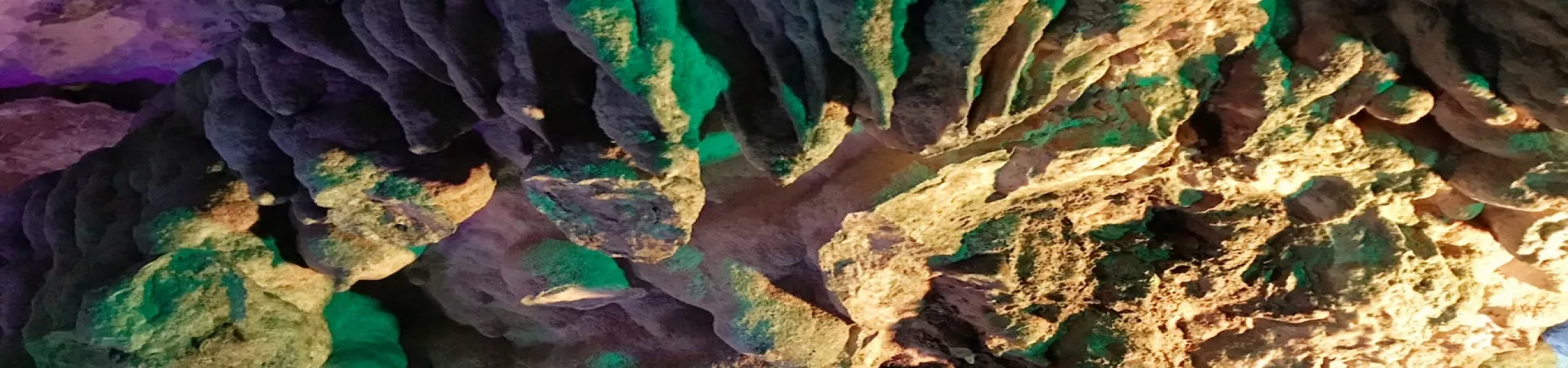
Subtitle: A Journey into Guangyuan's Underground Fairyland
1. Introduction to Xuexi Cave Nestled within the verdant landscapes of Guangyuan City in Sichuan Province, China, lies a hidden realm of breathtaking natural artistry—Xuexi Cave. Far more than a simple geological formation, it is a magnificent subterranean palace sculpted over millennia by the patient hands of nature. The cave's name, which evokes imagery of a "Snowy Stream," hints at the pristine, ethereal beauty that awaits within. For travelers seeking to venture beyond the well-trodden paths and discover one of China's most spectacular karst cave systems, Xuexi Cave offers an unforgettable journey into a world of stunning mineral formations, serene underground waterways, and an atmosphere of profound tranquility. This destination is not merely a sightseeing stop but an immersive experience that connects visitors with the awe-inspiring power and creativity of natural forces.
2. Geological Marvel and Formation 2.1. The Artistry of Water and Time Xuexi Cave is a quintessential example of a karst cave, formed primarily through the dissolution of soluble bedrock, such as limestone, by slightly acidic groundwater over hundreds of thousands of years. This slow, persistent process has resulted in a vast network of chambers, tunnels, and galleries adorned with an incredible variety of speleothems—the collective term for cave formations like stalactites, stalagmites, stone pillars, flowstones, and helictites.
2.2. A Gallery of Natural Sculptures Walking through the illuminated pathways of Xuexi Cave is akin to wandering through a grand, natural art museum. The cave's interior is a fantastical landscape where calcite deposits have taken on forms limited only by the imagination. * Stalactites and Stalagmites: Countless stalactites hang from the ceilings like stone icicles, while stalagmites rise from the floors. In many places, they have met to form majestic, floor-to-ceiling columns that seem to support the very weight of the mountain above. * Flowstones and Draperies: Layers of calcite have created smooth, flowing formations resembling frozen waterfalls or elegant stone curtains. When subtly lit, these formations shimmer, revealing a palette of colors from pure white and creamy yellow to subtle ochres and grays, influenced by mineral impurities. * Unique Formations: The cave features particularly rare and delicate formations, such as helictites that twist and turn in seemingly gravity-defying directions, and translucent soda straw stalactites. Each chamber presents a new scene: one might resemble a palace hall with stone thrones and pillars, another a dense, petrified forest, and yet another a celestial canopy of star-like crystal formations.
3. The Visitor Experience 3.1. Navigating the Underground Landscape The cave is developed for tourism with safe, well-maintained walkways, stairs, and strategic lighting that enhances the natural features without overwhelming them. The lighting design is crucial, as it casts dramatic shadows and highlights the textures and colors of the formations, creating a mystical ambiance. The air inside is cool and carries a distinct, earthy freshness, providing a respite from the weather outside. The gentle, constant sound of dripping water echoes through the chambers, a reminder of the ongoing, live process of creation.
3.2. The Underground River A defining feature of the Xuexi Cave experience is its serene underground river. In certain sections, visitors can board flat-bottomed boats for a tranquil cruise along the crystal-clear waterway. Gliding silently through dimly lit caverns, with reflections of the stone wonders shimmering on the water's surface, is a profoundly peaceful and almost otherworldly experience. This river is the very artist that carved the cave, and traveling upon it offers a unique perspective on the cave's genesis.
4. Practical Information for Visitors 4.1. Location and Access Xuexi Cave is located in the scenic area near Guangyuan City. Guangyuan itself is well-connected by high-speed rail and highways from major cities like Chengdu and Xi'an. From Guangyuan's city center, local transportation such as taxis or tourist buses can take visitors to the cave entrance. It is often combined with a visit to the nearby Huangze Temple or other local attractions to make a full day's itinerary.
4.2. Opening Hours and Best Time to Visit The cave is open year-round, but operating hours vary slightly by season: * Summer Season (June 1 - August 31): 08:30 - 18:00 (last admission at 17:00). * Winter Season (December 1 - February 28): 08:30 - 17:30 (last admission at 16:30). It is advisable to verify times locally before your visit, as they are subject to change. The cave maintains a constant cool temperature (typically around 15-18°C or 59-64°F), making it a refreshing escape during the hot summer months. The interior climate ensures a comfortable visit regardless of the season outside.
4.3. Tips for a Fulfilling Visit * Footwear and Clothing: Wear comfortable, non-slip shoes as the paths can be damp. A light jacket or sweater is recommended due to the cool cave temperature. * Photography: Photography is usually permitted, but the use of tripods or flash may be restricted to protect the environment and ensure visitor safety. The low-light conditions often require a steady hand or high-camera sensitivity. * Guided Tours: Consider opting for a guided tour if available. Knowledgeable guides can provide fascinating insights into the geology, history, and folklore associated with the cave, pointing out subtle formations and sharing stories that enrich the experience. * Conservation: As a fragile natural heritage site, it is imperative for all visitors to follow the rules: not touching the formations (as skin oils can damage them), staying on designated paths, and not littering. Preserving this natural wonder ensures future generations can enjoy its splendor.