Tangjiahe Nature Reserve
Subtitle: A Pristine Wilderness Sanctuary in Sichuan's Heart
1. Introduction to Tangjiahe National Nature Reserve
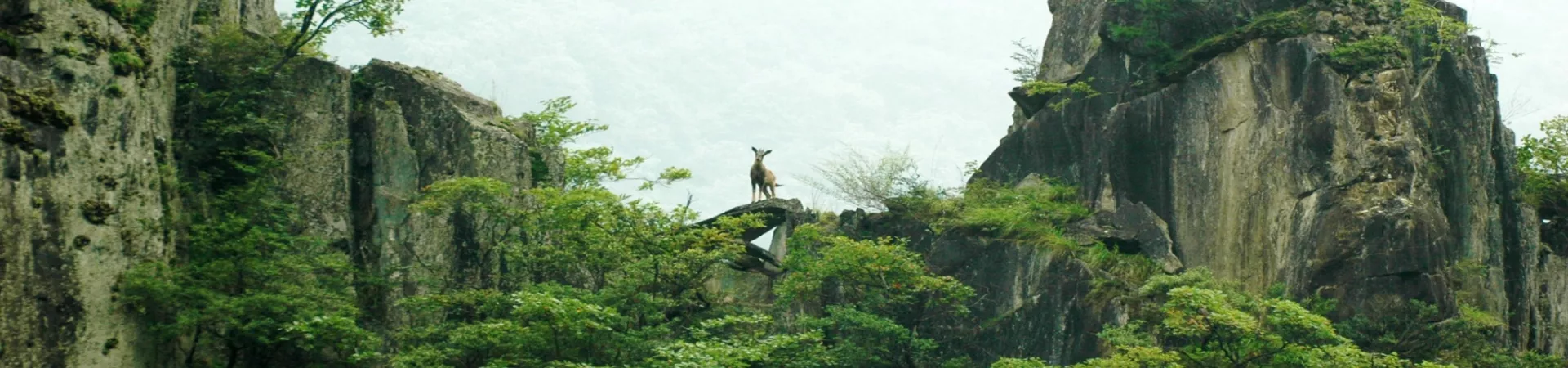
Nestled approximately 80 kilometers north of Qingchuan County in Guangyuan City, Sichuan Province, lies the expansive and breathtaking Tangjiahe National Nature Reserve. Straddling the borders of Wen County in Gansu Province to the north and Pingwu County in Mianyang City to the west, this protected area encompasses a vast territory of about 400 square kilometers (approximately 60,000 acres). It is a realm defined by dramatic topography, where rugged mountain peaks pierce the sky at a maximum elevation of 3,846 meters, and deep valleys sink to around 1,500 meters. This significant altitudinal variation creates a mosaic of diverse ecosystems within a single, spectacular landscape. The reserve is a vital hydrological hub, crisscrossed by a dynamic network of four rivers, eleven major streams, and 123 smaller brooks, whose pristine waters weave through the forested slopes. Tangjiahe stands as a rare bastion of ecological purity—a place free from pollution and hunting, where visitors can immerse themselves in the unspoiled beauty and serenity that nature bestows. It is a destination so remarkable that it has inspired sentiments like that from a visiting foreign expert: "A life without experiencing Tangjiahe is truly a lifelong regret."
2. Ecological Significance and Biodiversity
2.1. A Sanctuary for Rare Wildlife Tangjiahe is internationally renowned as a critical stronghold for biodiversity conservation in China. Its pristine forests and complex terrain provide an ideal refuge for numerous rare and endangered species. Most famously, it serves as a vital habitat for the iconic Giant Panda (Ailuropoda melanoleuca), offering researchers and, through managed ecotourism, lucky visitors a chance to understand the life of this beloved bear in the wild. However, the panda is just the beginning. The reserve is also home to other charismatic fauna such as the Takin (Budorcas taxicolor), Golden Snub-nosed Monkey (Rhinopithecus roxellana), and the elusive Clouded Leopard (Neofelis nebulosa). The forests and skies are alive with birds, including various pheasants and songbirds, making it a premier destination for wildlife enthusiasts and birdwatchers.
2.2. Pristine Ecosystems and Botanical Richness The reserve's conservation success ensures the protection of entire ecosystems. The dramatic elevation gradient fosters distinct vegetative zones, ranging from subtropical evergreen broad-leaved forests at lower altitudes to alpine scrub and meadows near the peaks. This variety supports an immense diversity of plant life, including ancient trees, vibrant rhododendrons, and a multitude of medicinal herbs. The air is notably fresh, and the water in the countless streams is clean and drinkable, a testament to the area's untouched condition. Visiting Tangjiahe is not merely sightseeing; it is an opportunity to witness a fully functioning, healthy ecosystem largely undisturbed by human activity.
3. Practical Visitor Information
3.1. Admission Fees To support conservation efforts, an entrance fee is required: * Standard Ticket: 55 RMB (Applicable year-round, Monday-Sunday). * Concession Tickets (Half-price): Available for: * Seniors aged 60-69 (inclusive) with valid ID. * Full-time undergraduate and lower-level students with valid student ID. * Active military personnel and individuals with disabilities with valid certificates. * Free Admission: Granted to: * Children under 1.2 meters in height. * Seniors aged 70 and above with valid ID. * Note: The above information is for reference. Please confirm the latest prices and policies with the scenic area on the day of your visit.
3.2. Operating Hours Opening hours vary seasonally to accommodate daylight and weather conditions: * Peak Season (April 1 - November 30): 08:00 - 16:00 (Last entry at 16:00), Monday-Sunday. * Off-Season (December 1 - March 31): 09:00 - 17:00 (Last entry at 16:00), Monday-Sunday.
3.3. Contact Information For inquiries, bookings, or the latest updates, you can contact the reserve at: * Telephone: 0839-7809136 or 0839-7809888.
4. Experiencing Tangjiahe
4.1. Recommended Activities A visit to Tangjiahe is centered on immersive nature experiences. Key activities include: * Guided Wildlife Watching: Join knowledgeable guides on early morning or late afternoon tours to maximize chances of spotting wildlife in their natural habitats. * Hiking and Trekking: Explore a network of well-maintained trails that cater to different fitness levels, leading to panoramic viewpoints, serene valleys, and alongside crystal-clear streams. * Photography: The reserve is a paradise for photographers, offering stunning landscapes, macro opportunities with diverse flora, and the thrilling challenge of capturing its elusive wildlife. * Nature Education: Learn about conservation, ecology, and the specific species the reserve protects through visitor centers and interpretive signs.
4.2. Planning Your Visit To ensure a rewarding and responsible trip, consider the following: * Best Time to Visit: Spring (April-May) brings blooming flowers and active wildlife. Autumn (September-October) offers clear skies and stunning foliage. Summer is lush and cool, while winter presents a quiet, frosty landscape with possible snow at higher elevations. * What to Bring: Wear sturdy hiking shoes, layered clothing for changing mountain weather, rain gear, sun protection, and binoculars. Carry sufficient water and snacks, as facilities inside the reserve are limited. * Responsible Tourism: Adhere strictly to reserve rules: stay on designated trails, do not disturb or feed wildlife, take all trash with you, and maintain a quiet presence to minimize impact on the environment and its inhabitants.
By preserving its ecological integrity while allowing for respectful public access, Tangjiahe National Nature Reserve offers a profound journey into one of China's most precious natural treasures, leaving visitors with a deep appreciation for the wild and a lasting memory of its serene beauty.