Red Army Sword Gate Pass
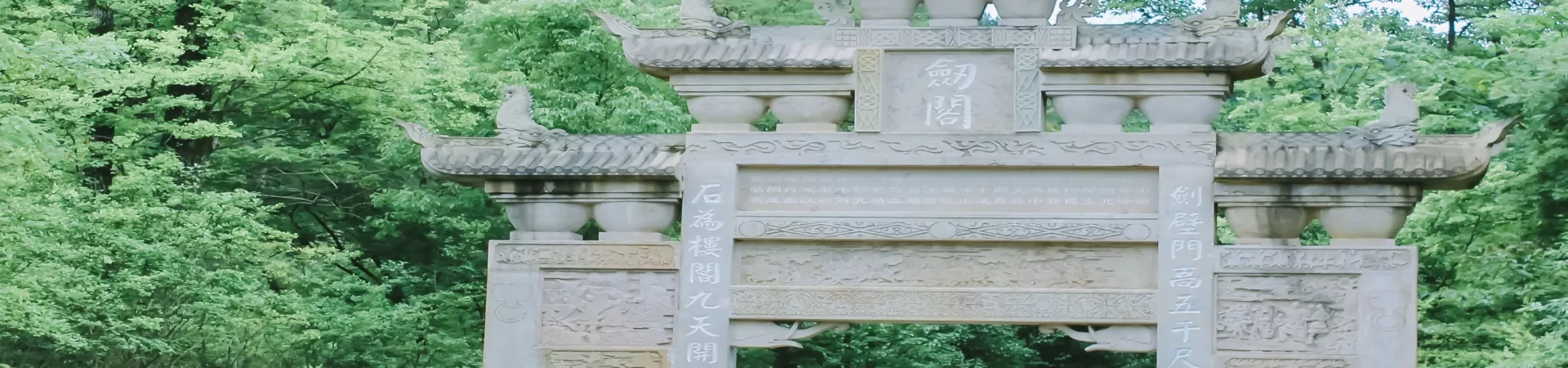
Subtitle: Echoes of Valor: A Journey Through the Red Army's Fierce Battle at Jianmen Pass
Introduction: The Impenetrable Gate and the Unbreakable Will
Nestled amidst the majestic peaks of the Daba Mountains in northern Sichuan, the Jianmen Pass stands as a timeless testament to both natural grandeur and human history. For centuries, this formidable series of narrow cliffs, often poetically described as "the impregnable pass under heaven," served as a critical northern gateway into the Sichuan Basin, its strategic significance etched into every sheer rock face. However, its modern legacy is irrevocably tied to a pivotal moment in the mid-20th century. In the spring of 1935, the thunder of artillery and the spirit of determination shattered the mountain's ancient silence. This is the site where the Fourth Front Army of the Chinese Workers' and Peasants' Red Army, during their legendary Long March, fought one of their most crucial and hard-fought battles. The Jianmen Pass Battle Site is not merely a scenic wonder; it is a hallowed ground where the course of history was altered, a place where the physical landscape tells a story of sacrifice, strategy, and an indomitable revolutionary will that continues to resonate deeply within China's collective memory.
I. The Strategic Crucible: Why Jianmen Pass Mattered
A. A Geographical Fortress To understand the battle, one must first appreciate the daunting terrain. Jianmen Pass is not a single gate but a dramatic 500-meter-long natural cleft through towering limestone mountains. The path is extraordinarily narrow, with cliffs rising vertically for hundreds of meters on either side, creating a passage that truly embodies the phrase "one man can hold the pass against ten thousand." This natural fortress had historically made any direct assault seem a tactical folly.
B. The Military Context of 1935 By April 1935, the Red Army's Fourth Front Army, having moved into the Sichuan-Shaanxi region, aimed to join forces with the Central Red Army moving northward. Controlling Jianmen Pass was absolutely essential to secure their western flank, protect the newly established revolutionary base, and facilitate a strategic corridor for troop movements. The opposing Nationalist (Kuomintang) forces, well aware of its importance, had deployed significant troops and built extensive fortifications, believing the pass to be unconquerable from the north. The stage was set for an epic confrontation between entrenched defense and mobile, determined offense.
II. The Battle Unfolds: Tactics, Tenacity, and Triumph
A. Preparations and Deceptive Maneuvers The Red Army command, under leaders like Xu Xiangqian, understood that a frontal assault would be catastrophic. In a masterstroke of military deception, a portion of the force was sent to create a diversionary attack at a nearby pass, drawing the attention and reinforcements of the defending troops. Meanwhile, the main assault force embarked on a grueling, covert night march through treacherous, unguarded mountain paths, effectively outflanking the primary defensive positions.
B. The Fierce Assault on the Pass On April 2nd, 1935, the main attack was launched from an unexpected direction. What ensued was a day of intense and bloody combat. Red Army soldiers, displaying extraordinary courage, scaled cliffs under heavy fire and engaged in fierce close-quarters fighting along the narrow ridges and paths. The battle was characterized by: * Close-Quarter Combat: The confined space made large maneuvers impossible, turning the battle into a series of brutal engagements for control of key bunkers and vantage points. * Human Wave and Tactical Ingenuity: Despite being at a potential disadvantage in terms of position and equipment, the Red Army utilized coordinated small-unit tactics and sheer determination to overwhelm fixed positions. * The Final Push: After hours of relentless fighting, the defending forces, now surrounded and outmaneuvered, began to collapse. By the day's end, the Red Army had achieved a stunning victory, securing complete control of the impregnable Jianmen Pass.
III. Legacy in the Landscape: Commemoration and Education
A. The Jianmen Pass Battle Site Memorial Today, the battlefield has been transformed into a comprehensive memorial and patriotic education base. Key sites integrated into the natural scenery include: * The Command Post: A preserved site where the battle strategy was directed. * Monuments and Sculptures: Striking statues and stone carvings depicting charging soldiers, medics, and commanders, capturing the drama and sacrifice of the battle. * Exhibition Halls: Museums housing historical photographs, documents, weapons, and personal effects of soldiers, providing detailed context to the military campaign and the broader Long March. * The Sword Gate Gatehouse Itself: Visitors can walk the same ancient path, touch the stone walls scarred by bullets, and gaze from the heights that soldiers fought to control, gaining a visceral sense of the battle's challenges.
B. An Enduring Symbol The victory at Jianmen Pass is celebrated as a classic example of mobile warfare and a testament to the Red Army's resilience. It secured a vital route, boosted morale immensely, and became a legendary chapter in the Long March narrative. The site transcends its military history, evolving into a symbol of overcoming insurmountable odds through courage and unity.
IV. A Visitor's Perspective: Experiencing History Firsthand
A. The Sensory Journey A visit here is a multi-layered experience. The journey begins with a walk or cable car ride up to the pass, where the breathtaking, mist-shrouded vistas immediately convey the strategic importance. The air is cool and crisp, and the silence is profound—a stark contrast to the chaos of 1935. Reading inscriptions on monuments while listening to the wind through the pines creates a powerful, reflective atmosphere.
B. From Historical Site to Cultural Tapestry While the battle site is the core historical attraction, a visit to the area is often combined with exploring the broader cultural and natural offerings of Jianmen Pass. This includes: * The Ancient Plank Road: Sections of the historic Shu Dao road, carved into the cliffs, offering insights into centuries of pre-modern travel and engineering. * Local Folklore: The area is rich with legends, most famously connected to the Three Kingdoms period, adding deeper historical layers to the landscape. * Natural Beauty: The spectacular karst mountain scenery, with its lush vegetation and dramatic vistas, provides a stunning backdrop, reminding visitors that this place of conflict is also a place of timeless natural beauty.
In conclusion, the Red Army's Bloody Battle at Jianmen Pass Site offers far more than a history lesson. It is an immersive encounter where geography and human endeavor collide. It invites visitors to contemplate the profound events that shaped a nation while standing in one of China's most dramatic and evocative landscapes, ensuring that the echoes of both the mountain's silence and the soldiers' valor are never forgotten.