Nanhe Wetland Park
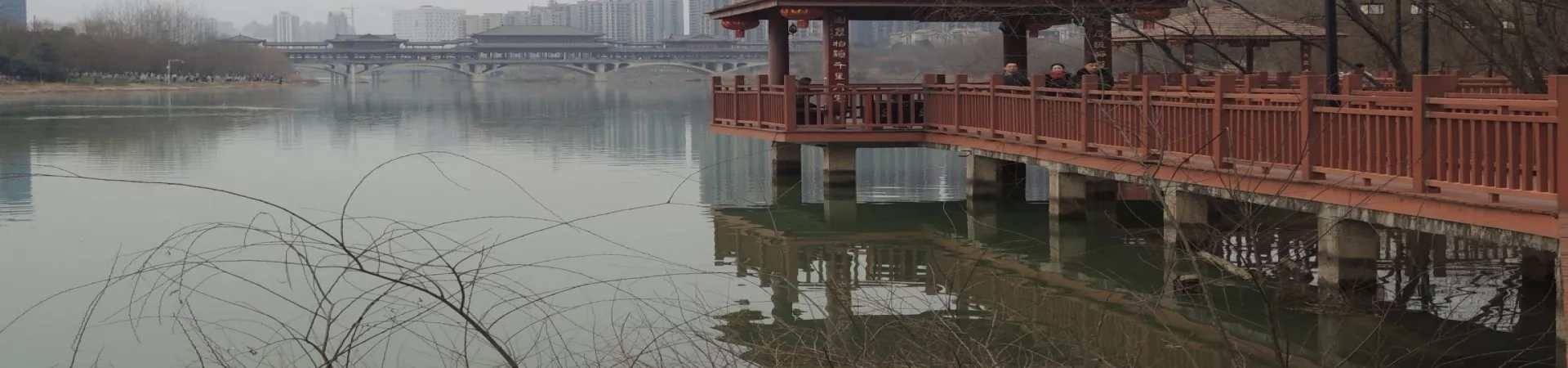
Subtitle: A Sanctuary of Biodiversity and Serenity on the Ancient Shu Path
1. Introduction: Where History Meets Ecology Nestled at the foothills of the majestic Micang Mountains and cradled by the flowing waters of the Nan River, Nanhe National Wetland Park in Guangyuan, Sichuan, stands as a remarkable testament to ecological conservation and cultural heritage. Far more than just a scenic spot, it represents one of China's first national wetland parks, meticulously constructed on a restored river ecosystem. Its location is historically profound, situated at the vital northern starting point of the ancient "Jinniu Dao" (Golden Ox Road), a critical branch of the Shu Path that connected the Central Plains with the Sichuan Basin. This unique positioning transforms the park from a mere natural retreat into a living landscape where visitors can literally walk through chapters of history while immersed in rejuvenating wetlands.
2. Ecological Tapestry: The Heart of the Wetland 2.1. A Masterclass in Restoration The park's core narrative is one of successful ecological reclamation. What was once a degraded riverbank has been transformed into a thriving, multi-functional wetland ecosystem. This deliberate restoration provides a crucial green lung for Guangyuan City and serves as a model for sustainable urban environmental management.
2.2. Habitats and Biodiversity The park's design ingeniously incorporates diverse wetland habitats, creating a mosaic that supports a wide array of life. * Open Water Zones: Expansive lakes and gentle streams form the aquatic backbone, regulating water flow and providing a habitat for fish and aquatic plants. * Marshlands and Shoals: These shallow, nutrient-rich areas are nurseries for invertebrates and feeding grounds for wading birds, buzzing with insect life. * Riparian Forests and Meadows: Lush vegetation along the banks and managed meadows stabilize the soil, filter runoff, and offer shelter and food for terrestrial species.
2.3. A Birdwatcher's Paradise This variety of habitats makes the park a premier destination for avian life. It functions as a vital feeding and breeding ground for resident species and a crucial stopover point for migratory birds traversing the East Asian-Australasian Flyway. Throughout the year, visitors might spot the elegant egrets and herons stalking the shallows, the vibrant flashes of kingfishers, and various species of ducks and warblers. The presence of these birds is the most visible indicator of the wetland's health and ecological richness.
3. The Cultural and Historical Dimension 3.1. Treading the Ancient Shu Path The park's cultural significance is deeply intertwined with the ancient Shu Path network. The "Jinniu Dao," which passed through this area, was an engineering marvel and a conduit for trade, cultural exchange, and military movements for over two millennia. Walking along certain trails in the park, one follows in the footsteps of merchants, poets, and soldiers who shaped the region's history.
3.2. Integration of Heritage and Landscape This heritage is thoughtfully integrated into the visitor experience. The park features restored sections and evocative markers related to the ancient road. A key highlight is the "Shimen Night Moon" scene, a historical site within the park where a stone gate once stood. This site, celebrated in classical poetry, evokes the timeless beauty and solitude experienced by ancient travelers. Additionally, the "Waterfront Market Street" offers a glimpse into historical commercial life, with architecture and ambiance reflecting the style of a traditional riverside market that might have served travelers on the old path.
4. The Visitor Experience: Immersion and Education 4.1. Thoughtful Infrastructure and Activities The park is designed for immersive exploration while prioritizing minimal environmental impact. * Trails and Boardwalks: An extensive network of paved trails, wooden boardwalks, and viewing platforms allows visitors to venture deep into the wetland's heart without disturbing its delicate ecosystems. These paths offer ever-changing perspectives, from wide-open water vistas to intimate forested corridors. * Observation and Education: Strategically placed bird-watching towers and hides enable quiet observation of wildlife. Interpretive signs and educational displays throughout the park explain the wetland's ecology, its restoration story, and its historical context, fostering a deeper appreciation. * Recreational Spaces: For leisure, the park offers clean, open lawns perfect for picnics, cultural plazas for events, and clean, accessible facilities. The serene environment is ideal for photography, sketching, or simply finding a quiet moment of contemplation.
4.2. A Landscape for All Seasons The park's character beautifully shifts with the seasons, offering a different reason to visit throughout the year. Spring brings vibrant new growth and blossoming flowers; summer offers lush, cool greenery; autumn paints the riparian forests in warm hues; and winter presents a stark, elegant landscape where the structural beauty of the wetlands and the clarity of bird sightings become pronounced.
5. Practical Information for Planning Your Visit 5.1. Location and Access Nanhe National Wetland Park is conveniently located in the southern part of Guangyuan's urban area in Sichuan Province. It is easily accessible by city public transportation, taxi, or private vehicle, with clear signage leading to its main entrances.
5.2. Suggested Itineraries * The Nature Enthusiast's Route: Focus on the western ecological zones, spend time at bird-watching towers, and walk the quieter boardwalks to observe plant and animal life. * The History and Culture Route: Explore the areas highlighting the Shu Path heritage, seek out the "Shimen Night Moon" site, stroll along the Waterfront Market Street, and visit any historical markers or exhibits. * The Leisurely Stroll Route: Follow the main loop around the central water bodies, enjoy the panoramic views from major pavilions, and relax in the grassy park areas.
5.3. Visitor Guidelines To ensure the park's preservation and everyone's enjoyment, visitors are encouraged to adhere to core principles: staying on designated paths, refraining from disturbing wildlife or picking plants, carrying out all trash, and maintaining a quiet demeanor in sensitive ecological zones. The park's beauty is a shared resource that requires collective responsibility.