Huangze Temple
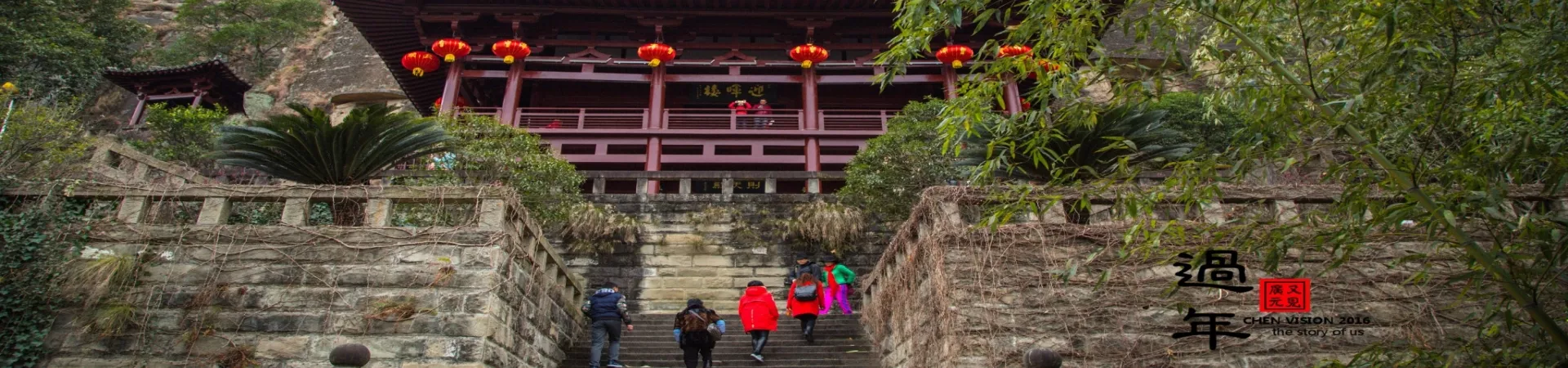
Subtitle: A Sacred Site Honoring China's Only Female Emperor, Nestled on the Banks of the Jialing River
Introduction to Huangze Temple
Huangze Temple stands as a unique and historically profound site in Chinese culture, distinguished as the sole temple dedicated to the worship of Wu Zetian, the only woman in Chinese history to assume the title of emperor in her own right. Located on the western outskirts of Guangyuan City, Sichuan Province, its grounds gracefully overlook the serene waters of the Jialing River. This temple is not merely a local landmark but a site of national significance, officially recognized as a Major Historical and Cultural Site Protected at the National Level. A visit here is a journey into the heart of Tang Dynasty history, offering insights into the life, legacy, and spiritual veneration of one of China's most powerful and controversial figures.
Historical Origins and Architectural Layout
The temple's foundations trace back to the 22nd year of the Guangzheng era during the Later Shu period (959 AD). While the complex has undergone repairs and reconstructions over the centuries, it retains an atmosphere imbued with antiquity. The original architectural plan of Huangze Temple was meticulously designed, integrating structures for worship, commemoration, and communal gathering directly facing the river.
2.1 The Riverside Facade and Core Structures The historical layout featured several key buildings along the waterfront. The "Zetian Gate" served as a grand entrance, symbolically named after the emperor's reign title. Adjacent to it was the "Empress's Dressing Tower," a structure evoking the personal life of Wu Zetian. For public entertainment and religious festivals, a "Music Tower" or opera stage was present, indicating the temple's role as a community hub. Further into the complex, devotional halls such as the "Maitreya Buddha Hall" and the "Iron Guanyin Hall" provided spaces for Buddhist worship, reflecting the syncretic spiritual environment of the era where imperial cult and Buddhism intertwined.
2.2 The Modern Temple Complex Today, visitors encounter a restored complex that harmonizes with its historical legacy. The central focus remains the halls dedicated to Wu Zetian, where her statue, often depicted in imperial monk attire, receives homage. The temple grounds house a collection of invaluable cultural relics, most notably the exquisite Buddhist stone carvings dating from the Northern and Southern Dynasties through to the Tang Dynasty. These grottoes and stone sculptures, located within the temple precincts, are artistic masterpieces and offer a silent narrative of the region's devout Buddhist heritage, which flourished under imperial patronage.
Practical Visitor Information
To facilitate a smooth and enriching visit, the following practical details are essential for planning your trip to Huangze Temple.
3.1 Ticket Information A standard admission ticket is priced at 50 RMB per person and is valid throughout the year. The temple offers several discounted and free admission policies to accommodate various visitor groups: * Half-price Ticket (Concession): This is available for full-time undergraduate students and below, who must present valid student identification. Additionally, during national statutory holidays, seniors aged 60 to 64 (inclusive) can enjoy half-price admission upon presenting valid ID. * Free Admission: Several categories qualify for free entry: children under 1.2 meters in height or below 6 years of age; seniors aged 60 and above during non-holiday periods (valid ID required); and active-duty military personnel, individuals with disabilities, and fire rescue personnel, all of whom must present their official valid certificates.
3.2 Opening Hours The temple's operating hours vary slightly between the warmer and cooler seasons to accommodate daylight and visitor patterns: * Summer Season (May 1st - September 30th): The site is open from 08:00 to 18:30 daily, with the last admission permitted at 18:30. * Winter Season (October 1st - April 30th of the following year): Operating hours are from 08:00 to 18:00 daily, with the last entry at 18:00. It is advisable to allocate at least 1.5 to 2.5 hours for a comprehensive visit to explore the halls, stone carvings, and scenic riverside views.
The Cultural and Historical Significance
4.1 Wu Zetian's Connection to Guangyuan While Wu Zetian's reign was centered in Luoyang and Chang'an, her enduring connection to Guangyuan forms the cornerstone of the temple's significance. Local tradition holds that Guangyuan is her birthplace, a claim that, whether historically precise or legendary, has been deeply embraced for centuries. Huangze Temple embodies this local pride and serves as a focal point for the cultural memory of her extraordinary story—from a concubine to the sovereign ruler of the Tang Empire.
4.2 A Site of Syncretism and Art The temple transcends a single narrative. It is a tangible representation of the fusion of imperial authority, personal devotion, and religious art. The coexistence of halls for a female emperor and statues of Buddhist deities illustrates the complex ideological landscape of medieval China. The adjacent stone carvings, protected as part of the temple complex, are of exceptional archaeological and artistic value. They showcase the evolution of Buddhist iconography and sculptural techniques, making the site a crucial chapter in the study of Chinese grotto art, often mentioned alongside more famous sites like the Mogao Caves.
4.3 The Riverside Setting and Visitor Experience The geographical setting of Huangze Temple profoundly enhances the visitor experience. Perched on the bank of the Jialing River, the temple offers tranquil spots for reflection away from the main halls. The view of the river, which has witnessed over a millennium of history, adds a layer of poetic contemplation to the visit. The environment allows one to appreciate not only the historical figures commemorated but also the enduring natural landscape that has framed this sacred space for generations. The blend of cultural depth, artistic achievement, and natural beauty makes Huangze Temple a compelling destination for history enthusiasts, cultural travelers, and those seeking a connection to China's multifaceted past.