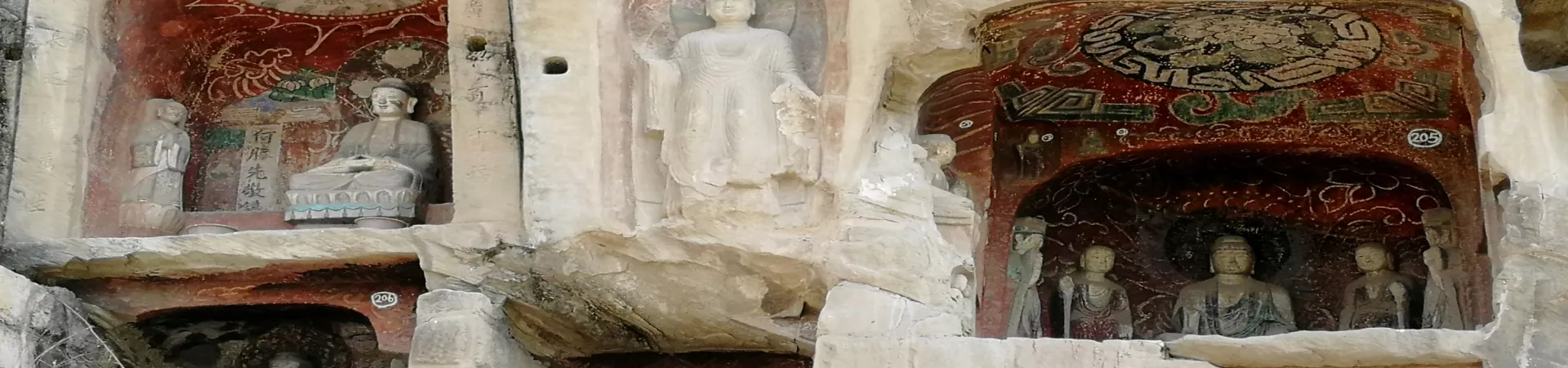
广元千佛崖摩崖造像,位于四川省广元市城北4公里的嘉陵江东岸,古称“金牛道”,是中国古代重要的交通要道之一。千佛崖摩崖造像始凿于北魏晚期,兴盛于唐代,历经西魏、北周、隋、唐、五代、宋、元、明、清等朝代不断开凿和修缮,形成了持续雕刻时间最长、雕刻技艺最精湛、造像内容最丰富的石窟群之一。现存窟龛1192个,造像7000余尊,是中国西南地区最大的摩崖造像群,也是全国重点文物保护单位。
千佛崖摩崖造像的雕刻技艺精湛,内容丰富多样,既有佛教造像,也有道教和儒教造像,体现了中国古代宗教文化的多元融合。其中,最具代表性的窟龛有“大云古洞”、“牟尼阁”、“睡佛龛”、“菩提瑞像窟”等。大云古洞是千佛崖最大的洞窟,内有弥勒佛坐像,高约4米,气势恢宏;牟尼阁内有释迦牟尼佛涅槃像,雕刻细腻,神态安详;睡佛龛中的释迦牟尼佛侧卧像,长达5米,造型优美,栩栩如生;菩提瑞像窟内的菩提树下的释迦牟尼佛像,雕刻精美,寓意深远。
千佛崖摩崖造像不仅具有极高的艺术价值,还承载着丰富的历史文化信息。它见证了古代广元作为交通枢纽和佛教传播中心的重要地位,反映了不同历史时期的社会风貌、宗教信仰和艺术风格。造像的服饰、手势、法器等都体现了当时的文化特色和工艺水平,是研究中国古代宗教、艺术、历史和社会的重要实物资料。
此外,千佛崖摩崖造像所在的自然环境也十分优美。它依山傍水,嘉陵江从崖前蜿蜒流过,山水相依,景色宜人。游客在欣赏造像艺术的同时,也能感受到大自然的鬼斧神工和人文景观的和谐统一。
为了保护这一珍贵的历史文化遗产,中国政府采取了一系列措施,包括加固崖体、修复造像、建设保护设施等,并对外开放,供游客参观学习。千佛崖摩崖造像不仅是广元的文化名片,也是世界文化遗产的重要组成部分,吸引着无数国内外游客和学者前来探访和研究。
Subtitle: A Millennium of Devotion Carved in Stone: The Qianfo Ya (Thousand-Buddha Cliff) Cave Temples of Guangyuan
1. Introduction: A Cliffside Chronicle of Faith and History
Nestled on the eastern bank of the Jialing River, approximately four kilometers north of Guangyuan city in Sichuan Province, lies one of China's most significant and enduring treasure troves of religious art: the Qianfo Ya, or Thousand-Buddha Cliff. This monumental complex of rock-cut niches and caves is situated along the ancient "Golden Oxen Road" (Jinniu Dao), a vital historical artery of the famed Shu Roads system that connected the Central Plains with the Sichuan Basin. More than just a collection of statues, Qianfo Ya represents a continuous, tangible dialogue with the divine, spanning over a millennium. Its creation began in the late Northern Wei Dynasty (around the late 5th century AD), flourished magnificently during the Tang Dynasty, and saw subsequent additions and renovations through the Song, Yuan, Ming, and Qing dynasties, finally concluding in the Qing era. This near-uninterrupted 1,400-year period of artistic activity has yielded an astonishing assembly of 1,192 surviving cave shrines and niches housing over 7,000 individual statues, establishing it as the largest cliff sculpture complex in southwestern China and a National Key Cultural Relics Protection Unit.
2. Artistic and Religious Panorama Across Dynasties
2.1. A Symphony in Stone: Evolution of Style and Craftsmanship
The carvings at Qianfo Ya serve as a masterclass in the evolution of Chinese Buddhist sculpture. The earliest Northern Wei works are characterized by a certain austere elegance and slender, ethereal figures, reflecting Central Asian influences. As the site developed through the Sui and into the glorious Tang era, the style transformed dramatically. Tang sculptures here embody the period's quintessential ideals: robust, full-bodied forms with serene, lifelike expressions, fluidly draped garments, and a palpable sense of inner peace and majestic grandeur. The craftsmanship reaches its zenith in this period, with meticulous attention to detail in facial features, jewelry, and the intricate patterns of heavenly drapery. Later contributions from the Song and Ming dynasties, while sometimes simpler, add further layers to the site's historical narrative, showcasing changing aesthetic preferences and devotional practices.
2.2. Pantheon in the Rock: Iconic Caves and Masterpieces
Among the labyrinth of caves, several stand out for their scale, artistry, and iconographic importance.
- The Dayun Ancient Cave (大云古洞): As the largest cavern in the complex, it is a breathtaking introduction. It centers on a majestic seated statue of Maitreya, the Future Buddha, rising about 4 meters in height. The figure's commanding presence and the cavern's spaciousness create an atmosphere of profound solemnity.
- The Sakyamuni Nirvana Cave (牟尼阁): This cave presents one of the most poignant scenes in Buddhist art: the Parinirvana, or final passing away, of Sakyamuni Buddha. The reclining figure is rendered with exquisite sensitivity, capturing a state of serene release and eternal peace, inviting contemplation on the Buddha's teachings of impermanence.
- The Sleeping Buddha Niche (睡佛龛): Featuring another magnificent reclining Sakyamuni, this 5-meter-long sculpture is a masterpiece of graceful composition. The flowing lines of the robe and the tranquil repose of the figure demonstrate the Tang sculptors' supreme skill in harmonizing spiritual idealism with naturalistic beauty.
- The Bodhi Auspicious Image Cave (菩提瑞像窟): This cave is notable for its unique depiction of Sakyamuni Buddha seated under the Bodhi tree, the site of his enlightenment. The detailed carving of the tree and the serene posture of the Buddha emphasize the moment of supreme awakening, making it a deeply symbolic and revered spot.
2.3. A Tapestry of Beliefs: Buddhist, Daoist, and Confucian Coexistence
While predominantly Buddhist, Qianfo Ya eloquently testifies to the syncretic nature of traditional Chinese spirituality. Interspersed among the Buddhist pantheon are niches dedicated to Daoist deities and even figures from Confucian lore. This cohabitation within a single sacred space vividly illustrates the historical interaction, mutual influence, and peaceful coexistence of China's "Three Teachings" (Buddhism, Daoism, and Confucianism), offering invaluable insights into the complex religious landscape of medieval China.
3. Historical Significance and Cultural Context
3.1. Witness to a Strategic Crossroads
The location of Qianfo Ya is historically strategic. Guangyuan was a crucial node on the Jin-niu Dao, a lifeline for military campaigns, trade, and cultural exchange between the political heartland and the fertile Sichuan region. The patronage for the cliff carvings came from a diverse array of sponsors: itinerant monks, wealthy merchants, government officials, and local devotees traveling this road. Thus, the site functioned as both a spiritual sanctuary for travelers and a very public display of piety and status, directly linking its existence to the pulse of ancient transportation and commerce.
3.2. An Archive in Stone
Beyond their religious function, the sculptures are a rich historical archive. The evolution of costume, hairstyle, ornamentation, and artistic motif across the caves provides a visual timeline of changing social customs and material culture. Inscriptions found in some caves offer precious data about patrons, dates, and motivations for the donations, serving as primary sources for historical and genealogical research. Collectively, they form an irreplaceable resource for understanding the socio-economic, cultural, and religious history of central China from the 5th to the 18th century.
4. The Visitor Experience: Nature and Heritage in Harmony
4.1. A Picturesque Setting
The impact of Qianfo Ya is magnified by its stunning natural setting. The honeycombed cliff face rises above the serene, jade-green waters of the Jialing River, with lush, forested hills providing a verdant backdrop. This harmonious integration of human artistic achievement with the natural landscape—the "mountain and water" (shan shui) so cherished in Chinese aesthetics—makes a visit here a doubly enriching experience. The journey along the cliff-side walkways offers alternating vistas of exquisite ancient art and tranquil river scenery.
4.2. Conservation and Accessibility
Recognizing its immense value, Chinese authorities have undertaken extensive and ongoing conservation efforts. These include sophisticated engineering projects to stabilize the cliff face, careful cleaning and restoration of eroded sculptures, and the construction of protective shelters and viewing platforms. These measures ensure the preservation of the site for future generations while allowing for public access. Well-maintained walkways and informative signage (often bilingual) guide visitors through the main galleries, making the artistic and historical narratives accessible to all. As a cornerstone of Guangyuan's cultural identity and a significant contributor to the world's Buddhist heritage, Qianfo Ya continues to attract pilgrims, art historians, and travelers seeking a profound connection with China's deep and layered past.