Fenghuangshan Park
Subtitle: A Verdant Sanctuary in the Heart of Guangyuan: History, Nature, and Serenity
1. Introduction to Fenghuang Mountain Park Nestled in the bustling urban center of Guangyuan City in Sichuan Province, Fenghuang Mountain Park stands as a sprawling green lung and a cherished cultural landmark. More than just a city park, it is a historical tapestry, a natural retreat, and a vibrant hub of local life all woven into one. The park derives its name, "Fenghuang" or "Phoenix," from the mountain's resemblance to a spreading phoenix, a mythical bird symbolizing renewal and good fortune in Chinese culture. For centuries, this area has been a place of spiritual significance and natural beauty, evolving from ancient temples and pilgrimage sites into the comprehensive, beloved park it is today. It offers visitors a unique opportunity to step away from the urban rhythm and immerse themselves in an environment where history whispers from ancient trees, spirituality permeates tranquil temples, and panoramic views reward the leisurely climb.
2. A Journey Through Time: Historical and Cultural Layers The soul of Fenghuang Mountain Park is deeply rooted in its long and layered history, primarily centered around Buddhism.
2.1. The Heart of the Park: Phoenix Tower and Its Legacy The most iconic structure, the Phoenix Tower (Fenghuang Lou), sits atop the main peak. While the current tower is a modern reconstruction, its origins trace back over a thousand years. It was originally built during the Tang Dynasty, with legends suggesting a connection to Empress Wu Zetian, who was born in nearby Lizhou (modern-day Guangyuan). The tower has been destroyed and rebuilt several times throughout history, each iteration serving as a watchtower, a poetic inspiration, and a symbol of the city. Today's multi-storied pavilion offers the park's most commanding views and serves as a physical link to Guangyuan's ancient past.
2.2. Ancient Buddhist Sanctuaries: Huangze Temple and Dabao Temple Scattered across the mountain slopes are ancient temples that attest to the site's enduring religious importance. Huangze Temple is the most famous and historically significant. Originally established during the Northern Wei Dynasty, it is dedicated to Princess (or Empress) Wu Zetian. The temple complex houses several halls, ancient stone carvings, and steles. While the historical accuracy of Wu Zetian's personal connection to this specific temple is debated, it remains a focal point of cultural reverence and a fascinating site for understanding local lore and Buddhist art history.
Another significant site is Dabao Temple, located on the northern slope. Founded in the early Tang Dynasty, it is known for its serene atmosphere and its historic stone Buddha statues. These tranquil compounds, with their incense-filled halls and ancient architecture, provide spaces for quiet contemplation amidst the park's more active areas.
2.3. A Modern Monument: The Soviet Air Volunteers Memorial Adding a poignant 20th-century layer to the park's history is a memorial dedicated to the Soviet air volunteers who fought alongside China against Japanese invasion during World War II. Several pilots who died in the region are commemorated here, reminding visitors of Guangyuan's role in broader historical conflicts. This monument adds a unique international dimension to the park's narrative.
3. The Visitor Experience: Landscapes, Activities, and Vistas Fenghuang Mountain Park is designed for exploration and enjoyment, offering a variety of experiences for different types of visitors.
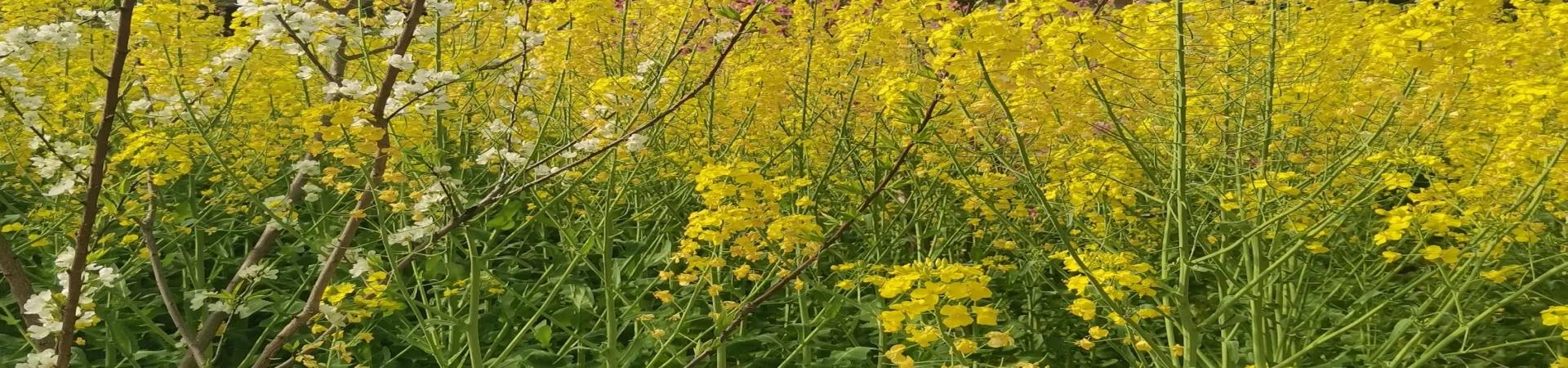
3.1. Trails, Gardens, and Natural Features A network of well-paved paths, stone steps, and shaded trails crisscrosses the park, making it accessible for both brisk walks and leisurely strolls. The vegetation is lush, featuring a mix of native pines, cypresses, bamboo groves, and carefully maintained gardens that bloom with color in spring and summer. The mountain's topography creates a pleasantly cool microclimate, especially welcome during warmer months. Key natural and landscaped features include: * Ancient Trees: Several centuries-old trees, often marked with signs, stand as silent witnesses to history. * Ornamental Gardens: Seasonal flower displays and traditional Chinese landscaping elements are found throughout the lower and middle slopes. * Ponds and Pavilions: Scattered ponds and classic Chinese pavilions offer picturesque rest stops and photo opportunities.
3.2. Panoramic Vistas and City Views The primary reward for ascending the mountain is the spectacular panoramic view. From various viewpoints, especially from the Phoenix Tower, visitors can enjoy breathtaking scenes of: * The entire city of Guangyuan unfolding below, with the Jialing River winding through the urban landscape. * The surrounding mountain ranges that characterize northern Sichuan's dramatic topography. * A stunning perspective during sunrise or sunset, when the city lights begin to twinkle.
3.3. A Hub for Local Life On any given day, especially in the mornings and evenings, the park is alive with the energy of local residents. It is a communal living room where people practice tai chi, dance in groups, sing opera, play chess, or simply socialize. This vibrant local atmosphere gives tourists an authentic glimpse into the daily life and social culture of Guangyuan.
4. Practical Information for Visitors To ensure a smooth and enjoyable visit, here is essential practical information.
4.1. Location and Access Fenghuang Mountain Park is located in the central Lizhou District of Guangyuan City. It is highly accessible: * By Public Transport: Multiple city bus lines have stops near the main entrances. * By Taxi/Rideshare: A convenient and inexpensive option from anywhere in the city center. * On Foot: Easily reachable from many downtown hotels.
4.2. Admission and Opening Hours One of the park's greatest advantages is its accessibility. * Admission Fee: There is no entrance fee for the main park area. It is a free public space open to all. * Opening Hours: The park grounds are open 24 hours a day, every day of the year. However, access to interior spaces of specific cultural sites like Huangze Temple or the Phoenix Tower may have separate, limited operating hours (typically around 8:00 AM to 6:00 PM) and may require a small separate ticket.
4.3. Tips for an Optimal Visit * Footwear: Comfortable walking shoes are essential due to the mountainous terrain and numerous steps. * Pacing: The climb to the summit is moderate but can be strenuous for some. Take your time and utilize the many rest areas. * Facilities: Basic amenities like restrooms and small kiosks selling drinks and snacks are available at key points. * Combined Itinerary: The park can easily be combined with a visit to other nearby attractions in Guangyuan, such as the Thousand-Buddha Cliff or the Jianmen Pass area, to form a full day of cultural and historical exploration.