Cuiyun Corridor
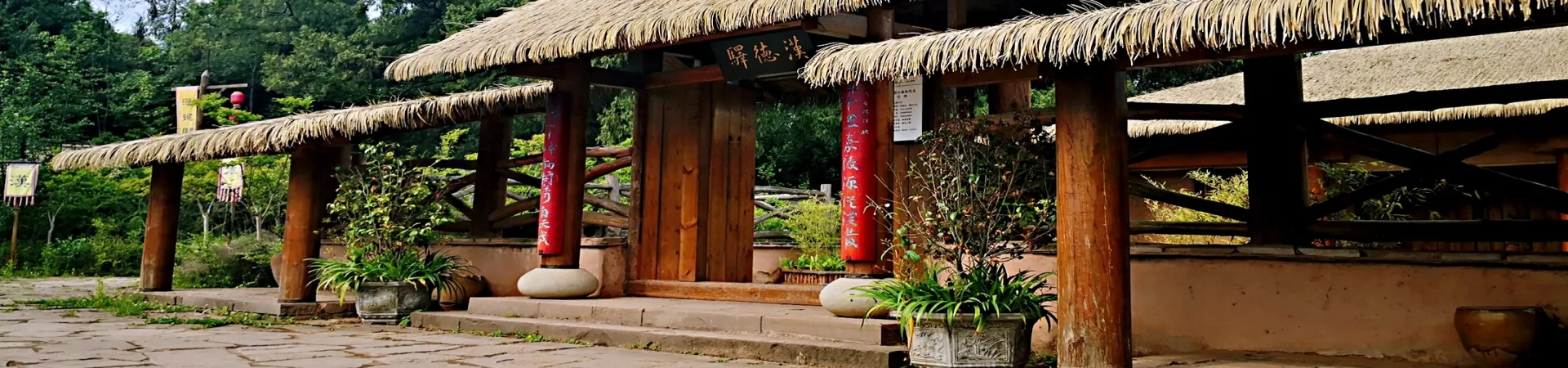
Subtitle: A Journey Through Time Along the Ancient Cypress Corridor
Introduction: The Living Legend of Cuiyunlang Nestled within the rugged landscapes of Guangyuan in Sichuan Province, China, lies a breathtaking natural and historical marvel known as Cuiyunlang, or the "Green Cloud Corridor." Often poetically called the "Imperial Cypresses" or "Zhangfei Cypresses," this is not merely a forest but a living monument—an ancient, meticulously planted avenue of nearly ten thousand towering, verdant cypress trees. Stretching for over 150 kilometers along the timeworn post roads of Jiange County, this green ribbon winds through rolling hills and deep ravines like a colossal emerald dragon. Despite centuries of weathering the elements, the corridor remains vibrantly alive, standing as a rare, human-crafted ecosystem of ancient roadway trees. Recognized globally as a phenomenal wonder, it is revered as the very soul of the historic Shu Roads, the ancient network of paths that connected the Sichuan basin to the rest of China.
1. Historical Tapestry and Cultural Significance 1.1. Roots in the Shu Dao The story of Cuiyunlang is inextricably linked to the legendary Shu Dao. These formidable roads, carved through the treacherous Qinling and Daba Mountains, were vital for communication, trade, and military movements for over two millennia. Planting trees along these routes served practical purposes: providing shade for travelers and soldiers, stabilizing the roadbeds, and serving as road markers in fog and snow.
1.2. Legends and Stewardship While the corridor's creation spans several dynasties, the most enduring legends attribute its expansion to Zhang Fei, the fierce and loyal general of the Three Kingdoms period (220-280 AD). It is said that his troops planted countless cypresses to shade their march, giving rise to the name "Zhangfei Cypresses." Historical records, however, point to organized, large-scale plantings and protections during the Qin, Han, Tang, and especially the Ming dynasties, where official decrees mandated the planting and preservation of these trees, treating their damage as a punishable offense.
2. The Immersive Experience: A Walk Through History 2.1. The Central Route and Key Sections The corridor radiates from Jiange County town, extending east to Langzhong, west to Zitong, and north to Zhaohua. The most accessible and renowned sections for visitors are concentrated near Jiange, often explored in conjunction with the nearby Jianmen Pass. Walking its paths is a multisensory journey. The air is cool and fragrant, filtered through a dense canopy that dapples the ancient stone flagstones with sunlight. The silence is profound, broken only by birdsong and the whisper of wind through countless leaves.
2.2. Encountering the Ancient Giants Each tree is a unique individual with its own character. Some soar straight towards the sky, while others twist and turn with dramatic, gnarled roots and branches shaped by centuries. Many are given descriptive names based on their shapes, such as "Lovers Cypress" or "General Cypress." Their thick, textured bark and resilient spirit are a direct, tangible connection to the countless caravans, poets, soldiers, and officials who passed beneath them.
3. Practical Visitor Information 3.1. Tickets and Operating Hours * Ticket Price: * Standard Ticket: 40 RMB for adults. * Concession Ticket: 20 RMB for children, students (with valid ID), and seniors. * Opening Hours: * Summer (June 1 - August 31): 08:00 - 17:00 (last entry at 16:30). * Winter (December 1 - February 28): 08:30 - 17:30 (last entry at 17:00). * Important Notes: * On March 8th (International Women's Day), female visitors enjoy free admission to Cuiyunlang, Jianmen Pass, and Shuangqi Mei Village. * Seniors aged 60 and above (on non-statutory holidays) can enter free of charge upon presentation of a Senior Citizen Certificate or ID card.
3.2. Planning Your Visit * Suggested Duration: Allocate 1 to 3 hours to fully appreciate a section of the corridor. A leisurely walk allows for photography, contemplation, and simply soaking in the atmosphere. * Best Time to Visit: Spring and autumn offer the most pleasant weather. Summer provides deep, cool shade, while winter offers a stark, beautiful perspective of the ancient trunks against the landscape. * Contact: For the latest information, you may contact: 0839-6750978 or 0839-6750331.
4. Preservation and Lasting Legacy 4.1. A Protected Cultural Landscape Today, Cuiyunlang is a protected cultural relic and a testament to early environmental consciousness. It represents one of the world's oldest and most extensive living examples of planned roadside afforestation. The preservation efforts ensure that this "world wonder" continues to thrive, maintaining its ecological and historical integrity.
4.2. More Than Just Trees Ultimately, a visit to Cuiyunlang transcends a simple nature walk. It is a pilgrimage into China's layered past. To stand under these silent sentinels is to witness living history, to walk the same shaded path as Tang dynasty poets, Three Kingdoms warriors, and Silk Road merchants. It is a powerful reminder of humanity's capacity to shape nature not just for utility, but to create legacy and beauty that endures for generations, making it an indispensable experience for any traveler seeking the profound depths of Sichuan's heritage.