Yankou Ancient Town
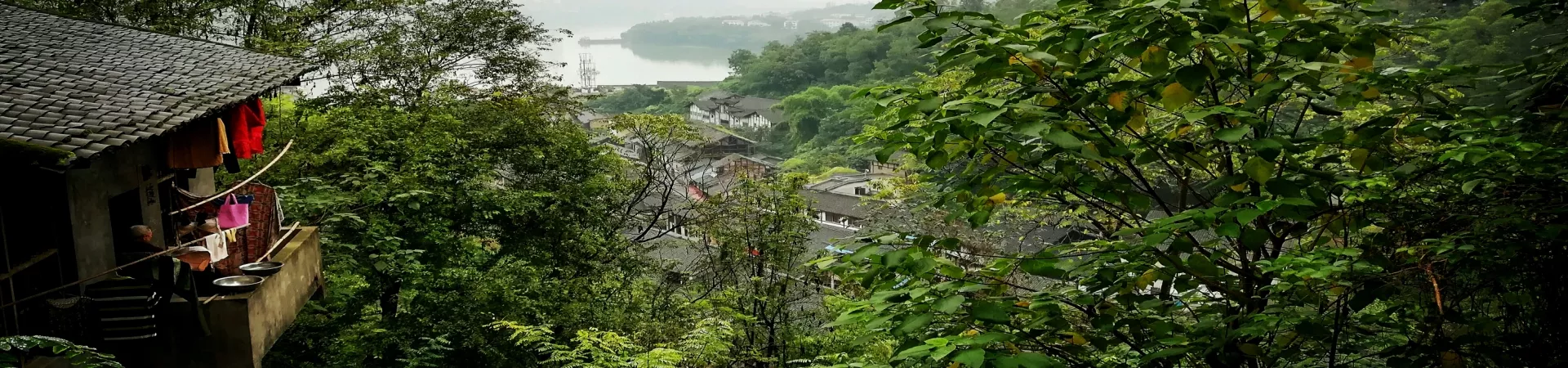
Subtitle: A Journey Through Time in Sichuan's Riverside Gem
1. Introduction: The Soul of the Jialing River
Nestled on the picturesque northern bank of the serene Jialing River, in the heart of Wusheng County, Guang'an City, Sichuan Province, lies the ancient town of Yankou. More than just a destination, Yankou is a living, breathing chronicle of history, a beautifully preserved tapestry woven from centuries of commerce, culture, and community. Unlike many overly commercialized ancient towns, Yankou retains an air of authentic, unassuming charm, inviting visitors to step off the beaten path and into a slower, more contemplative rhythm of life. Its strategic location as a vital historical port on the Jialing River shaped its destiny, transforming it into a bustling hub for trade and transportation. Today, the town whispers tales of its prosperous past through its unique architectural heritage, its tranquil riverside ambiance, and the enduring spirit of its local residents. A visit to Yankou is not merely sightseeing; it is an immersive experience in the cultural and historical landscape of eastern Sichuan, offering a profound sense of connection to China's rich and enduring past.
2. Historical Significance and Architectural Heritage
2.1. A Hub of Commerce and Culture Yankou's history is intrinsically linked to the Jialing River, a major tributary of the mighty Yangtze. For centuries, the river served as the region's economic lifeline, and Yankou flourished as a critical port. During the Ming (1368-1644) and Qing (1644-1912) dynasties, the town reached its zenith, with merchant vessels crowding its wharves, transporting goods like salt, grain, silk, and local produce. This constant flow of people and commodities fostered a vibrant, multicultural atmosphere and brought considerable wealth, which is reflected in the town's substantial and elegant architectural legacy.
2.2. Architectural Tapestry: A Walk Through Dynasties The most captivating aspect of Yankou is its exceptionally well-preserved collection of traditional architecture, predominantly from the Qing Dynasty and the early Republican period. The town's layout follows the natural contours of the riverside, with its main streets and alleys meandering organically.
- The Iconique Overhanging Stilted Buildings (Diaojiaolou): The town's most distinctive architectural feature is its rows of stilted buildings, known as diaojiaolou. These structures are ingeniously built on wooden or stone pillars driven into the riverbank's slope, creating the illusion that they are "hanging" over the water. This design served practical purposes: conserving precious flat land, providing natural cooling from the river, and offering direct access for loading and unloading boats from the rear of the buildings. Walking along the riverside path beneath these towering, interconnected wooden complexes is a truly unforgettable experience.
- Ancient Streets and Courtyard Houses: The main commercial street, paved with worn flagstones, is lined with continuous rows of shop-front buildings. These structures typically feature charming upturned eaves, intricately carved wooden window frames, and tall, movable wooden panel doors. Behind these shopfronts often lie deep, multi-courtyard residential complexes (siheyuan), where families lived and worked. The seamless integration of commercial and residential spaces offers a genuine glimpse into the daily life of a historical mercantile community.
- Cultural Landmarks: Scattered throughout the town are significant cultural sites that speak to its historical importance. These include ancient temples like the Wanshou Palace or Yuwang Palace, which served as centers for community gathering and spiritual life for merchants and locals alike. Furthermore, remnants of old guildhalls (huiguan)—established by merchant groups from different regions—testify to the town's role as a regional commercial crossroads.
3. Experiencing Yankou: Sights, Sounds, and Flavors
3.1. The Riverside Ambiance The essence of Yankou is best absorbed through leisurely exploration. Begin your journey along the ancient wharf, where stone steps worn smooth by countless footsteps descend into the river. From here, embark on a stroll down the riverside walkway, the perfect vantage point to admire the majestic stilted buildings and watch local fishermen tend to their boats. The gentle lapping of water against the pillars and the slow pace of life here have a remarkably calming effect.
3.2. A Culinary Journey Yankou's history as a port town has also influenced its culinary scene. The local cuisine is a highlight, characterized by robust flavors of Sichuan, with an emphasis on fresh river fish.
- Must-Try Delicacies: The undisputed star is Yankou Braised Carp. Fresh carp from the Jialing River is braised in a rich, aromatic sauce infused with soy sauce, ginger, garlic, and local spices, resulting in tender, flavorful flesh. Other specialties include Wusheng Beef, known for its thin slicing and spicy marinades, and various homemade pickles and fermented bean dishes that showcase traditional preservation methods.
- Teahouse Culture: No visit is complete without spending time in one of the old-fashioned teahouses. These are social hubs where locals gather to play mahjong, chat, and enjoy simple pots of tea. Sitting in a bamboo chair by the window, sipping tea, and observing the unhurried flow of town life is an integral part of the Yankou experience.
3.3. Local Life and Artisanal Crafts As you wander the narrow "Alley of Peace" (Taiping Xiang) and other lanes, you'll encounter residents going about their daily routines—elderly artisans practicing traditional crafts, shopkeepers airing out their wares, and neighbors sharing conversations. Look for small workshops where you might find handmade bamboo ware, traditional ironware, or locally produced condiments. Engaging with the friendly locals, though perhaps requiring a bit of gesture and smile, often leads to the most memorable interactions.
4. Practical Information for Visitors
4.1. Location and Accessibility Yankou Ancient Town is located in Wusheng County, approximately 30-40 kilometers from the central urban area of Guang'an City. The journey by road takes about 1 to 1.5 hours. Visitors can reach Guang'an via high-speed rail or long-distance bus from major cities like Chongqing or Chengdu, and then transfer to a local bus or taxi for the trip to Wusheng County and onward to the ancient town.
4.2. Opening Hours and Admission A significant advantage for visitors is the town's accessibility. The ancient town's lanes, streets, and riverside areas are open to the public全天开放 (all day, 24 hours). There is no gate or restricted entry time for the town itself, allowing for maximum flexibility in planning your visit. Please note that while public areas are always open, specific historical buildings, temples, or museums within the town may have their own operating hours (typically around 9:00 AM to 5:00 PM) and may require a separate, modest admission fee. It is advisable to check on-site for these individual venues.
4.3. Suggested Itinerary and Tips A well-paced visit to Yankou typically requires 4-6 hours. A recommended itinerary would include a morning arrival to explore the ancient streets and architectural highlights, followed by a leisurely lunch at a local restaurant to sample the braised carp. The afternoon can be spent visiting specific cultural sites, relaxing in a teahouse, and taking a final stroll along the river as the light softens. For an extended experience, consider combining your trip with a visit to other attractions in the Guang'an area, most notably the former residence of Deng Xiaoping in nearby Xiexing Town. As the town preserves its original stone-paved paths, comfortable walking shoes are essential. While basic amenities are available, carrying water and cash (for small vendors and teahouses) is recommended.