Yu Gutai
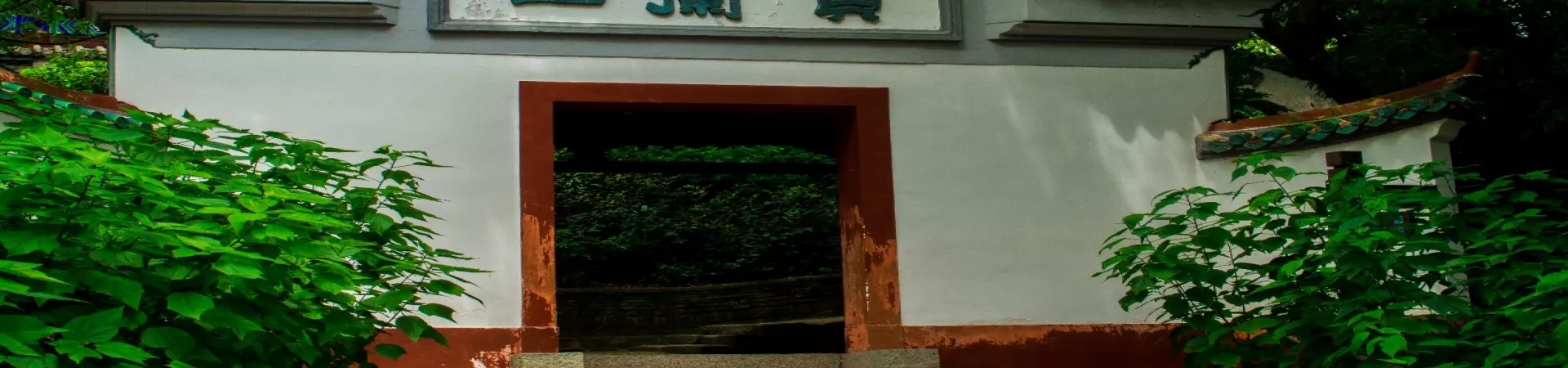
Subtitle: A Solitary Sentinel Overlooking Centuries: Discovering Yugu Pavilion in Ganzhou
1. Introduction: The Lone Guardian of Ganzhou Perched atop He Lan Mountain (also locally known as Tianluo Ling, or Snail Hill) in the northwestern part of Ganzhou city, Jiangxi Province, stands Yugu Pavilion, a structure whose very name evokes its character. "Yugu" translates to "Lush and Solitary," a fitting description for this pavilion that rises from the summit at an altitude of approximately 131 meters, making it the highest vantage point in the urban center. More than just a scenic spot, it is a silent witness to history, a cultural landmark deeply intertwined with the Song Dynasty legacy of Ganzhou. Its elevated position offers not just panoramic views but a profound connection to the ancient city walls that snake past its base, weaving together natural beauty and historical narrative into a single, compelling destination.
2. Historical Significance and Cultural Status 2.1 A Name Born from the Landscape The origin of its name, "Yugu," is directly derived from its geographical setting. The pavilion crowns a high mound ("Gu" meaning solitary prominence) that is richly covered in verdant foliage ("Yu" meaning lush or dense). This solitary and lofty stance above the surrounding landscape has captured the imagination for centuries, giving the site its enduring identity.
2.2 A Tangible Link to the Song Dynasty Yugu Pavilion's historical importance is inextricably linked to the magnificent Song Dynasty古城墙 (Ancient City Wall) that passes below it. This wall, one of the best-preserved in China, represents the military and architectural prowess of the Song era. The pavilion, acting as a watchtower or poetic retreat, formed an integral part of the city's ancient defensive and cultural landscape. Gazing from the pavilion down upon the weathered, crenelated walls is to witness a continuous thread of history stretching back nearly a thousand years.
2.3 Official Recognition and Preservation In recognition of its immense cultural value, Yugu Pavilion has been designated a municipal-level cultural relics protection unit. Furthermore, in December 1985, it was listed among the first batch of provincial-level key scenic spots in Jiangxi Province. These designations underscore its status as a treasured heritage site, ensuring its preservation for future generations while highlighting its central role in the region's cultural and tourist offerings.
3. The Visitor Experience: What to See and Feel 3.1 Architectural Ambiance and Panoramic Vistas While the current structure reflects renovations over time, it maintains the traditional Chinese pavilion aesthetic, offering a sheltered space for contemplation. The primary allure, however, lies in the breathtaking 360-degree panorama. To the south and east, the modern city of Ganzhou unfolds, with the majestic Gong River and Zhang River converging in the distance. To the north and west, the view encompasses the ancient wall winding over the hills and the lush, rolling countryside. This juxtaposition of old and new, urban and natural, is particularly striking at sunset or under the evening lights.
3.2 A Literary and Poetic Legacy Yugu Pavilion is hallowed ground in Chinese literary history, most famously associated with the renowned Southern Song dynasty poet Xin Qiji. During his posting in Ganzhou, he penned the celebrated poem "Bodhisattva Barbarian: Writing on the Wall of Yugu Pavilion" (Pu Sa Man: Shu Jiangxi Zao Kou Bi). The opening line, "孤台下清江水" (The clear river waters below the solitary tower), immortalized the pavilion's melancholic and majestic atmosphere, embedding it forever in the canon of Chinese poetry. Visitors often ascend with these verses in mind, adding a layer of poetic resonance to the physical sight.
3.3 Integration with the Ancient City Wall A visit to Yugu Pavilion is rarely isolated. It serves as the perfect starting or culminating point for an exploration of the Song Dynasty City Wall. One can descend from the hilltop and walk directly onto the broad, ancient flagstones of the wall, tracing the path of soldiers and scholars from centuries past. This seamless connection allows for an immersive historical experience, where the pavilion is the crown and the walls are the enduring body of Ganzhou's ancient defenses.
4. Practical Information for Planning Your Visit 4.1 Admission Fee One of the most appealing aspects of Yugu Pavilion is its accessibility: Admission is completely free of charge. This open-door policy encourages both locals and travelers to engage with this cultural treasure without barrier.
4.2 Opening Hours The site is open to the public daily throughout the year. * Operating Hours: 09:00 - 21:30 (All day) * Last Admission Time: 21:00 It is highly recommended to time your visit for late afternoon, allowing you to experience the changing light over the city and witness the transition from day to night, when the pavilion and the walls are beautifully illuminated.
4.3 Location and Access Yugu Pavilion is located on the summit of He Lan Mountain (Tianluo Ling) in the northwestern section of Ganzhou's city center. It is easily reachable by taxi, ride-hailing services, or public bus from various points in the city. The final approach involves a short, scenic walk up the hill, which heightens the sense of anticipation and discovery.