Tongtianzhai Scenic Area
A Visitor's Guide to Tongtianzhai Scenic Area, Ganzhou, Jiangxi
Introduction: A Realm of Danxia Wonders and Ancient Legends
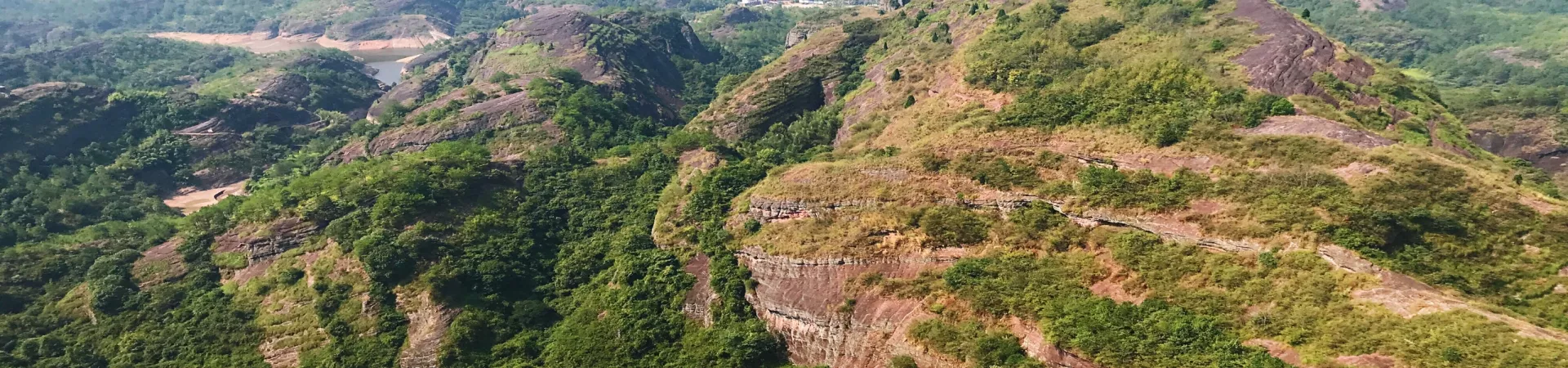
Nestled within the verdant landscapes of Shicheng County, in the southern Chinese city of Ganzhou, Jiangxi Province, lies the Tongtianzhai Scenic Area—a spectacular testament to the artistic power of nature. This geological park, centered around the majestic Tongtianzhai (literally "Sky-Reaching Fortress") Mountain, is a premier destination for experiencing the awe-inspiring Danxia landform. Characterized by its striking red sandstone cliffs, peculiar rock pillars, deep caves, and lush vegetation, Tongtianzhai offers more than just scenic beauty; it is a place where dramatic geology intertwines with rich Buddhist heritage and local Hakka culture, creating a multifaceted journey for every visitor.
1. Geological Marvels: The Sculptures of Time
The core appeal of Tongtianzhai lies in its extraordinary Danxia topography, millions of years in the making. Erosion has carved the red sandstone into a surreal outdoor gallery of natural sculptures.
1.1. Iconic Formations and Viewpoints * The Great Buddha at the Mountain's Foot: Perhaps the most famous formation, this colossal natural rock profile resembles a serene, reclining Buddha gazing skyward. It is a symbol of the area and a masterpiece of natural sculpture. * The Turtle Peak: A remarkably lifelike rock pillar that mimics a giant turtle climbing the mountain ridge, embodying longevity and perseverance in local lore. * The Sea of Clouds & Sunrise Vista: A climb to the summit, especially at dawn, is often rewarded with a breathtaking sea of clouds enveloping the peaks below. The viewing platform offers a panoramic spectacle of the rugged red rock forest against a backdrop of endless greenery.
1.2. Unique Erosional Features Beyond the major landmarks, the landscape is dotted with fascinating features: narrow cliffside pathways, naturally formed arches, and countless caves and alcoves of varying sizes. These formations invite exploration and provide constant, surprising frames for the surrounding beauty.
2. Cultural and Historical Tapestry
Tongtianzhai is not merely a natural wonder; human history has left a profound imprint here, adding layers of spiritual and cultural significance.
2.1. A Sanctuary of Buddhism For centuries, Tongtianzhai has been a sacred Buddhist site. The most significant cultural relic is the Tongtian Rock Temple. Built directly into a colossal cave within the cliff face, this temple is an architectural marvel that blends seamlessly with its environment. The main hall, enshrining statues of the Buddha, is naturally sheltered by the overhanging rock, creating an atmosphere of profound tranquility and spiritual refuge. The temple's history and its integration with the cave make it a unique and must-visit site within the scenic area.
2.2. Echoes of the Hakka Legacy The region surrounding Tongtianzhai is part of the traditional Hakka heartland. While the scenic area itself focuses on natural and Buddhist heritage, the influence of Hakka culture is palpable in the nearby villages. The resilient and communal spirit of the Hakka people, known for their distinctive fortified circular houses (Tulou), forms the cultural context of this part of Jiangxi. A visit to Tongtianzhai can be wonderfully complemented by exploring the local Hakka communities to gain a fuller understanding of the region's human geography.
3. Practical Information for Your Visit
To ensure a smooth and enjoyable experience, here are the essential details for planning your trip to Tongtianzhai Scenic Area.
3.1. Opening Hours and Admission * Operating Hours: The scenic area's opening times vary seasonally. * Peak Season (June 1 - August 31): 08:30 - 17:30 (Last entry at 17:30). * Off-Peak Season (December 1 - February 28/29): 08:30 - 17:00 (Last entry at 16:30). * Ticketing: Standard admission fees apply. It is highly recommended to check the latest prices and purchase tickets through official channels or at the visitor center. * Special Notes (Historically Relevant Policies): In the past, the park has implemented special promotional policies. For instance, a "Student Benefits" program once allowed national primary and secondary school students, postgraduates, and graduating students to enjoy one free visit per person per scenic spot with advance online reservation. Similarly, teachers and medical workers were once eligible for free admission upon presenting valid professional certificates. Visitors should verify the current validity of any such policies for the year of their visit through official announcements.
3.2. Contact Information * Telephone: +86-797-5733177. For the most accurate and real-time information regarding weather conditions, trail accessibility, or special events, calling this number during business hours is advisable.
4. Experiencing Tongtianzhai: Tips and Highlights
A visit to Tongtianzhai involves a fair amount of walking and climbing, but the rewards are immense.
4.1. The Hiking Experience Well-maintained stone steps and walking paths wind through the core scenic zones. The hike to the summit is moderately challenging but suitable for most visitors of average fitness. Comfortable, non-slip walking shoes are absolutely essential. The journey itself is part of the attraction, with new vistas and curious rock formations around every bend.
4.2. Recommended Itinerary A typical visit lasts 4-6 hours. A suggested route is to start from the main entrance, visit the iconic "Buddha at the Foot" formation, then proceed to explore the Tongtian Rock Temple nestled in its cave. From there, begin the ascent towards the summit, stopping at various viewing platforms to appreciate the "Turtle Peak" and other shapes. Reaching the top for a panoramic view serves as a fitting climax before descending via a different path to complete a loop.
4.3. Best Time to Visit Spring (April-May) and Autumn (September-October) offer the most pleasant weather, with comfortable temperatures and clear skies ideal for hiking and photography. Early mornings on clear days provide the best chance to witness the magical sea of clouds. The summer landscape is lush but can be hot and rainy, while winter offers crisp air and potentially thinner crowds, though some paths may be slippery.