Sanbai Mountain Hot Spring Scenic Area
Subtitle: A Journey to the Source: Discovering Sanbai Mountain Hot Spring Scenic Area
Introduction: The Origin of a River and a Sanctuary
Nestled within the southeastern border of Anyuan County, Ganzhou City, in Jiangxi Province, lies a landscape of profound ecological and cultural significance: the Sanbai Mountain Hot Spring Scenic Area. This area, formerly known as the Sanbai Mountain National Nature Reserve, is not merely a collection of peaks but the revered birthplace of the Dongjiang River. This river is a vital water source, ultimately flowing to supply regions including Hong Kong. Thus, a visit here is a pilgrimage to an origin point, where pristine nature, therapeutic waters, and a sense of quiet reverence converge. The scenic area masterfully blends protected forest ecosystems with developed hot spring facilities, offering a retreat that rejuvenates both body and spirit amidst some of Jiangxi's most beautiful and unspoiled mountain scenery.
Section 1: The Natural Tapestry and Ecological Significance
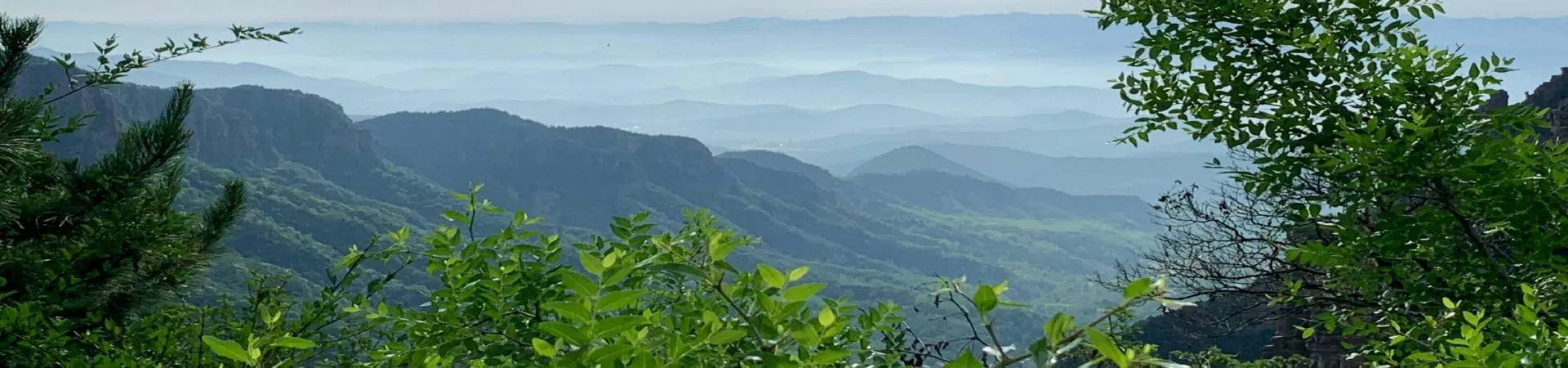
1.1 A Protected Mountain Realm The core of the experience is the majestic Sanbai Mountain range itself. The area encompasses a vast national nature reserve, characterized by dense, subtropical evergreen broad-leaved forests. Visitors can explore a world of towering ancient trees, delicate orchids, and vibrant rhododendrons that paint the slopes with color in season. The air is notably fresh, filled with the scent of pine and earth, and the constant symphony of birdsong and flowing water provides a natural soundtrack. Numerous well-maintained hiking trails wind through this verdant paradise, leading to breathtaking viewpoints, hidden waterfalls, and serene pools. Key natural attractions often include the Source of Dongjiang Waterfall, a symbolic and powerful site marking the river's emergence, and the Forest Sea, an expansive, tranquil woodland perfect for mindful walks.
1.2 The Life-Giving Dongjiang River Source Understanding the scenic area's role as the headwater of the Dongjiang River adds a deep layer of meaning to the visit. The protected forests act as a massive natural "water tower," filtering and collecting rainfall that seeps into the ground to form countless springs. These converge to become the initial streams of the Dongjiang. This ecological function is paramount, ensuring the purity and sustainability of the water that millions depend on downstream. Educational displays and guided tours often highlight this crucial environmental story, fostering an appreciation for conservation and the interconnectedness of natural systems.
Section 2: The Therapeutic Hot Spring Experience
2.1 Geothermal Blessings and Pool Variety The region's geological activity gifts it with abundant geothermal resources. The hot springs here are renowned for their clear quality and rich mineral content, including elements like sulfur, lithium, and strontium, believed to offer various therapeutic benefits such as improving circulation, relieving muscle tension, and promoting skin health. The developed hot spring zone features a diverse array of over dozens of pools artfully integrated into the landscape. Guests can soak in pools of varying temperatures, from invigoratingly cool to deeply relaxing hot. Themed pools may include herbal infusion pools, wine pools, coffee pools, and fish therapy pools, providing a fun and varied soaking experience.
2.2 Immersive Relaxation in Nature The design philosophy emphasizes harmony with the surroundings. Many pools are nestled amongst rocks, bamboo groves, or overlook forested valleys, allowing bathers to immerse themselves in warm, soothing waters while listening to the rustle of leaves and breathing in the crisp mountain air. The contrast between the cool climate of the highlands and the warmth of the springs is particularly delightful. Whether under the sun, amidst a light mist, or under a canopy of stars, the hot spring experience here is fundamentally about reconnecting with nature's restorative rhythms.
Section 3: Practical Visitor Information
3.1 Admission and Ticketing The scenic area operates with two main ticket categories: one for general park entry and hiking, and another specifically for the hot spring facilities. * Scenic Area Entrance Ticket: Approximately 149 RMB per person. This ticket grants access to the hiking trails, forest parks, waterfalls, and the Dongjiang source site. It is valid year-round. * Hot Spring Experience Ticket: Priced differently on weekdays and weekends. A standard weekday (Monday-Friday) ticket is around 128 RMB, while a weekend (Saturday-Sunday) ticket is approximately 138 RMB. These prices are subject to change, and checking for seasonal promotions is advisable. * Special Notes: Children under 1.2 meters in height can typically enter the hot spring area for free when accompanied by a paying adult. All children must be supervised by an adult at all times within both the scenic area and the hot spring pools for safety.
3.2 Operating Hours and Contact The hot spring facility is open daily from 09:00 to 23:00, with the last admission at 22:00. The broader scenic area's hiking trails generally follow daylight hours. It is recommended to allocate a full day to enjoy both the natural walks and a lengthy, relaxing hot spring session. For the most current information, inquiries, or to make reservations, visitors can contact the scenic area directly at 0797-3708888.
Section 4: Enhancing Your Visit
4.1 Suggested Itineraries A one-day itinerary could start with a morning hike along a moderate trail to visit key natural landmarks like the Dongjiang Source, returning to the resort area for lunch. The afternoon and evening can then be dedicated entirely to enjoying the various hot spring pools as the mountain temperatures dip. For a more immersive retreat, consider an overnight stay at one of the on-site hotels or lodges, which often offer convenient package deals combining accommodation and unlimited hot spring access, allowing for multiple soaking sessions.
4.2 Travel Tips and Preparation * Best Time to Visit: The area offers distinct charms throughout the year. Spring brings blooming flowers, autumn offers crisp air and colorful foliage, and winter provides the magical experience of soaking in hot springs surrounded by cool, sometimes frosty, mountain air. Summer is pleasant for forest hikes to escape the lowland heat. * What to Bring: Swimsuit, robe (often provided by hotels), slip-resistant sandals, a change of clothes, sunscreen for daytime hikes, and a warm layer for the cooler mountain evenings. * Health and Safety: As with all hot spring visits, it is advised to limit soaking time, stay hydrated by drinking water, and avoid the pools immediately after a heavy meal or if feeling unwell. The mineral-rich water can be slippery, so moving carefully around pool edges is essential.