Ruijin Central Revolutionary Base Historical Museum
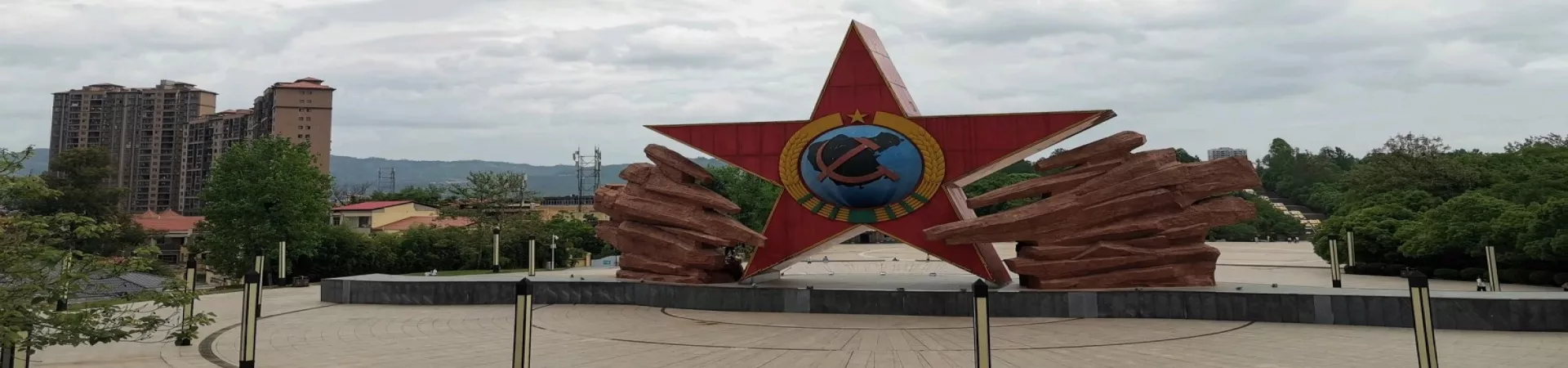
A Comprehensive Guide for Visitors: Ruijin Central Revolutionary Base Museum
Nestled in the historic city of Ruijin, Jiangxi Province, the Ruijin Central Revolutionary Base Museum stands as a monumental tribute to a pivotal chapter in modern Chinese history. This institution is far more than a simple repository of artifacts; it is a profound journey into the heart of the Chinese Soviet Republic (1931-1934), the embryonic form of the People's Republic of China. For any visitor seeking to understand the origins, struggles, and spirit of the Chinese revolution, this museum offers an unparalleled, immersive experience. The following guide provides essential information and a detailed overview to help you plan a meaningful and insightful visit.
I. Essential Visitor Information
Before embarking on your historical exploration, it is crucial to note the practical details for a smooth visit.
- Contact Number: +86-797-2508558
- This number can be used for general inquiries or to confirm specific details about exhibitions or group visits.
- Operating Hours:
- Tuesday to Sunday: 08:40 - 16:30 (Last admission at 16:30).
- Monday: Closed all day (except for public holidays which may fall on a Monday; confirmation via phone is advised).
- It is highly recommended to allocate a minimum of 2 to 3 hours to fully appreciate the extensive collections and narratives presented across the museum's halls.
II. Historical Significance and Architectural Context
To fully appreciate the museum's collections, one must first understand the profound historical ground upon which it stands.
A. Ruijin: The "Red Capital" In the early 1930s, following the Jiangxi Soviet's expansion, Ruijin was designated as the capital of the Chinese Soviet Republic. It served as the political, military, and cultural center for the Communist-led revolution, hosting landmark events such as the First and Second National Congresses of the Chinese Soviet. The city itself is an open-air museum, dotted with revolutionary sites, making the museum the central node for contextualizing these scattered historical landmarks.
B. The Museum's Mission and Design The museum's architecture and layout are deliberately designed to evoke the era it represents. Through a combination of traditional exhibition spaces, life-sized dioramas, multimedia installations, and carefully preserved relics, its core mission is to authentically document, research, and display the history of the Central Revolutionary Base. It aims to educate visitors on the arduous struggles, the political experimentation, and the indomitable spirit of the revolutionaries and the local populace during this formative period.
III. A Detailed Walkthrough of Key Exhibitions
The museum's permanent exhibition is typically organized thematically and chronologically, guiding visitors through the rise and development of the Soviet base.
A. The Foundation and Establishment of the Soviet Base This section delves into the historical conditions that led to the establishment of the base in Jiangxi. * Background of the Agrarian Revolution: It outlines the socio-economic pressures, landlord oppression, and the Communist Party's focus on mobilizing the peasantry. * Military Struggles and Expansion: Displays include maps, firearms, and documents related to key military campaigns led by figures like Mao Zedong and Zhu De, which secured and expanded the territory of the base. * The Proclamation of the Chinese Soviet Republic: A focal point of this section, featuring replicas of declarations, the design of the national emblem, and explanations of the state apparatus that was established.
B. Political, Economic, and Social Construction Here, the museum showcases the ambitious, albeit challenging, nation-building efforts within the besieged Soviet zone. * Political Organization and Law: Exhibits include copies of the Soviet Constitution, land reform laws, and materials related to democratic elections held at the grassroots level, illustrating early experiments in governance. * Economic Policies in Adversity: Artifacts such as currency issued by the Soviet bank, tools used in cooperative production, and tax documents reveal attempts to build a self-sufficient economy under blockade. * Cultural and Educational Endeavors: This area highlights the push for literacy, propaganda art (posters, songs), and the establishment of schools and newspapers, emphasizing the revolution's cultural dimension.
C. The Core Leadership and Daily Life This segment personalizes the history, moving beyond grand politics to the human experience. * Leaders' Offices and Residences: Recreated rooms and personal effects belonging to Mao Zedong, Zhou Enlai, Zhu De, and others offer a glimpse into their spartan living conditions and working environment. * The Life of Soldiers and Civilians: Displays of padded cotton uniforms, simple cooking utensils, straw sandals, and medical kits poignantly illustrate the extreme hardship and shared austerity endured by all. * The Role of Women and Youth: Photographs and documents highlight the participation of women in support roles, education, and local governance, as well as the formation of youth leagues.
D. The Long March and Historical Legacy The final sections address the base's eventual evacuation and its enduring symbolic importance. * The Fifth Encirclement Campaign and Strategic Dilemma: Maps and military orders explain the mounting pressure from Kuomintang forces that led to the decision to abandon Ruijin. * The Outset of the Long March: A powerful display, often featuring a dramatic mural or sculpture, marks the beginning of the epic 12,500-kilometer retreat that started from the surrounding areas in October 1934. * Spirit and Historical Evaluation: The exhibition concludes by reflecting on the legacy of the Ruijin period—the lessons in mass mobilization, the resilience forged in adversity, and its status as a crucial "cradle" for the later revolution and the founding of the PRC.
IV. Enhancing Your Visit: Tips and Nearby Attractions
To maximize your experience, consider these additional points. * Guided Tours and Audio Guides: Inquire at the reception about the availability of knowledgeable guides or audio tour devices. Their contextual narratives can significantly deepen your understanding of the artifacts and events. * Connecting with Ruijin's Revolutionary Landscape: The museum is the perfect starting point for exploring other key sites in Ruijin, such as the former sites of the First and Second National Congresses, the leadership residences in Shazhouba, and the Red Well (Hongjing). Viewing these sites after the museum visit will make them far more meaningful. * Visitor Conduct: As a place of historical remembrance, visitors are expected to maintain a respectful demeanor. Photography may be permitted in some areas but often restricted in others—please observe posted signs or ask staff.
The Ruijin Central Revolutionary Base Museum does not merely present history; it immerses you in the tangible reality of a daring political experiment and a defining struggle. It tells a story of ideology, sacrifice, and the complex foundations of a modern nation. By walking its halls, one gains not just knowledge of dates and events, but a palpable sense of the hopes, trials, and determined spirit that shaped an era.