Meiguan Scenic Area
Subtitle: A Journey Through Time: Exploring the Meiguan Ancient Road and Pass
Introduction: The Gateway Between Dynasties
Nestled within the rugged landscapes of Ganzhou, Jiangxi Province, lies a historical artery of immense cultural significance—the Meiguan Scenic Area. At its heart is the legendary Meiguan Ancient Road and the imposing Meiguan Pass, a site that whispers tales of imperial decrees, arduous construction, and centuries of bustling trade and cultural exchange. More than just a picturesque hiking trail, this area represents a tangible link to China's Tang Dynasty past, serving as a monumental testament to human engineering and its role in shaping the historical and economic contours of southern China. For the modern visitor, a trip here is a step back in time, offering a profound connection to the journeys of countless travelers, merchants, and officials who once traversed this critical corridor between the Central Plains and the Lingnan region.
1. Historical Significance and Architectural Marvel
1.1. The Vision of Chancellor Zhang Jiuling The story of the Meiguan Ancient Road begins in the year 716 AD, during the prosperous Tang Dynasty under Emperor Xuanzong. Recognizing the strategic and economic necessity of a reliable route through the formidable mountains, the emperor commissioned his chancellor, the renowned scholar and poet Zhang Jiuling, to oversee the project. Zhang Jiuling’s task was to widen and formalize the existing treacherous paths into a proper, navigable road. His successful endeavor was nothing short of revolutionary. The newly opened Meiguan Road drastically reduced travel time and risk, transforming it into the primary and most vital thoroughfare connecting the northern cultural and political centers with the southern territories of Guangdong. It became the indispensable "Plum Pass Ancient Post Road," facilitating the flow of goods, people, ideas, and imperial authority for over a millennium.
1.2. The Strategic Meiguan Pass Crowning the highest point of this ancient route is the formidable Meiguan Pass itself. Constructed from robust brick and stone, the pass gate is a masterclass in strategic military architecture. It was intentionally built to face north (zuo chao bei), with its structure running east-west to seamlessly integrate with the natural cliff faces on either side, creating a near-impregnable choke point. This design allowed for effective control, defense, and taxation of all movement through the mountains. The pass physically and symbolically marked the boundary, a sentinel guarding the divide between two major historical regions: the lands north of the pass and the Lingnan area to the south.
1.3. Epigraphic Testaments: The Stone Inscriptions The historical weight of Meiguan is literally carved in stone. Above the gate, visitors can see the weathered but still dignified stone plaques inscribed during the Ming Dynasty, specifically in the Wanli era. These were commissioned by Jiang Jie, the prefect of Nanxiong. On the northern side of the gate, facing the direction from which travelers from the Central Plains would arrive, the plaque boldly declares "Nan Yue Xiong Guan" (Southern Yue Strategic Pass). On the southern side, greeting those entering the Lingnan region, it is proclaimed "Ling Nan Di Yi Guan" (The First Pass of Lingnan). These inscriptions are not mere decorations; they are powerful declarations of the pass's geographical and political importance, affirming its status as the premier gateway to the south.
2. The Visitor Experience: Walking the Ancient Path
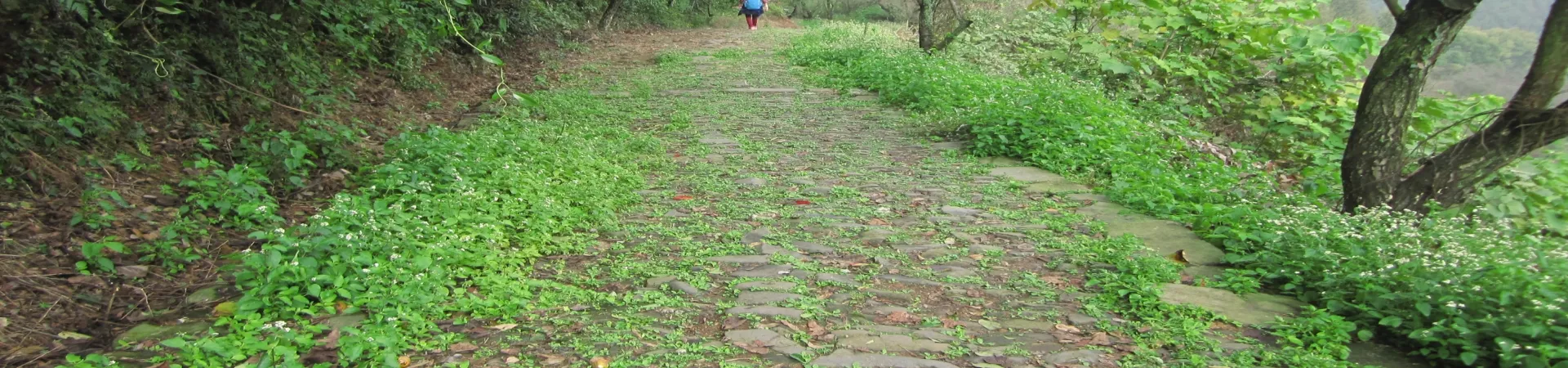
2.1. The Preserved Ancient Road Today, the most evocative experience for any visitor is walking a section of the original Meiguan Ancient Road. Approximately 8 kilometers of the stone-paved path on either side of the pass have been preserved and restored, allowing you to tread on the very stones worn smooth by centuries of footsteps. Recognized as a Provincial-Level Key Cultural Relics Protection Unit, this path is protected with great care. As you ascend, the surrounding landscape unfolds with lush greenery, ancient plum trees (which give the pass its name, "Mei" meaning plum), and a profound sense of tranquility. Each step is a meditation on history, imagining the countless caravans, literati, soldiers, and migrants who made this same journey.
2.2. Natural Beauty and Seasonal Charm The scenic area is not solely about history; it is cradled in natural beauty. The trail winds through dense forests and offers stunning panoramic views of the mountainous terrain. The area is particularly famous for its plum blossoms. If visiting in late winter or early spring, you may be fortunate enough to witness the hillsides dotted with the delicate white and pink flowers of the plum trees, a scene that has inspired poets for centuries and adds a layer of serene beauty to the austere historical landscape.
3. Practical Information for Planning Your Visit
3.1. Ticket Information To access the Meiguan Scenic Area and walk the historic trail around the pass, an admission fee is required. The current standard ticket price is 18 RMB per person. This fee contributes to the ongoing preservation and maintenance of this important cultural heritage site.
3.2. Operating Hours The scenic area is open to the public daily throughout the year. The operating hours are: * Opening Time: 08:30 * Closing Time: 17:30 (Last admission is also at 17:30). It is advisable to arrive with sufficient time to enjoy the hike to the pass and back at a leisurely pace, especially if you plan to walk a significant portion of the 8-kilometer preserved path.
3.3. Transportation and Access The Meiguan Scenic Area is located near the border of Jiangxi and Guangdong provinces. The most common access point for visitors is from the Ganzhou city area. * By Car/Taxi: Driving or hiring a taxi from downtown Ganzhou offers the most flexibility. The journey takes approximately 1.5 to 2 hours, depending on traffic and exact starting point. * By Bus: Public buses may be available from Ganzhou's long-distance bus stations heading towards Dayu County, from where local transport can be taken to the scenic spot. It is recommended to check the latest bus schedules locally, as routes and frequencies can change. * Guided Tours: Many tour operators in Ganzhou and nearby major cities offer day trips to Meiguan, which often include transportation, tickets, and guided commentary, providing valuable historical context.