Jiang Jingguo's Former Residence
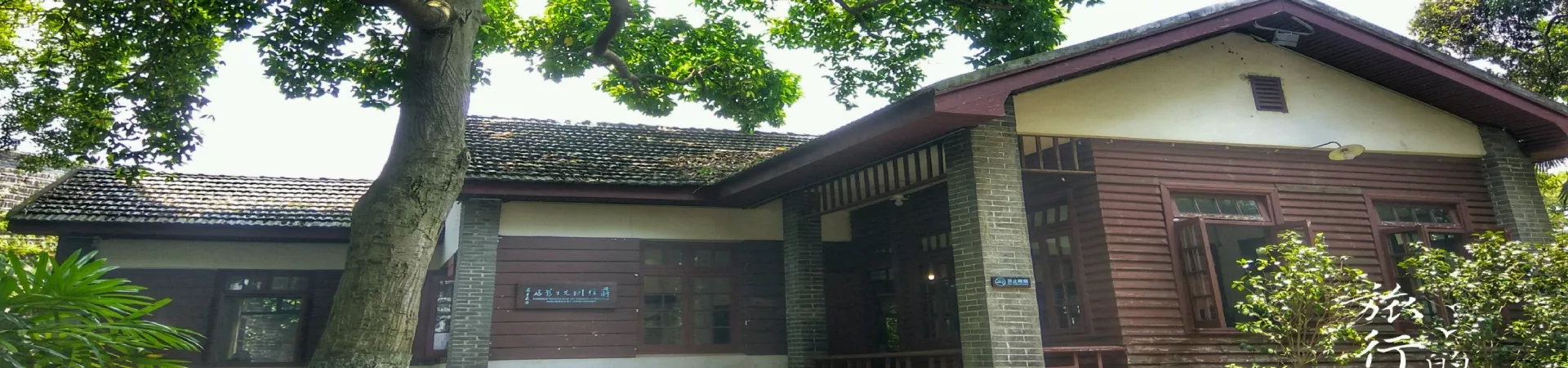
Subtitle: A Journey Through History: Exploring the Former Residence of Chiang Ching-kuo in Ganzhou
Introduction: A Portal to a Pivotal Era
Nestled within the historic fabric of Ganzhou, Jiangxi Province, the Former Residence of Chiang Ching-kuo stands as a silent yet eloquent witness to a complex and transformative period in modern Chinese history. More than just a preserved building, this site offers visitors a tangible connection to the life and administrative tenure of Chiang Ching-kuo, a significant political figure who later became the leader of Taiwan. His time in Ganzhou during the Second Sino-Japanese War (World War II) and the ensuing Civil War was formative, marking a chapter of grassroots governance, reform attempts, and personal evolution. A visit here is not merely an architectural tour but an immersive dive into the socio-political landscape of 1940s China, providing nuanced perspectives on local history, wartime administration, and the intricate personal narratives that shaped cross-strait relations.
1. Historical Context and Significance
1.1. Ganzhou During the War Years To fully appreciate the residence's importance, one must understand Ganzhou's strategic role in the 1940s. As the Japanese invasion forced the Nationalist government to retreat inland, Jiangxi Province, and Ganzhou in particular, became a crucial rear-area base. Appointed as the Commissioner of the Fourth Administrative District (which included Ganzhou) in 1939, the young Chiang Ching-kuo arrived in a region grappling with the immense pressures of war, refugee influx, economic instability, and social dislocation. His mission, influenced by his experiences in the Soviet Union and a stated desire for reform, was to stabilize and revitalize this critical area.
1.2. The "Ganzhou Experiment" Chiang's tenure, often referred to as the "Ganzhou Experiment," was characterized by a series of ambitious, albeit sometimes controversial, initiatives. He launched anti-corruption campaigns, promoted local self-governance, attempted land reform, and initiated public works projects. He famously adopted a hands-on, approachable style, often touring the countryside on foot to understand local grievances, which earned him a mixed but notable reputation among the populace. The residence served as the nerve center for these activities, where policies were debated, directives issued, and the daily challenges of wartime governance were confronted.
2. Architectural Layout and Exhibitions
2.1. The Structure and Its Atmosphere The residence itself is a modest, traditional Chinese compound, reflecting the austere conditions of the wartime period rather than opulence. Its architecture is typical of the region, featuring grey bricks, wooden beams, and tiled roofs. The preservation efforts have meticulously maintained this atmosphere, allowing visitors to sense the environment in which Chiang lived and worked. The compound is divided into several functional areas, including office spaces, meeting rooms, living quarters, and a courtyard.
2.2. Key Rooms and Their Stories * The Main Office: This room is presented as the primary workspace where Chiang handled daily administrative affairs. Historical photographs, reproduced documents, and period-appropriate furniture recreate the setting where significant decisions affecting the district were made. * The Reception Room: Used for meeting local gentry, officials, and sometimes common citizens, this space symbolizes Chiang's attempted policy of open dialogue. Exhibits here discuss his interactions with various social groups. * The Living Quarters: The private bedrooms and family spaces offer a glimpse into the personal life of the Chiang family during their stay. The simplicity of the furnishings underscores the wartime context and attempts to project an image of sharing in the people's hardships. * The Exhibition Halls: Several rooms have been converted into detailed exhibition halls. These spaces are the core of the narrative, utilizing a wealth of historical materials: * Photographic Archives: Extensive panels display historical photos capturing Chiang's inspection tours, public events, construction projects, and moments of daily life in Ganzhou during the 1940s. * Documentary Displays: Reproductions of official decrees, personal correspondence, and propaganda posters from the "Ganzhou Experiment" provide firsthand insight into the policies and rhetoric of the time. * Multimedia Presentations: Some sections may feature short video documentaries or audio recordings featuring historical analysis and excerpts from Chiang's diaries or speeches, adding depth to the static displays.
3. Thematic Insights for Visitors
3.1. Understanding a Contested Legacy The museum does not shy away from the complexities of Chiang Ching-kuo's legacy. The exhibitions encourage visitors to consider the multifaceted nature of his reforms. While some initiatives, like cracking down on corrupt local officials and building infrastructure, were popular, others, such as the conscription drives and the strict "Xinjiang Army" youth corps training, were viewed with fear and resentment. The residence thus becomes a forum for contemplating the contradictions of reformist authoritarianism during a national crisis.
3.2. Personal History and Political Evolution A visit traces Chiang's personal journey. The son of Chiang Kai-shek, his years in Ganzhou were a period of relative independence from his father's direct shadow, where he developed his own administrative persona. The experience is widely seen as crucial in shaping his later, more pragmatic and economically progressive policies in Taiwan. Displays often draw connections between his Ganzhou experiences and his future political trajectory.
3.3. Ganzhou's Local History Importantly, the site is also a museum of Ganzhou itself during a pivotal decade. The exhibitions provide valuable visual and textual records of the city's streets, economy, and social customs under extraordinary circumstances. It tells the story of how the local population endured and adapted to the demands of war and ambitious political projects.
4. Practical Visitor Information
4.1. Location and Accessibility The Former Residence is located in Zhanggong District, within Ganzhou's old town area. It is easily accessible by public bus or taxi from major city hubs. Its location allows for combination with visits to other historical sites in Ganzhou, such as the ancient city wall and the Tongtian Rock Grottoes.
4.2. Opening Hours and Admission The site is open to the public daily. The operating hours are from 08:30 to 17:00, throughout the year from January 1st to December 31st. It is advisable to check for any last-minute changes in schedule before your visit. A modest admission fee is typically charged, with possible concessions for students, seniors, and groups.
4.3. Suggested Itinerary and Tips To fully absorb the historical context, visitors should allocate at least 1.5 to 2 hours for a thorough exploration. Begin with the introductory panels to establish the historical backdrop, then proceed through the living and working spaces before dedicating time to the detailed exhibition halls. Reading the translated captions (usually available in English alongside Chinese) is essential for international visitors. Given the site's focus on history and documentation, it is particularly rewarding for those with a prior interest in modern Chinese history, Sino-Japanese War history, or cross-strait relations.