West open-pit mine
Subtitle: From Industrial Titan to Geological Marvel: A Journey into Fushun's Depths
Introduction: A Colossal Scar on the Earth's Surface
Upon first sight, the Fushun West Open-Pit Mine is an experience that defies expectation. It is not merely a mine; it is a breathtaking and sobering human-made canyon, a vast geological wound laid bare. Stretching approximately 6.6 kilometers in length, 2.2 kilometers in width, and reaching a maximum depth of over 400 meters, its scale is so immense that it is often visible from space. For over a century, this colossal pit has been the pulsating heart of Fushun, a city whose destiny became inextricably linked with the treasures buried beneath its soil. The mine stands today as a powerful monument to China's industrial ambition, a unique geological museum, and a profound lesson in the dialogue between human endeavor and the natural world.
The Engine of an Era: Historical Significance and Industrial Might
Discovery and Early Development
The story of the West Open-Pit Mine begins at the dawn of the 20th century. The discovery of rich coal seams, some of the thickest in the world, and later high-quality oil shale, transformed the quiet region into an industrial powerhouse. Initially exploited by Russian and later Japanese interests, the mine's true expansion accelerated in the mid-20th century under China's drive for national industrialization. It became a critical source of energy and raw materials, fueling the nation's growth and earning Fushun the title "Coal Capital."
Engineering and Operational Scale
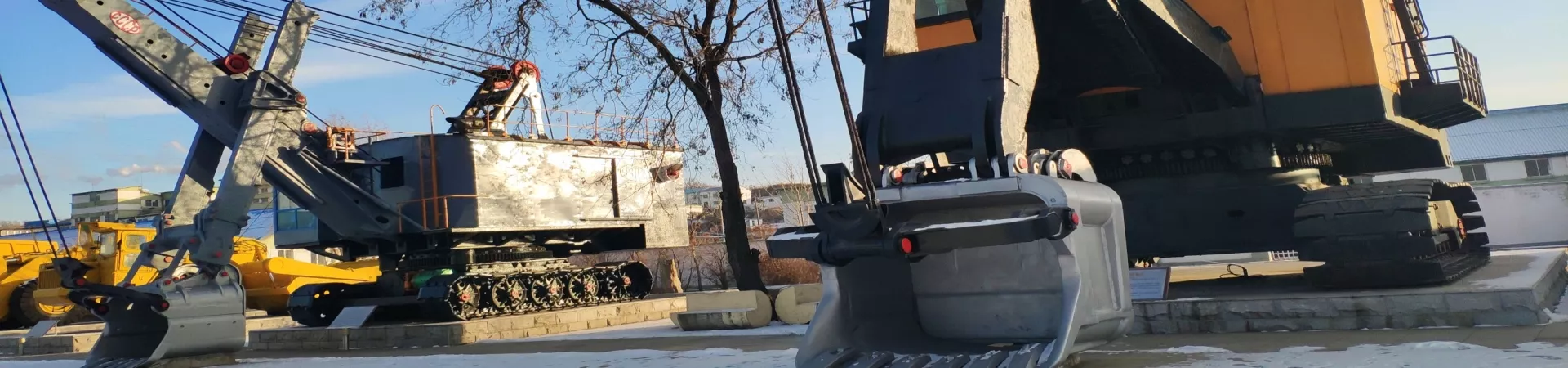
The operational magnitude of the mine was staggering. At its peak, it was a meticulously coordinated symphony of massive machinery, railways, and human labor. Giant electric shovels, some as tall as buildings, worked alongside fleets of heavy-duty mining trucks, excavating and transporting millions of tons of material annually. The mine was a self-contained world, with its own internal rail network and a complex system of terraced benches carved into the earth, a testament to the engineering prowess of its time.
A Stratigraphic Chronicle: Geological and Scientific Value
A Walk Through Deep Time
With the cessation of large-scale mining, the pit has revealed a new identity: that of an unparalleled open-air geological textbook. The exposed walls offer a clear, continuous cross-section of the Earth's crust spanning hundreds of millions of years. Each distinct layer of rock and sediment tells a chapter of the planet's history, from ancient plant life that formed the coal to volcanic ash deposits and sedimentary sequences. For geologists and students, it is a rare and accessible site to study stratigraphy, tectonics, and resource formation.
Unique Fossil Records and Mineralogy
Beyond coal and oil shale, the mine has yielded significant paleontological finds. Fossils of ancient flora and fauna preserved in the layers provide crucial clues about the ecosystems and climate of prehistoric Northeast Asia. The variety of minerals and the dramatic folding and faulting of rock strata visible on the pit walls make it a site of continuous scientific interest and discovery.
Transformation and Contemporary Perspective: From Mine to Museum
The Shift Towards Heritage and Tourism
Recognizing its unique value, the site has been transitioning from a purely industrial zone to a destination for heritage, education, and controlled tourism. Designated as a national industrial heritage site, efforts are focused on preserving its historical artifacts—like vintage mining equipment—and ensuring safe viewing platforms for visitors. The mine now invites contemplation on the cycles of industry, the exhaustion of resources, and the resilience of nature.
The Visitor Experience Today
For the modern visitor, the West Open-Pit Mine offers a multifaceted experience.
Observation and Panoramic Views
The primary activity is observation from designated viewpoints along the rim. Here, one can truly grasp the monumental scale. The sight of terraced benches receding into the deep, azure pools of water collecting at the bottom, and the intricate patterns on the walls is both awe-inspiring and humbling. The contrast between the silent, vast pit and the bustling city that edges right up to its rim is particularly striking.
The Fushun Mining Museum
A visit is best complemented by the Fushun Mining Museum, located nearby. The museum provides essential context, using historical photographs, models, tools, and detailed explanations to chronicle the mining technology, the lives of workers, and the socio-economic impact of the industry. It personalizes the grand narrative seen from the pit's edge.
Environmental Reclamation and Symbolism
Parts of the surrounding area are undergoing ecological rehabilitation, a visible effort to heal the landscape. The mine, in its stillness, has become a powerful symbol. It symbolizes the zenith of industrial achievement, the inevitable environmental cost of rapid resource extraction, and the post-industrial identity of a city seeking new futures. It prompts reflections on sustainability and the legacy we imprint on the earth.
Practical Considerations for the Visit
Access and Safety
The mine is easily accessible from downtown Fushun. It is paramount to note that the site is an active geological area with unstable edges. Visitors must stay within officially designated viewing areas, follow all posted safety guidelines, and never attempt to climb barriers or venture onto prohibited paths.
Timing and Perspective
Clear weather days are ideal for visibility. The play of light and shadow across the pit's depths at different times of day can dramatically alter its appearance. While the site itself may not entertain in a conventional sense, it demands and rewards a thoughtful approach, offering a profound perspective on history, industry, and our planet's geological story.