Lingnan Tiandi
A Visitor's Guide to Lingnan Tiandi, Foshan
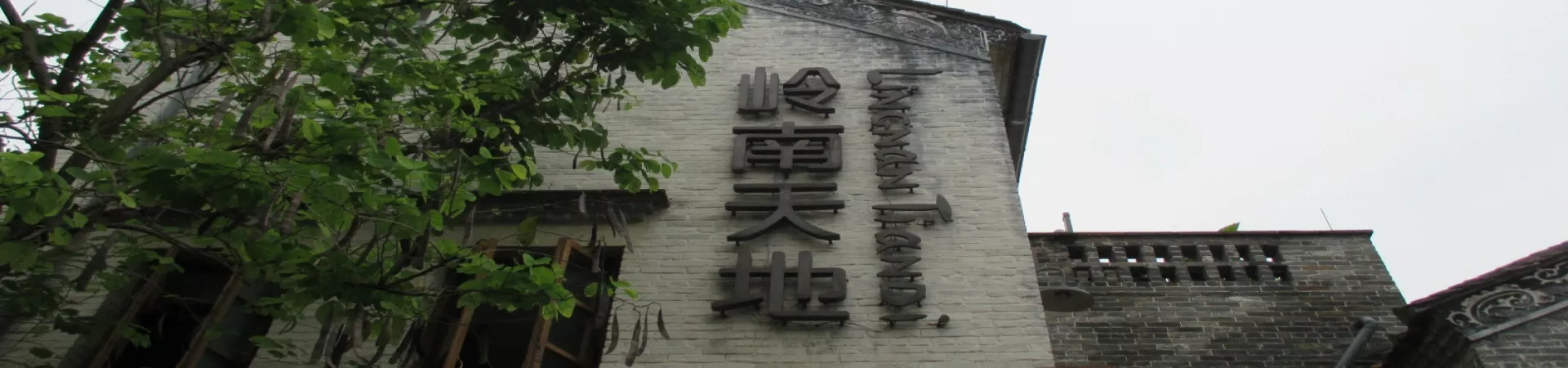
Nestled in the heart of Foshan, adjacent to the revered Foshan Ancestors' Temple (Zumiao), lies Lingnan Tiandi—a beautifully preserved and revitalized historical district. This area serves as a living museum, showcasing extensive clusters of architecture in the distinctive Lingnan style, primarily dating from the late Qing Dynasty to the Republican era. More than just a static relic, it is a vibrant fusion of historical preservation and contemporary lifestyle, offering visitors a unique opportunity to stroll through lanes where centuries-old buildings seamlessly house modern cafes, boutique shops, and cultural spaces. It represents a successful model of urban regeneration, where the past is not merely observed but actively experienced.
Getting There & Essential Information
- Transportation: The most convenient way to reach Lingnan Tiandi is by public bus. Multiple bus lines (including 104, 106, 109, 114, and 140) stop at "Renmin Lu" station. From there, it is a short and pleasant walk of approximately 269 meters to the entrance of the district. Given its central location, it is also easily accessible by taxi or ride-sharing services from anywhere in Foshan.
- Admission: Access to the Lingnan Tiandi district is completely free of charge. Visitors are welcome to explore the open streets, courtyards, and public spaces at their leisure without any entry ticket.
- Opening Hours: The district itself is open to the public 24 hours a day. However, the operating hours for the individual shops, restaurants, and cafes within typically run from 10:00 AM to 10:00 PM. It is advisable to note that specific business hours may vary by establishment, so checking ahead for particular venues is recommended if you have a specific destination in mind.
The Architectural & Historical Heart
Preserved Lingnan Vernacular Architecture The core appeal of Lingnan Tiandi lies in its authentic architectural landscape. The buildings here exemplify the classic Lingnan style, characterized by elegant grey brick facades, intricate wood carvings, decorative gable walls ("Horse-head walls"), and serene internal courtyards. The layout of the neighborhood, with its interconnected lanes ("alleys" or "hutongs"), reflects traditional community planning. This careful preservation allows visitors to appreciate the architectural ingenuity and aesthetic preferences of southern China from a bygone era.
Key Historical Landmarks Scattered throughout the district are several meticulously restored historical buildings that stand as cultural anchors:
- The Jian Family Villa: This former residence is a masterpiece of its period, showcasing the grandeur and refined taste of a wealthy Lingnan family. Its spacious halls, detailed decorative elements, and courtyard layout offer a glimpse into the domestic life of the early 20th century elite.
- Longtang Poetry Society: This site highlights the literary and artistic heritage of the region. Historically a gathering place for scholars, poets, and intellectuals to exchange ideas and compose verse, its preservation underscores Foshan's deep cultural roots beyond its fame for martial arts and ceramics.
A Modern Cultural & Lifestyle Experience
Curated Shopping and Artisanal Discoveries While history forms the foundation, contemporary energy pulses through the streets. The restored buildings now host an eclectic array of shops that encourage leisurely exploration. You will find independent boutiques selling designer clothing, craft shops featuring handmade jewelry, and trendy lifestyle stores. A particular highlight for many visitors are the pottery and ceramic studios, a direct nod to Foshan's centuries-old reputation as a major center for ceramic production (especially Shiwan ware). Here, you can observe artisans at work or purchase unique, locally made souvenirs.
Culinary Delights and Cafe Culture The dining scene in Lingnan Tiandi caters to all tastes. The area is famous for its authentic Cantonese and Foshan-style snacks and delicacies. Food stalls and traditional restaurants serve local favorites such as double-skinned milk, ginger milk curd, *Foshan *pastries, and savory noodle dishes. Simultaneously, the district boasts a thriving cafe culture, with numerous stylish coffee shops nestled within ancient walls. Enjoying a expertly brewed coffee in a centuries-old setting is a quintessential Lingnan Tiandi experience. From quick bites to sit-down meals, the culinary offerings are an integral part of the visit.
The Ambiance: Leisure and Photography Beyond specific sights and shops, the greatest pleasure often comes from simply wandering. The harmonious blend of old and new creates a uniquely photogenic environment at every turn. Quiet corners, shaded courtyards, and beautifully lit streets at night provide endless opportunities for photography. It is a place designed for slow exploration—to sit at a street-side cafe, watch the world go by, and absorb the atmosphere where history and modern urban life coexist in a remarkably graceful balance.
In essence, Lingnan Tiandi is not just a tourist attraction but a dynamic urban space. It successfully protects the tangible history of Foshan while injecting it with vitality, making it a must-visit destination for anyone seeking to understand the city's cultural soul, enjoy a day of refined leisure, and witness a textbook example of how heritage conservation can enhance contemporary urban living.
Information last updated: February 2, 2023. Credits to contributors Sobremesa, Yin_, and others for community input.