Foshan Liangyuan
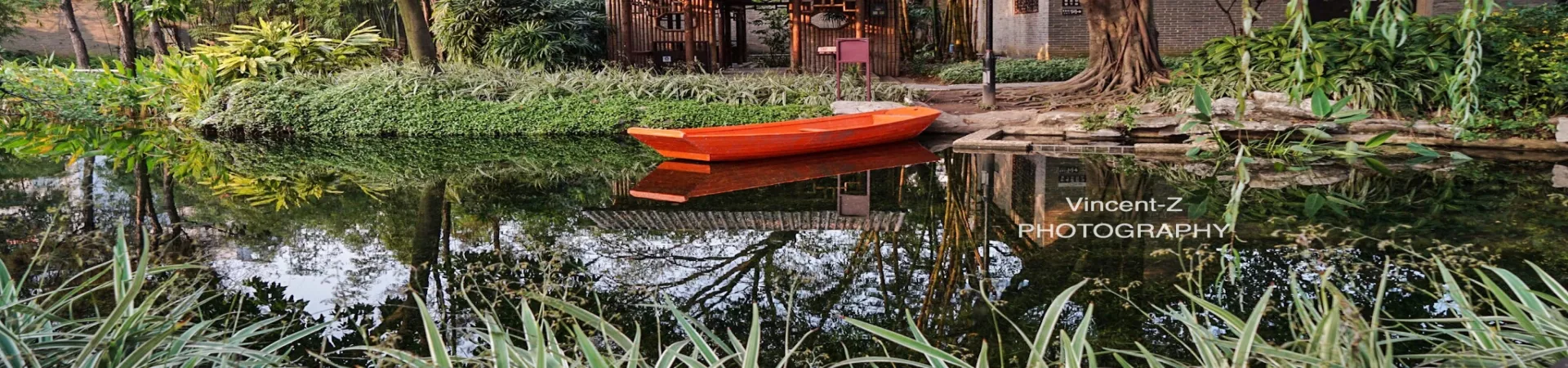
Subtitle: A Masterpiece of Lingnan Garden Art, Foshan Liang Garden
1. Introduction: A Legacy of Art and Refinement
Nestled in the heart of Foshan, Guangdong Province, the Foshan Liang Garden stands as a serene testament to the artistic sensibilities and cultural sophistication of the Qing Dynasty. Designated as a Provincial-Level Cultural Relic Protection Unit, this exquisite complex is not a single garden but the collective name for the private gardens and residences built by the four talented Liang uncles and nephews: Liang Airu, Liang Jiuzhang, Liang Jiuhua, and Liang Jiutu. These men were renowned local masters of poetry, calligraphy, and painting, and their shared passion for art and nature is immortalized in the very fabric of the garden. Constructed initially during the Jiaqing reign (1796-1820), the Liang Garden represents the pinnacle of Lingnan (South of the Five Ridges) garden design. Alongside the Qinghui Garden in Shunde, the Yuyin Shanfang in Panyu, and the Keyuan Garden in Dongguan, it is celebrated as one of the "Four Great Gardens of Guangdong" from the Qing era. More than just a scenic retreat, the garden is a harmonious integration of living quarters, ancestral halls, and landscaped spaces, offering a profound insight into the lifestyle, aesthetics, and architectural ingenuity of Lingnan's scholarly elite.
2. Historical Evolution and Architectural Philosophy
2.1. The Golden Age and Structural Composition At its zenith, the Foshan Liang Garden was an expansive estate covering approximately 200 mu (about 33 acres). Its grandeur was manifested through several distinct yet interconnected sections, including the Qunxing Thatched Hall (群星草堂), the Fenjiang Thatched Cottage (汾江草庐), the Twelve Stone Studio (十二石斋), and the Cold Fragrance Hall (寒香馆). This multi-cluster layout was a deliberate design choice, reflecting the social structure and familial bonds of the Liang clan. The genius of the Liang Garden lies in its seamless and organic fusion of practical daily life with artistic and spiritual pursuit. The designers masterfully linked residential houses, courtyards for family rituals, and poetic garden landscapes into a cohesive whole. This integration ensures that every architectural element, from a humble walkway to an ornate pavilion, serves both a functional purpose and an aesthetic ideal, creating a living environment that nurtured creativity and contemplation.
2.2. The Essence of Lingnan Style The garden is a quintessential and concentrated embodiment of the Lingnan architectural style, which adapts traditional Chinese garden principles to the local subtropical climate and cultural context. The overall layout is ingeniously compact yet never feels crowded. Every component—the pavilions, terraces, towers, rockeries, winding paths, small bridges, and flowing water—finds its perfect place, contributing to a balanced and dynamic composition. The buildings themselves are characterized by their elegance and delicacy, featuring open structures, airy corridors, and intricate decorative arts that allow for ventilation and a connection with the outdoors. The ornamentation within the garden is a visual feast, showcasing the superb craftsmanship of the region. Exquisite brick carvings, detailed wood carvings, expressive stone sculptures, and elaborate lime modeling (灰塑) adorn the buildings, each piece rich with symbolic meaning and local flavor, vividly highlighting the distinctive characteristics of Lingnan architecture.
3. A Journey Through the Garden Landscape
3.1. The Harmony of Water, Stone, and Flora Stepping into the Liang Garden is like entering a three-dimensional landscape painting. The design masterfully employs the core classical Chinese garden elements of water, rock, and plants to create a microcosm of the natural world. Meandering lakes and ponds form the garden's lifeline, their reflective surfaces amplifying the sense of space and tranquility. Ingeniously arranged and often fantastically shaped Taihu stones and local rocks create miniature mountains and dramatic vistas, inviting contemplation. The garden paths guide visitors past a diverse collection of rare flowers, ancient trees, and lush greenery, which provide shade, color, and fragrance throughout the seasons. This thoughtful arrangement ensures a picturesque scene from every vantage point, embodying the philosophical pursuit of harmony between humanity and nature.
3.2. Key Sections and Their Ambiance Each section of the garden possesses its own unique character and poetic name. The Qunxing Thatched Hall area likely served as a central gathering place for literary discussions and social exchanges. The Fenjiang Thatched Cottage, perhaps situated near water, would have offered a rustic, pastoral retreat. The Twelve Stone Studio undoubtedly highlights the Liang family's famed appreciation for scholar's rocks, displaying prized specimens that were admired for their abstract beauty. The Cold Fragrance Hall, possibly associated with winter-blooming plum blossoms, evokes themes of resilience and purity. Wandering through these areas, one can imagine the Liang literati composing poetry inspired by the view, practicing calligraphy in a sunlit studio, or entertaining guests amidst the blooming flowers, with the garden itself serving as both muse and masterpiece.
4. Practical Visitor Information
4.1. Location and Transportation The Foshan Liang Garden is located in Foshan City, Guangdong Province. The most convenient way to reach the garden for public transport users is by bus. Visitors can take bus routes 105, 106, 109, or 114 and alight at the "Liangyuan (Liang Garden) Station" (梁园站). The garden entrance is within short walking distance from the bus stop.
4.2. Admission Fees and Opening Hours The garden operates with a standard admission fee and specific opening times. On most days (Monday to Friday, and Sunday), the entrance ticket is priced at 10 RMB. A notable benefit for visitors is that admission is free every Saturday. It is advisable to check for any updates on public holidays or special events. The garden is open daily from 9:00 AM to 6:00 PM. During the summer months (July 1st to August 31st), the last admission time is 5:40 PM. Visitors should plan their arrival accordingly to ensure ample time for exploration.
4.3. Suggested Duration and Experience To fully appreciate the architectural details, landscape artistry, and peaceful atmosphere of the Foshan Liang Garden, a visit of 3 hours or more is highly recommended. This allows for a leisurely pace to explore the various sections, admire the carvings and rockeries, and simply enjoy the tranquility. The garden offers a profound escape from the modern urban environment, providing a direct connection to the refined cultural heritage of the Lingnan region. It remains an indispensable destination for anyone interested in Chinese garden history, traditional architecture, or a moment of quiet beauty.