Bijiang Jinlou
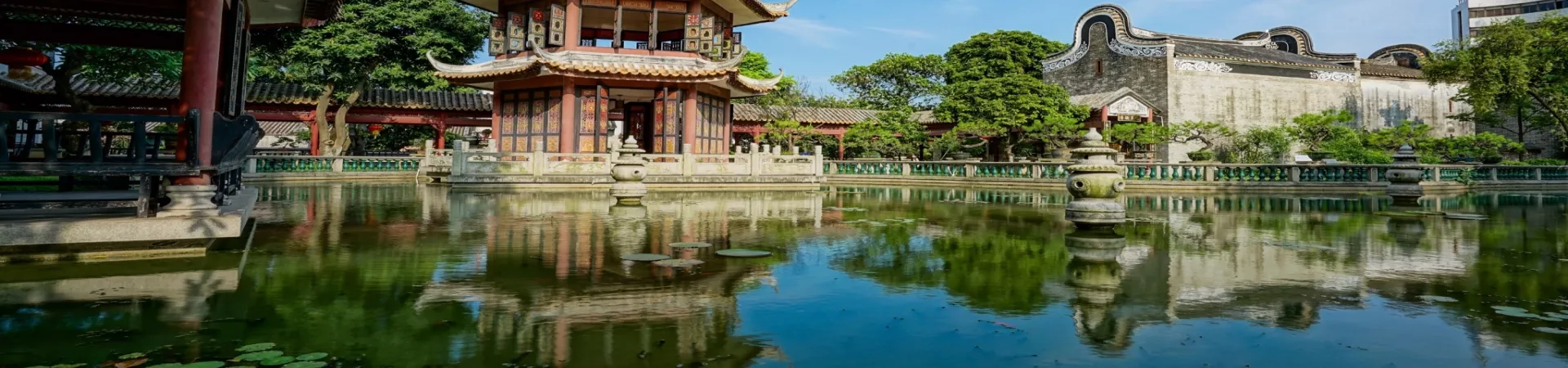
Subtitle: A Journey into Foshan's Gilded History: The Bijiag Golden Tower Complex
Introduction: A Portal to Lingnan's Grandeur
Nestled within the historic town of Beijiao, in the vibrant city of Foshan, Guangdong Province, lies the Bijiag Golden Tower (Bijiag Jinlou) scenic area. This meticulously preserved complex is far more than a single attraction; it is a living museum, a sprawling testament to the wealth, culture, and architectural sophistication of the Lingnan region during the Ming and Qing dynasties. For the discerning visitor, it offers an immersive escape into a world where scholarly pursuit, artistic mastery, and familial prestige are etched into every brick, beam, and gilded detail. The site masterfully integrates a core mansion estate with its ancillary structures, presenting a holistic picture of the life and times of the powerful Su family, making it an indispensable stop for anyone seeking to understand the cultural heritage of the Pearl River Delta.
Section 1: The Architectural Ensemble: Heart of the Su Clan Legacy
The scenic area is a cohesive cluster of ancient buildings, each serving a distinct purpose in the ecosystem of a prominent clan. The core components are enclosed within a traditional walled compound, while several significant structures sit just beyond, forming an integral part of the historical landscape.
1.1 The Core Compound: Opulence and Privacy At the heart of the complex lies the Zhifangdi Mansion, the principal residence of the Su family. As a high-ranking official's residence ("Zhifang" refers to a military title in the Qing bureaucracy), its scale and layout reflect the family's status. Adjacent to it stands the iconic Golden Tower (Jin Lou), the complex's undisputed centerpiece. Flanking these are the Clay Tower (Ni Lou), a sturdy structure showcasing different building materials, and a serene Rear Garden, designed for contemplation and leisure. This walled ensemble represents the private, domestic sphere of the Su clan.
1.2 Beyond the Walls: Community and Scholarship The experience extends outside the main walls to key communal buildings. The Yiyu Old Study (Yiyu Yishu) highlights the clan's dedication to education and Confucian values. The Mutang Su Ancestral Hall (Mutang Su Gongci) served as the sacred space for venerating ancestors and strengthening clan bonds. The Sanxing Mansion (Sanxing Dazhai), another large residential compound, illustrates the broader architectural style of the area. Together, these structures complete the picture of a self-sufficient, culturally rich gentry community.
Section 2: The Crown Jewel: Deconstructing the Golden Tower
Originally named Fuhe Lou (Tower of Composing Cranes), this building was the private library and study for the Su family. Its transformation into the "Golden Tower" is both literal and legendary.
2.1 A Literal Golden Interior: The Art of Gilding The tower's current name derives from its most breathtaking feature: the extensive use of gold leaf to adorn its interior woodcarvings. Doors, window lattices, panels, and intricate friezes are lavishly coated in gold foil, creating an atmosphere of breathtaking opulence. This was not mere ostentation; gold was believed to repel insects and moisture, protecting the precious books housed within. The carvings themselves are a masterpiece of Lingnan woodcraft, depicting scenes from folklore, nature (especially birds and flowers), and auspicious symbols, each piece telling a story under its shimmering surface.
2.2 The Legend: "A Golden House to Hide a Beauty" The tower's romance is amplified by a famous local legend. It is said that Dai Hongci, a prominent late-Qing dynasty statesman from Foshan, married his daughter into the Su family. To honor his esteemed bride, the family reportedly gilded the library's interiors, giving rise to the saying that they built a "golden house to hide a beauty" (Jin Wu Cang Jiao). This tale intertwines political alliance, social stature, and timeless romance with the physical space.
Section 3: Artistic and Historical Treasures Within
Beyond the gold, the complex houses a collection of artifacts that bring the Qing-dynasty scholarly lifestyle into focus.
3.1 Elegant Furnishings and Literary Echoes The rooms are furnished with exquisite Qing-style furniture, primarily made of prized rosewood and blackwood, arranged according to traditional norms. The walls are graced with calligraphy and paintings by noted historical figures, their ink strokes preserving the intellectual ambiance. A particularly remarkable artifact is the Bijiag Version of the "Along the River During the Qingming Festival" painting. This local rendition offers a detailed, invaluable glimpse into the commercial bustle and daily life in historic Bijiag, often compared to its famous Song-dynasty counterpart.
3.2 Nature and Sustenance: The Garden's Quiet Witnesses The Rear Garden provides a poetic contrast to the ornate interiors. Here, century-old trees stand as silent witnesses to history, their shade offering respite. The garden also features three ancient wells, which were crucial for the daily water supply of the household. These elements—the living trees and the life-sustaining wells—ground the site in the practical and aesthetic rhythms of ancient Chinese domestic life.
Section 4: Essential Visitor Information
4.1 Location and Transportation The Bijiag Golden Tower scenic area is located in Beijiao Town, Shunde District, Foshan City. The most convenient public transport option from Foshan city center is to take bus routes 332B, 339, or 933 and alight at Deyun Market (Deyun Shichang) bus stop. From there, the complex is within a short walking distance.
4.2 Admission Details * Standard Ticket: 15 RMB (for adults). * Concession Ticket: 8 RMB. Applies to: * Children with height between 1.2m and 1.5m. * Seniors aged between 60 and 65. * Active-duty and disabled military personnel (with valid ID). * Free Admission: Granted to residents of Bijiag communities (with ID), seniors over 65, children under 1.2m (with guardian), holders of valid press or tour guide cards, and visitors with certain disability certificates. * Note: All ticket policies are subject to change. Please verify with the ticket office on the day of your visit.
4.3 Operating Hours The scenic area is open daily from 8:30 AM to 5:00 PM, with last admission at 5:00 PM. It is advisable to allocate at least half a day to fully appreciate the main compound and the surrounding ancient buildings. A full day allows for a more leisurely and thorough exploration.
4.4 Contact Information For any inquiries prior to your visit, you may contact the scenic area at +86 757 2663 2123.