Vietnam Street
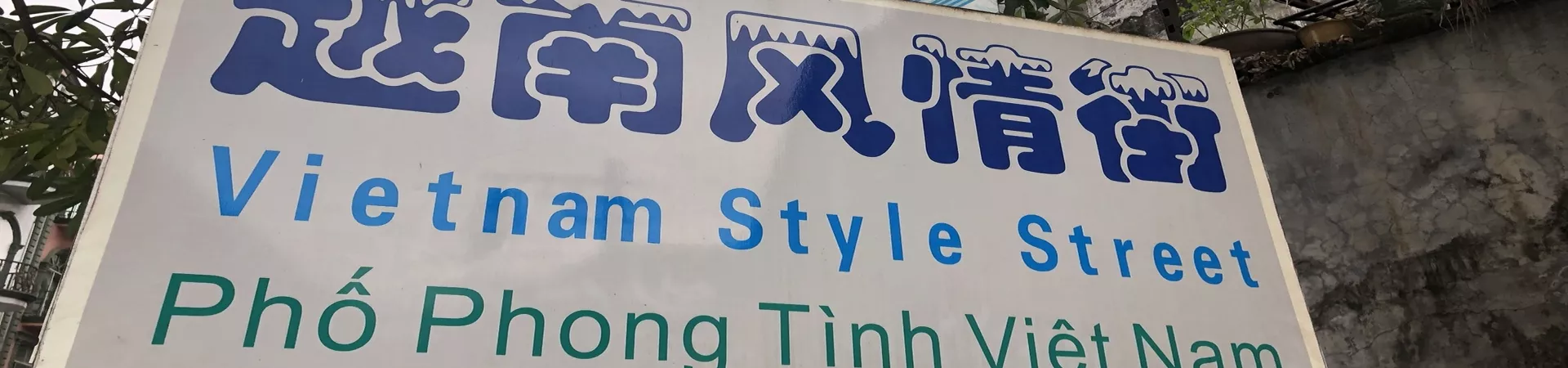
Subheading: A Sensory Journey Through Vietnam in the Heart of Fangchenggang
Introduction: Where Two Cultures Converge
Nestled within the bustling port city of Fangchenggang, Guangxi, lies a vibrant enclave that offers an immediate and immersive passport to a neighboring culture. Known colloquially as "Vietnam Street," this is far more than a simple shopping lane; it is a dynamic, sensory-rich microcosm of Vietnam itself. For the traveler seeking an authentic taste of Vietnam without crossing an international border, or for the curious visitor wanting to understand the deep cultural and economic ties between China and its southeastern neighbor, Vietnam Street presents an unmissable experience. It is a place where the aromas of Vietnamese coffee and herbs mingle in the air, where the vibrant colors of silk and lacquerware catch the eye, and where the hum of commerce tells a story of centuries-old exchange.
The Allure of Authentic Vietnamese Goods
Walking into Vietnam Street, visitors are immediately greeted by a dense, captivating panorama of commerce. The street is a meticulously organized, yet wonderfully chaotic, gallery of Vietnamese life and craftsmanship. Every shopfront and stall is a curated display, promising a journey into the heart of Vietnamese material culture.
2.1 A Tapestry of Textiles and Tailoring Vietnamese traditional clothing, particularly the iconic Áo Dài, takes center stage in many establishments. These elegant, flowing garments, often made from the highest quality silk or lightweight linen, are displayed in a riot of colors and intricate embroidery. Beyond ready-to-wear items, many shops offer bespoke tailoring services, allowing visitors to be measured for their own custom-made Áo Dài or a modern suit with Vietnamese flair. The tactile pleasure of the fabrics—from smooth silks to crisp linens—is an integral part of the shopping experience.
2.2 The Craft of Artisans: Lacquerware, Pottery, and More The Vietnamese reputation for exquisite craftsmanship is on full display. Handcrafted lacquerware, a art form perfected over generations, shines from the shelves. Items range from decorative vases and jewelry boxes inlaid with mother-of-pearl to modern, minimalist tableware. Alongside these, one finds delicate ceramic and pottery pieces from famous kilns, intricate bamboo and rattan homewares, and hand-embroidered artworks. Each piece is not merely a souvenir but a tangible piece of Vietnamese artistic heritage.
2.3 Wellness and Tradition: The World of Medicinal Liquors and Remedies A uniquely fascinating aspect of Vietnam Street is its focus on traditional Vietnamese wellness. Stalls are lined with large glass demijohns containing amber, gold, and deep ruby-hued liquids. These are traditional Vietnamese medicinal liquors and wines, often infused with herbs, roots, rare barks, and even exotic ingredients like snakes or seahorses, believed to possess various health-restorative properties. Knowledgeable vendors are often on hand to explain the purported benefits of each blend, from improving circulation to relieving joint pain. This section offers a direct insight into the deep-seated traditions of Eastern herbal medicine as practiced in Vietnam.
A Culinary Expedition on a Single Street
Perhaps the most compelling draw of Vietnam Street is its status as a gastronomic gateway. The air is perpetually fragrant with enticing smells, guiding visitors on a culinary tour.
3.1 The Iconic Flavors: Pho, Coffee, and Street Food Snacks Small eateries and food stalls serve up steaming bowls of Phở, the quintessential Vietnamese noodle soup, with its aromatic broth, tender slices of beef or chicken, and fresh herbs. The rich, potent aroma of Vietnamese drip coffee—cà phê sữa đá (iced coffee with sweetened condensed milk) being a favorite—permeates the street. Visitors can also sample an array of street food classics: fresh and fried spring rolls (Gỏi cuốn, Chả giò), savory Bánh mì sandwiches, and sweet treats like Bánh flan (caramel custard).
3.2 Pantry Staples and Unique Ingredients For the culinary enthusiast, the street is a treasure trove of ingredients. Bags of robust Trung Nguyen coffee beans, jars of fermented fish sauce (nước mắm), shrimp paste, rice papers, dried mushrooms, and exotic spices are all available. This allows visitors to take a piece of the Vietnamese culinary experience home, enabling them to recreate authentic dishes in their own kitchens.
The Deeper Significance: More Than Just Commerce
Beyond the transactions, Vietnam Street embodies the historical and economic synergy of the region.
4.1 A Testament to Cross-Border Exchange Fangchenggang's location as a critical port on the Beibu Gulf has made it a traditional hub for trade with Vietnam. Vietnam Street is a contemporary, vibrant manifestation of this centuries-old exchange. It symbolizes the fluid cultural and economic relationship between the two countries, where goods, ideas, and influences have constantly flowed.
4.2 The Human Element: Interaction and Bargaining The experience is defined by human interaction. Engaging with the vendors, many of whom are ethnic Vietnamese or have strong familial ties across the border, adds a layer of personal connection. The gentle art of bargaining is not only expected but is part of the ritual, conducted with smiles and mutual respect. A successful negotiation ends not just with a purchase, but with a story and a sense of accomplishment.
4.3 Practical Tips for the Discerning Visitor To fully appreciate Vietnam Street, visitors are advised to arrive with curiosity and time. Go beyond the main thoroughfares and explore the smaller alleys. Be adventurous with food samples. When shopping for crafts, inspect items for quality—look for the hand-finished details that distinguish mass-produced items from artisan work. Carrying small bills of local currency is recommended for easier transactions, especially at food stalls. Most importantly, engage with the environment using all your senses: observe the colors, smell the spices, taste the coffee, touch the fabrics, and listen to the blend of languages and commerce that makes this street uniquely alive.