Sino-Vietnam Friendship Bridge
Subtitle: A Bridge Between Nations: Exploring the China-Vietnam Friendship Bridge in Fangchenggang
Introduction: More Than Just a Crossing
Stretching gracefully over the Beilun River, which forms the natural border here, the China-Vietnam Friendship Bridge is far more than a mere infrastructural link. It stands as a powerful, physical symbol of the evolving relationship between two neighboring nations. For any visitor to Fangchenggang, a city in China's Guangxi Zhuang Autonomous Region, this bridge offers a unique and tangible point of connection to Vietnam, presenting a moment where geography, politics, and daily life visibly intersect. While the practical act of crossing might be brief, the experience of observing, understanding, and contemplating this landmark encapsulates a significant narrative of regional diplomacy and cross-border exchange.
The Symbolism in Steel and Stone: A Testament to Bilateral Relations
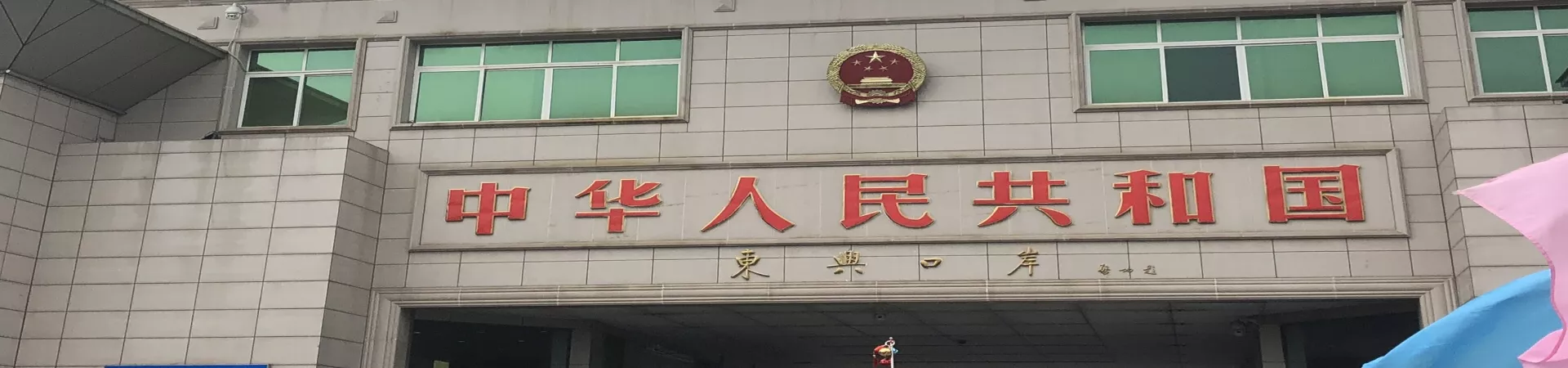
A Physical Embodiment of Diplomacy The bridge's primary significance lies in its role as a constant, unwavering symbol of the diplomatic ties between China and Vietnam. Its very existence, spanning the river that divides the two territories, speaks to a mutual commitment to connection over separation. This symbolism is most visually striking at the bridge's two endpoints. Here, the national flags of China and Vietnam stand tall, fluttering side-by-side yet firmly on their respective sides of the border. This image is a potent microcosm of the broader relationship: distinct sovereignties coexisting and cooperating through a dedicated channel of contact. The bridge has witnessed periods of both warmth and tension, making it a silent chronicler of modern Sino-Vietnamese history. Its enduring presence underscores a shared recognition of the benefits of peaceful exchange and economic collaboration in this vital Southeast Asian region.
A Conduit for Commerce and Cultural Exchange Beyond abstract symbolism, the bridge serves as a crucial artery for practical interaction. It is a key node in the vibrant cross-border trade that characterizes the Fangchenggang-Dong Mong (Vietnam) area. Goods, commodities, and commercial vehicles flow steadily across, fueling local economies on both sides. Furthermore, it facilitates people-to-people connections. While tourists may use it for visa-bound journeys, it is also a passage for local residents, businesspeople, and families with ties across the border. This daily transit weaves a continuous thread of cultural and human exchange, fostering a unique, interconnected community identity that transcends the national boundary line drawn by the river.
Practical Information for the Visitor
Visiting Duration and Experience A visit to the bridge itself, from the Chinese side, is typically a concise yet impactful experience. Most visitors allocate under an hour to appreciate the site. This time is best spent not in crossing (which requires appropriate visas and paperwork), but in observation. The surrounding area on the Fangchenggang side often features viewpoints and promenades where one can comfortably take in the structure's scale, photograph the iconic juxtaposition of the two national flags, and watch the steady flow of traffic—a mix of trucks and coaches—that brings the bridge's purpose to life. The true value of the visit lies in this contemplative observation, rather than an extended stay.
Accessibility and Operational Details The bridge is accessible for viewing from public areas in Fangchenggang near the border zone. It's important for visitors to note that while they can approach and view the bridge, actual access to the bridge deck is restricted to those with valid travel documents for crossing into Vietnam. * Opening Hours: The bridge operates 24 hours a day, every day of the year. This round-the-clock schedule highlights its indispensable role as a constant, open channel for legal cross-border movement and trade. * Admission: There is no viewing fee or ticket required to see the bridge from the Chinese mainland. However, for any tourist interested in potentially crossing it as part of an organized border tour, it is essential to consult with local travel agencies or the relevant scenic area management for the most current regulations, required documentation, and any applicable crossing fees or tour costs. Conditions and access for tourists can change based on bilateral policies.
The Architectural Profile and Setting
Design and Function The China-Vietnam Friendship Bridge is a substantial beam or truss bridge designed for robust utility. Its architecture prioritizes strength and capacity to handle significant vehicular traffic over ornamental flourish. The design is straightforward and functional, reflecting its primary role as a workhorse of cross-border logistics. Seeing large container trucks navigating it against the backdrop of the serene Beilun River effectively captures the blend of industrial vitality and natural geography that defines this frontier region.
The Beilun River Context The bridge's setting is integral to its character. The Beilun River itself is a tranquil, green waterway that meanders through lush, karst-dominated landscapes. The contrast between the peaceful river and the purposeful, steady activity on the bridge above creates a compelling scene. The riverbanks are often lively with smaller-scale trade and activity, offering a glimpse into the local life that has adapted to and thrived along this international boundary.