Liangshan Ancient Fishing Village
Subtitle: A Journey Through Time in Guangxi's Coastal Heritage
Introduction: The Soul of the Northern Gulf
Nestled on the southeastern coast of the Qisha Peninsula in Fangchenggang, Guangxi, lies Lèshān Ancient Fishing Village, a place where time seems to have gently settled. More than just a scenic spot, it stands as one of Guangxi's most well-preserved historical fishing communities. It serves as a living microcosm, a tangible narrative of the historical evolution, cultural shifts, and enduring spirit of the coastal villages dotting the Beibu Gulf. For the discerning traveler seeking authenticity over commercial polish, Lèshān offers an unfiltered portal into a traditional way of life that has harmoniously existed with the sea for generations. Its very name, "Lèshān," is born from a deep-rooted local lore, honoring the ancient Lè trees that villagers reverently believe to be their guardian spirits, marking a unique bond between nature and community.
Section 1: The Essence of Untouched Heritage
1.1 A Landscape Unspoiled by Time Unlike many heavily developed tourist destinations, Lèshān Ancient Fishing Village has consciously retained its pristine character. The absence of large-scale commercialization is its greatest charm. Visitors are greeted not with souvenir shops and loud attractions, but with the authentic, raw visage of a working fishing village. The air carries the salty tang of the ocean, mingled with the earthy scent of nets and timber. Here, the rhythm of life is still dictated by the tides and the seasons, offering a profound sense of peace and a genuine connection to a simpler, maritime-rooted existence.
1.2 Architectural and Cultural Tapestry Wandering through the village, one can observe the architectural vernacular of a traditional Guangxi fishing community. The structures, weathered by sea winds and years, tell silent stories of resilience. This preservation provides invaluable insight into the historical development of the region's coastal settlements. The village layout, the local customs, and the daily routines collectively form a rich cultural tapestry, showcasing a heritage that has been carefully, if informally, maintained by its inhabitants.
Section 2: Immersive Experiences for the Traveler
2.1 A Photographer's Serene Paradise For photography enthusiasts, Lèshān is a subject of endless fascination. The quintessential image lies in the multitude of small fishing boats moored quietly in the natural harbor. Their colorful hulls, worn nets, and rustic forms against the backdrop of the sea and sky create compositions of serene beauty. Locals speak of a different kind of spectacle during the typhoon season, when the harbor transforms into a crowded sanctuary, filled to the brim with boats seeking shelter—a powerful and dramatic scene that underscores the village's intimate relationship with the forces of nature.
2.2 Living the Fisherman's Life: Beyond a Day Trip While a day trip allows for a satisfying exploration, the true essence of Lèshān reveals itself to those who choose to stay longer. The most immersive experience involves arranging to live within the village, perhaps even alongside a local family. This presents the unparalleled opportunity to join fishermen on their daily expeditions out to sea. Participating in casting nets, hauling catches, and learning the age-old techniques passed down through generations is not merely an activity; it is a deep dive into a centuries-old livelihood. This hands-on experience fosters a meaningful understanding of the challenges, skills, and rhythms that define this community.
Section 3: Practical Information for Your Visit
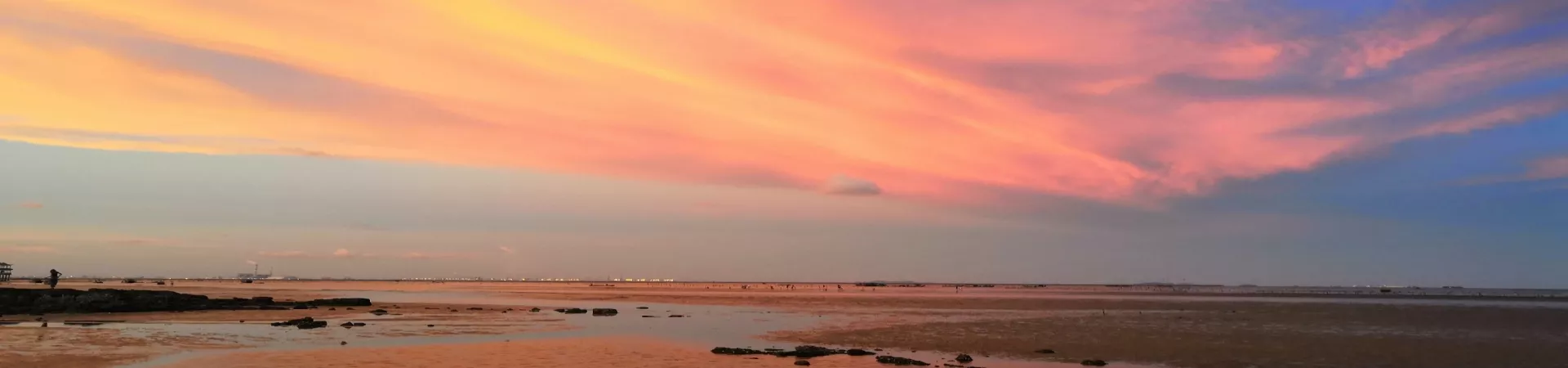
3.1 Admission and Operating Hours In keeping with its uncommercialized nature, access to Lèshān Ancient Fishing Village is free of charge. The village is open to visitors 24 hours a day, every day of the year. This open schedule allows for complete flexibility—from watching the soft glow of dawn over the fishing boats to witnessing the vibrant hues of a sunset reflecting off the wet sand.
3.2 Planning Your Time and Contact A full day is recommended as a minimum to leisurely explore the lanes, interact with locals, and absorb the atmosphere. For the immersive experience of staying overnight and going out to sea, allocating two to three days is ideal. While the village itself operates informally, for specific inquiries or to arrange homestays and fishing trips, it is advisable to contact local tourism services or guides in Fangchenggang. The provided contact number, +86 18277020949, may connect you to a local service or guide who can facilitate deeper engagement with the village community.
Section 4: The Guardian Spirit: The Legend of the Lè Tree
4.1 The Heart of Local Identity Central to the village's identity is the revered Lè tree. These ancient, sturdy trees are far more than flora to the residents of Lèshān; they are sacred symbols of protection and continuity. The village's name itself is a testament to this veneration, meaning "Lè Mountain," directly linking the community's identity to these natural guardians. This belief highlights a profound ecological wisdom and a cultural narrative where human settlement is intertwined with the natural environment, each protecting and sustaining the other.
4.2 Experiencing the Cultural Lore Visitors are encouraged to seek out these legendary trees. Standing in their presence offers a moment to contemplate the deep spiritual connection that shapes the village's collective consciousness. It is a powerful reminder that the heritage of Lèshān is not only found in its buildings and boats but is also rooted in the very land, nurtured by stories and beliefs that have weathered time as steadfastly as the trees themselves.