Port of Dongxing
Subtitle: A Comprehensive Traveler's Guide to Dongxing Port, China's Gateway to Vietnam
1. Introduction to Dongxing Port
Nestled on the southern coast of China, in the city of Fangchenggang, Guangxi Zhuang Autonomous Region, lies the Dongxing Port. This is not merely a point on a map but a vibrant, living threshold between two nations and cultures. As a National Category One Port established in 1958, Dongxing holds significant historical and strategic importance in China's border landscape. Its most striking feature is its astonishing proximity to its Vietnamese counterpart: the Mangjie Port in Mong Cai, Vietnam, is a mere 100 meters away, connected by the iconic Sino-Vietnamese Friendship Bridge over the Beilun River. This unique geographical setup makes Dongxing one of the most accessible and fascinating border crossings in the region, serving as a primary conduit for trade, tourism, and cultural exchange between China and Vietnam. For visitors, it offers an unparalleled opportunity to experience the dynamic interplay of two distinct worlds within a few steps.
2. Planning Your Visit: Practical Information
2.1. Location and Accessibility Dongxing Port is located in Dongxing City, a county-level city under the administration of Fangchenggang Prefecture-level City. It is well-connected by road. Visitors can easily reach Dongxing from Nanning, the capital of Guangxi, via a comfortable 2-3 hour bus or car journey on modern highways. The port area itself is centrally located within Dongxing city, making it convenient to explore on foot after arrival.
2.2. Admission and Costs One of the most appealing aspects of visiting the Dongxing Port area is its accessibility. Admission to the port viewing area and the surrounding pedestrian zones is completely free. Visitors can freely walk along the bustling streets, observe the border gate architecture, and soak in the atmosphere without any entrance fee. However, it is crucial to distinguish between visiting the port area and actually crossing the border into Vietnam. Crossing the border requires a valid passport with an appropriate Vietnamese visa (or pre-arranged visa-on-arrival eligibility for certain nationalities) and may involve standard border control procedures and fees.
2.3. Operating Hours The Dongxing Port border crossing operates under specific hours for official customs and immigration clearance for passengers and goods. These hours are typically from 8:00 AM to 8:00 PM local time, but it is always advisable to check the latest schedule before planning a crossing. For tourists who wish to simply visit the Chinese side of the port, admire the view, and explore the nearby markets, the surrounding public area is accessible 24 hours a day, every day of the year. This means you can experience the area's ambiance in the morning, during the day, or even in the evening when the lights illuminate the bridge and gate structures.
2.4. Suggested Duration To fully appreciate the Dongxing Port experience without rushing, it is recommended to allocate approximately 1 to 3 hours. This timeframe allows for a leisurely stroll along the riverfront promenade, photography sessions with the iconic "1368 Boundary Marker" (post No. 1 of the Sino-Vietnamese border) and the grand port gate, browsing through the extensive border trade markets, and perhaps enjoying a Vietnamese-style coffee at one of the nearby cafes while watching the constant flow of people and goods.
3. The Dongxing Experience: What to See and Do
3.1. The Border Gate and Friendship Bridge The architectural centerpiece is the imposing Chinese border gate complex. Standing here, you can look directly down the short bridge to the Vietnamese gate, a powerful visual symbol of connection. The Sino-Vietnamese Friendship Bridge, while functional, is a constant stream of activity—tourists, traders, and vehicles shuttle back and forth, embodying the economic and social ties between the two countries.
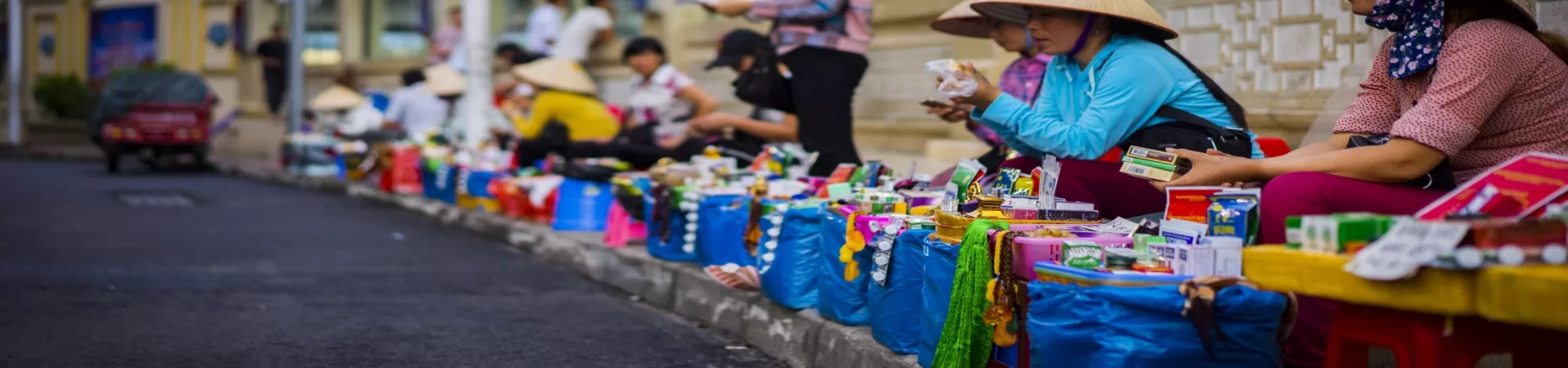
3.2. Vibrant Border Markets The area surrounding the port is a shopper's paradise, teeming with markets and shops. Here, you can find a fascinating array of goods. * Vietnamese Specialty Products: This is the main attraction. Expect to find rich Vietnamese coffee (both beans and instant), cashew nuts, dried fruits, exotic spices, herbal remedies, and iconic items like conical hats (nón lá). * Duty-Free Shopping: Numerous duty-free shops sell imported perfumes, cosmetics, chocolates, and liquors. * Local Snacks and Food: Street vendors and small eateries offer a mix of Chinese Guangxi flavors and Vietnamese culinary influences, such as pho (noodle soup) and fresh spring rolls.
3.3. Cultural and Historical Markers Take time to find the "1368 Boundary Marker" (界碑). This stone monument, numbered 1368, signifies the starting point of the land border between China and Vietnam. It is a popular photo spot and a tangible piece of historical geography. The entire riverside area is landscaped with walkways and plaques offering information about the port's history and significance.
4. Essential Tips for Visitors
4.1. For Border Crossing If your plan includes stepping into Vietnam via the Dongxing/Mangjie crossing, preparation is key. * Documents: Ensure your passport has at least six months of validity. Secure a Vietnamese visa in advance from the Vietnamese Embassy/Consulate in China, or verify if you are eligible for a visa-on-arrival at the border (often arranged through tour agencies). Note that regulations can change, so current verification is essential. * Currency: Have some Vietnamese Dong (VND) or Chinese Yuan (CNY) ready for small expenses on the other side. Money changers are ubiquitous on both sides of the border. * Day Trips: Many travelers visit Mong Cai, Vietnam, as a day trip. Organized tours can simplify the process, handling visa paperwork and guiding you through key sites in Mong Cai.
4.2. General Advice * Bargaining: In the markets, polite bargaining is expected and part of the experience. * Respect Boundaries: While exploring, always be mindful of border regulations. Do not attempt to cross any restricted zones or the bridge without going through proper immigration channels. * Local Exploration: Beyond the port, Dongxing city itself has charming streets with a blend of Chinese and Southeast Asian architectural influences, worth exploring for a more immersive feel.
Dongxing Port is more than just a transit point; it is a destination where the concepts of "here" and "there" blur. The constant hum of commerce, the fusion of languages and aromas, and the sheer physical closeness to another country create a uniquely stimulating environment. It stands as a testament to peaceful cross-border interaction and offers every visitor a tangible sense of being at a crossroads of cultures. Whether you are a curious traveler, a passionate shopper, or a geography enthusiast, the Dongxing Port experience is both memorable and enlightening.