Beilun River
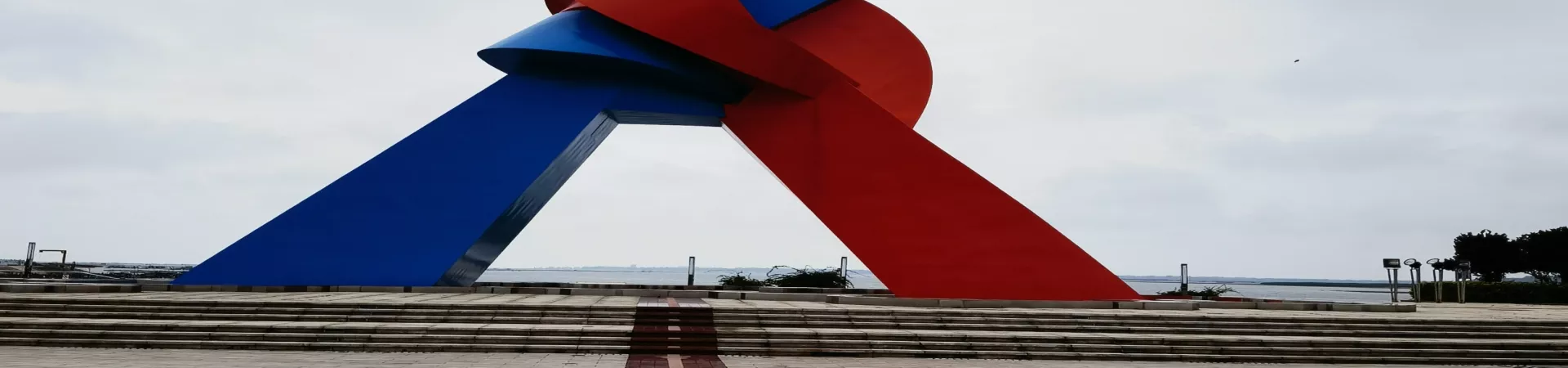
Subtitle: A Border River of History, Culture, and Natural Beauty
1. Introduction Flowing gracefully along the southeastern border between China and Vietnam, the Beilun River is far more than a geographical boundary. Stretching 109 kilometers from its origins in the Shiwandashan Mountains of Guangxi to its mouth at the Gulf of Tonkin, this river is a living tapestry woven with natural splendor, deep historical significance, and a unique cultural fusion. For approximately 60 kilometers of its lower reaches, it serves as the natural border, with the Chinese city of Dongxing on one bank and the Vietnamese town of Mong Cai on the other. A visit here is not merely a sightseeing trip; it is an immersive experience into a zone where two nations, cultures, and histories meet and intertwine against a backdrop of serene landscapes.
2. A River of Natural and Historical Significance 2.1. Geographical Journey The Beilun River begins its life high in the lush, mist-covered peaks of the Shiwandashan (Hundred Thousand Mountains) within Fangchenggang Prefecture. Its journey southeastward carves through verdant landscapes before finally emptying into the blue waters of the Gulf of Tonkin. This transition from mountainous source to maritime estuary creates diverse ecosystems along its banks, offering scenic vistas that range from rugged hillscapes to calm, expansive riverfronts near the coast.
2.2. A Witness to Shared History The river’s role as a border has positioned it as a silent witness to centuries of exchange, cooperation, and camaraderie between the peoples of China and Vietnam. This shared history is most tangibly honored at the Sino-Vietnamese People’s Friendship Park in Dongxing. The park is a profound symbol of bilateral relations. At its heart stands the Sino-Vietnamese People’s Revolutionary Martyrs’ Monument, a solemn tribute to those who sacrificed their lives in common struggles, eternally cementing a chapter of solidarity.
2.3. The Living Symbol: Friendship Trees Within the Friendship Park grows a particularly poignant landmark: two towering, lush trees known as the "Friendship Trees." These were not planted by chance. In 1960, during a visit to Dongxing, the revered Vietnamese leader Ho Chi Minh presented the saplings as a gift. Now grown into majestic giants with sprawling branches and dense foliage, they stand as living, breathing monuments to the enduring desire for peace and friendship between the neighboring nations. Their continued growth symbolizes the hope that these bonds will remain strong for generations to come.
3. Experiencing the Beilun River Today 3.1. The Vibrant Border Life of Dongxing The Chinese riverbank, centered on Dongxing, pulses with energetic border-town vitality. The riverfront is a hive of activity, where the daily rhythm is set by both local life and cross-border interaction. 3.1.1. The Bustling Riverside Walkway A stroll along the well-maintained promenade offers captivating views of the river itself and the Vietnamese shore beyond. It’s a perfect spot for photography, especially at sunrise or sunset when the water reflects the changing colors of the sky. 3.1.2. Cross-Border Commerce and Culture Dongxing thrives as a gateway. The famous border market is a sensory delight, filled with a myriad of goods from both countries—Vietnamese coffee, cashews, and handicrafts sit alongside Chinese specialties. The architecture, cuisine, and even the daily chatter here reflect a unique blend of Chinese and Vietnamese influences, creating a cultural hybrid found nowhere else.
3.2. Scenic and Recreational Pursuits 3.2.1. Boat Tours on the Border Waters One of the most popular ways to experience the Beilun River is by taking a boat tour. These excursions allow visitors to glide along the very line that divides the two countries, offering close-up perspectives of life on both shores—from fishing boats and riverside villages to the official ports of entry. It is a unique and peaceful way to contemplate the river's dual role as both a separator and a connector. 3.2.2. Connection to Fangchenggang’s Wider Attractions The river is an integral part of the broader Fangchenggang area, known for its stunning coastline and the UNESCO-listed Fangcheng Golden Coast. A visit to the Beilun River can easily be combined with trips to pristine beaches like Bailang Beach or explorations of the karst landscapes inland, making it a versatile component of a regional itinerary.
4. Practical Information for Visitors 4.1. Location and Access The primary access point for experiencing the Beilun River is Dongxing City, a county-level city under the administration of Fangchenggang Prefecture in Guangxi Zhuang Autonomous Region. Dongxing is well-connected by highway and bus services from Nanning, the regional capital, with a travel time of approximately 2-3 hours. Its border status means visitors should always carry their passport, even if not crossing into Vietnam.
4.2. Border Crossing Considerations For those wishing to visit Vietnam via the Beilun River, the Dongxing-Mong Cai border crossing is one of the busiest land checkpoints between the two nations. Tourist visas for Vietnam must be arranged in advance unless eligible for visa-free or visa-on-arrival policies. It is crucial to check the latest visa regulations and border hours before planning a crossing.
4.3. Suggested Activities and Itinerary Planning A recommended day trip or overnight stay in Dongxing could include: a morning visit to the Sino-Vietnamese People’s Friendship Park to see the monument and Friendship Trees; a walk along the riverfront promenade; lunch featuring local and Vietnamese-inspired dishes; an afternoon boat tour on the Beilun River; and time for shopping at the border markets. Engaging a local guide can greatly enhance understanding of the area's complex history and culture.
4.4. Contact Information For specific inquiries about local attractions or the Friendship Park, visitors can contact relevant local tourist information services. General contact numbers for the Fangchenggang/Dongxing area include 0770-3656288 and 0770-3656266.