Ezhou Xishan Scenic Spot
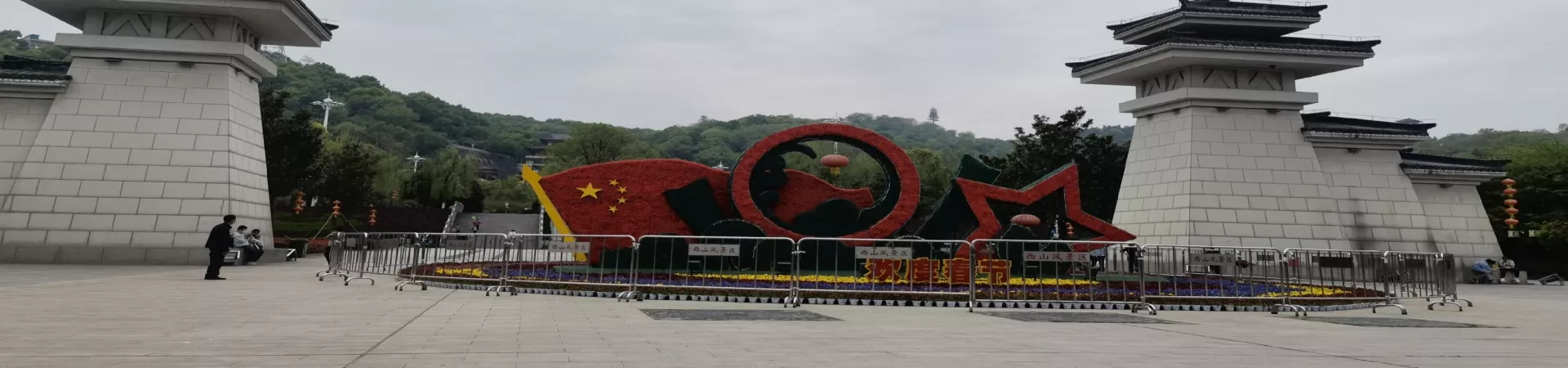
Subtitle: A Journey Through Time and Nature: Exploring Ezhou's Western Hill Scenic Area
1. Introduction to a Historic Landscape Nestled on the southern bank of the mighty Yangtze River, approximately 68 kilometers from the metropolitan hub of Wuhan, lies the Western Hill (Xishan) of Ezhou. Historically known as Fan Hill, it earned its current name from its location west of the ancient capital of the Wu Kingdom—modern-day Ezhou city in Hubei Province. This scenic area presents a captivating tapestry where profound history, rich culture, and serene natural beauty are intricately woven together. Framed by the Yangtze to the north, facing the historic Red Cliff of Huangzhou across the waters, and bordered by the expansive Yanglan Lake to the south, Western Hill rises dramatically from the riverine plains. Its eastern foothills blend into the city's vibrant outskirts, while its western slopes recline against the meandering Baili Fanchuan, creating a majestic panorama of "embracing the river and belted by lakes."
2. The Natural Tapestry of Western Hill The landscape of Western Hill is characterized by its gentle,蜿蜒 (wānyán, winding) ridges, forming nine distinct peaks and six tranquil valleys. Covering an area of over 400 hectares (approximately 4,000 Chinese mu), the hill stretches about 1.6 kilometers from east to west and 1.2 kilometers from north to south, with its main peak reaching an elevation of 170 meters.
2.1. Hydrology and Ecological Features A network of six ravines and gullies crisscrosses the hillside, connecting a remarkable hydrological system comprising seven springs, three ponds, one lake, and two cascading waterfalls. The area is renowned for its exceptional groundwater, which remains abundant throughout the year. Among the most famous springs is the Pusa (Bodhisattva) Spring, whose clear, sweet water is legendary. This pristine water is intrinsically linked to a local culinary treasure—the crisp, flaky, and delicious Su Dongpo Cake, a pastry whose reputation spans the country. The hill's slopes are densely forested with pines and cypresses, their canopy casting deep shadows over verdant valleys and reddish cliffs, while the sound of "flying waterfalls rinsing jade" adds to the serene atmosphere.
3. Layers of History: From Kingdoms to Poets Western Hill's significance is deeply rooted in over two millennia of Chinese history, serving as a silent witness to dynastic changes, spiritual pursuits, and literary flourishing.
3.1. The Legacy of the Wu Kingdom The hill's historical narrative is prominently marked by its association with the Three Kingdoms period. It served as part of the territory for Sun Quan, the founding emperor of the Eastern Wu Kingdom, who established his capital in present-day Ezhou (then called Wuchang). The most iconic relic from this era is the Wu King Summer Palace. Constructed between 221 and 229 AD, this retreat was built for Sun Quan to escape the summer heat and pursue his studies. Known as a "cool and blessed land" within the city, the site is naturally 2-3°C cooler than the urban area below, shaded by pine trees and serenaded by murmuring mountain streams.
3.2. A Center for Buddhism and Culture In the late 4th century (during the Taiyuan era of the Eastern Jin Dynasty, 376-396 AD), the renowned monk Huiyuan, captivated by the site's spiritual aura, repurposed the foundation of the old Summer Palace to establish the Ancient Lingquan Temple. This act transformed the area into a significant Buddhist center, a legacy that continues today. Following the monk's footsteps, countless luminaries were drawn to Western Hill across successive dynasties. It became a sanctuary for officials, poets, scholars, and generals who came for contemplation, study, artistic creation, leisure, and seclusion.
3.3. A Gathering Place for Literary Giants The list of distinguished visitors reads like a who's who of Chinese history and letters: from earlier figures like Tao Kan and Yu Liang of the Jin Dynasty to the poetic titans Li Bai (Tang Dynasty) and Su Shi (Song Dynasty). Su Shi, also known as Su Dongpo, is particularly celebrated here, not only for his visits but also for the pastry that bears his name. Scholars and statesmen such as Ouyang Xiu, Wang Anshi, Lu You (Song Dynasty), and later figures like Peng Yulin and Zhang Zhidong (Qing Dynasty) all left their mark. They composed enduring poems, created calligraphic masterpieces, and engaged in philosophical discourse, immensely enriching the hill's cultural heritage. The site also preserves traces of modern history, including connections to calligrapher Zhang Yuzhao, revolutionary martyr Peng Chufan, and even military activities led by General He Long during the revolutionary period. In the modern era, state leaders like Dong Biwu have visited, and in 1965, Marshal Chen Yi famously praised the hill's beauty, exclaiming, "Western Hill is no less impressive than Mount Lushan!"
4. Key Sites and Visitor Information Today, visitors can explore over twenty key historical and scenic spots that encapsulate this layered history.
4.1. Major Historical Attractions * Wu King Summer Palace: The preserved side hall of the original palace, known as the Summer Retreat Hall, offers a glimpse into the Three Kingdoms period and the hill's origins as an imperial retreat. * Wuchang Tower: A commanding structure that provides panoramic views of the Yangtze River and the surrounding landscape, symbolizing the hill's historical vantage point. * Ancient Lingquan Temple: The enduring Buddhist temple stands as a testament to the site's spiritual significance for over 1,600 years, representing the seamless integration of imperial and religious history.
4.2. Practical Information for Travelers The Western Hill Scenic Area harmoniously blends these cultural landmarks with its natural forests, springs, and walking paths, offering a peaceful escape and a profound historical journey. * Opening Hours: 08:30 - 17:30 daily. Last admission is at 17:00. These hours apply throughout the year (January 1st to December 31st, Monday through Sunday). * Contact Telephone: 0711-3222415