A stick of incense
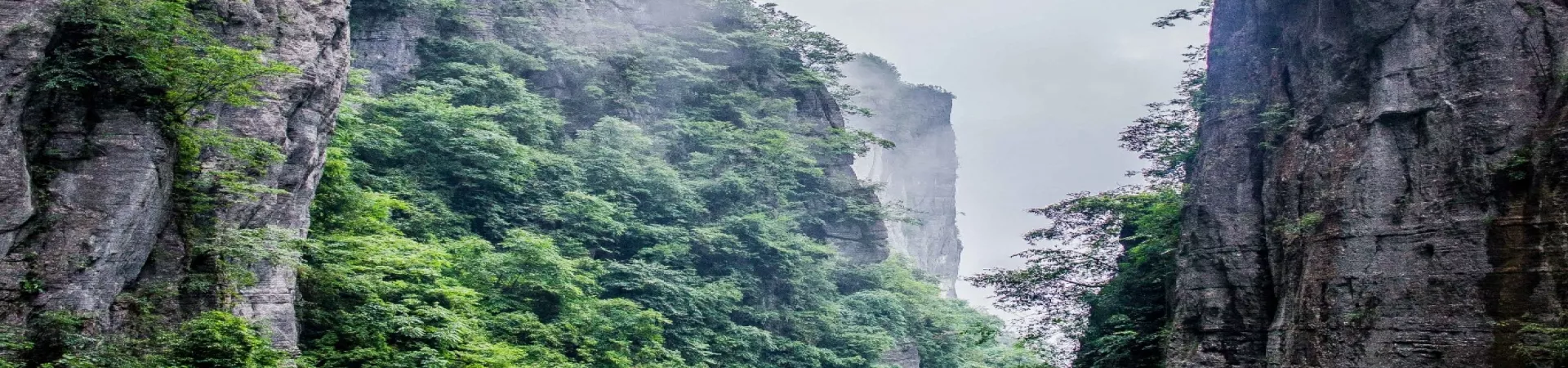
The Enigmatic One Incense Stick: A Geological Marvel and Cultural Beacon in Enshi Grand Canyon
Nestled within the awe-inspiring landscape of the Enshi Grand Canyon in Hubei Province, China, exists a natural formation so singular, so defying of conventional geology, that it has captivated imaginations for generations. This is the One Incense Stick (Yī Zhù Xiāng), a towering stone spire that stands as one of the region's most iconic and mystical landmarks.
A Monument in Miniature: Geological Specifications Rising with improbable elegance to a height of approximately 150 meters (492 feet), the One Incense Stick presents a study in dramatic contrast. Its most astounding feature is its astonishingly slender profile, with a diameter measuring a mere 4 meters (13 feet) at its base. This extreme height-to-width ratio creates the visual illusion of a colossal incense stick planted into the earth by divine hands, a comparison that fuels both its name and its legendary status. Geologically, it is a pinnacle of dolomitic limestone, a remnant of millions of years of relentless erosion by water and wind that carved away the surrounding rock, leaving this resilient column isolated and proud against the sky. It is widely regarded as a peerless wonder, a testament to the powerful and artistic forces of nature.
Myth and Legend: The Pillar of Divine Aid Beyond its physical form, the One Incense Stick is deeply woven into the cultural fabric of the local Tujia and Miao communities. According to enduring folklore, this pillar is not a random act of nature but a sacred gift from the heavens. The legend narrates that in times of great difficulty—be it drought, famine, or disaster—the local people could seek the intervention of benevolent deities. By climbing to its base and lighting an offering (symbolically "lighting" the great incense stick), their prayers and smoke would rise to the gods, who would then descend to earth to provide assistance and solace. This story transforms the stone pillar from a mere rock formation into a symbol of hope, resilience, and the perceived connection between the human realm and the celestial. It embodies a spiritual heritage where the landscape itself is an active participant in the community's well-being.
The Three Wonders: Defying Natural Law The enduring existence of the One Incense Stick is described locally through "Three Great Wonders" (Sān Dà Qíguān), which highlight its seemingly miraculous stability: * Wind Cannot Blow It Over: Despite its slender form, exposed to mountain gusts and storms, it stands unyielding. * Rain Cannot Erode It Away: Centuries of weathering have sculpted it but failed to significantly diminish its core structure. * Its Own Weight Cannot Crush It: Defying the logic of physics for a structure of its proportions, the immense mass of the stone does not cause it to buckle or collapse under its own pressure.
These "wonders" are, in scientific terms, a testament to the unique density and structural integrity of the limestone and the specific erosional history of the canyon. Yet, in the eyes of visitors and storytellers, they elevate the pillar to the status of a natural monument possessing almost supernatural endurance.
Practical Information for Visitors
Visiting Details: * Location: Within the Enshi Grand Canyon Scenic Area, Enshi City, Hubei Province. * Admission: There is no separate ticket for the One Incense Stick. Access is included in the general admission ticket for the Enshi Grand Canyon scenic area. * Suggested Visit Duration: Approximately 30-60 minutes to fully appreciate the viewing platforms and surrounding vistas. * Opening Hours: The viewing areas are accessible during the scenic area's operating hours, typically from morning until evening. However, as a natural landmark, it is visible "open" year-round.
Transportation Guide: Reaching the One Incense Stick requires journeying into the Enshi Grand Canyon. * By Public Transport: 1. From downtown Enshi, take a city bus or taxi to the Enshi Grand Canyon tourist distribution center or the long-distance bus station. 2. Transfer to a dedicated scenic area shuttle bus or a scheduled coach service bound for the Grand Canyon (Dàxiágǔ). These buses terminate at the main parking area (Maanlong Parking Lot). 3. From the scenic area entrance, access to the One Incense Stick is via the canyon's extensive walking trails and pathways, which may include cable cars or shuttle buses within the park to specific trailheads. * By Private Car/Self-Drive: * Route 1: From Enshi city center, drive along Hangkong Avenue, proceed onto Tusi Road and Qifeng Avenue to connect with National Highway G318. After several minutes, look for a clearly signposted right-hand turnoff onto the dedicated road for the Enshi Grand Canyon Scenic Area. This mountain road leads directly to the Maanlong Parking Lot, with a drive time of roughly 75 minutes. * Route 2: Alternatively, take G318 directly from Enshi towards the town of Tuanbao. In Tuanbao, turn right off the highway onto the dedicated Grand Canyon road, following it to the Maanlong Parking Lot. Parking is available at the designated lot, after which visitors must use the park's internal transport system and trails.
Contact Information: For the latest information on park conditions, tickets, and internal transport, it is advisable to contact the Enshi Grand Canyon scenic area administration. * Scenic Area Inquiry: +86 718 854 2333 * Customer Service: 400-0718-126
(Information last verified: January 2023)