Escape Gorge Scenic Area
Subtitle: A Journey into the Heart of Enshi's Hidden Gem: Duobi Gorge
Nestled within the majestic landscapes of Hubei Province, the Enshi Tujia and Miao Autonomous Prefecture is home to some of China's most breathtaking natural scenery. Among its crown jewels is the captivating Duobi Gorge (躲避峡), often poetically referred to as Pingshan Canyon (屏山峡谷). Located approximately 10 kilometers east of Hefeng County's urban center, this destination is far more than a scenic wonder; it is a profound journey into a realm where dramatic geology, serene waterways, and deep historical legacy converge to create an unforgettable experience.
I. The Geological Marvel: A World Between Cliffs
The first and most immediate impression of Duobi Gorge is one of awe-inspiring grandeur. The canyon is a masterpiece of natural architecture, carved over millennia by relentless water and tectonic shifts.
A. The Embrace of Vertical Walls
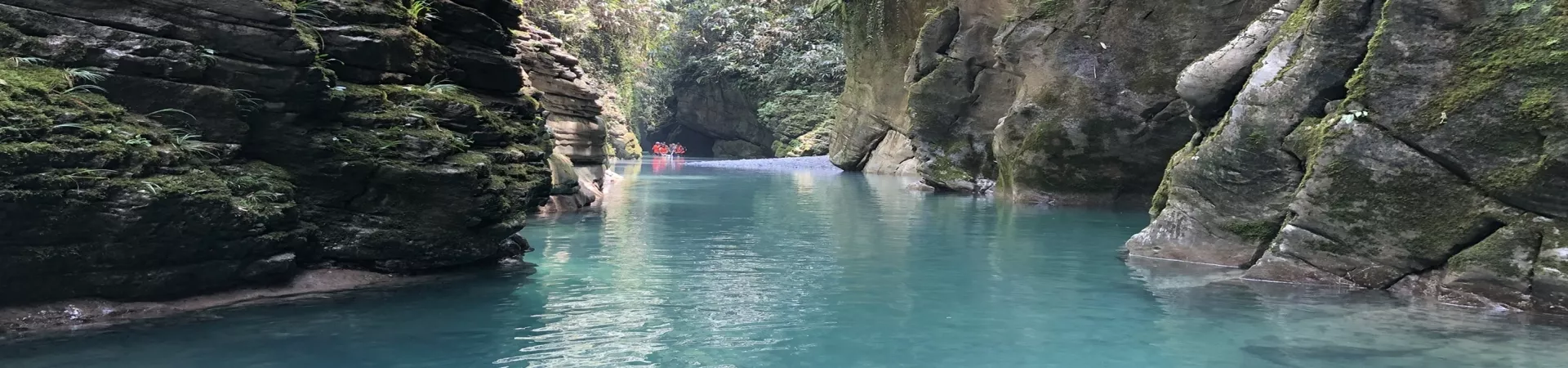
Upon entering the gorge, visitors find themselves in a world defined by immense, soaring cliffs. These precipitous rock faces rise hundreds of meters on either side, their surfaces a tapestry of mineral streaks, hardy vegetation, and fascinating erosional patterns. The sheer scale of these walls creates a profound sense of intimacy and insignificance simultaneously, as sunlight filters down in narrow beams, illuminating the canyon floor in a dynamic, ever-changing play of light and shadow.
B. The Crystal-Clear Waterway
The lifeblood of Duobi Gorge is its tranquil, crystalline river that meanders through the heart of the canyon. The water, often a stunning shade of emerald or turquoise, is so transparent that the riverbed of smooth, colorful pebbles is visible even at considerable depths. This remarkable clarity is a result of the area's exceptional environmental preservation and limestone filtration.
II. The Signature Experience: Navigating the Canyon
The primary mode of exploration within Duobi Gorge is by boat, an activity that transforms sightseeing into a participatory adventure.
A. A Boat Ride Through Paradise
Gliding silently on a wooden boat or a small dinghy is the quintessential Duobi Gorge experience. As you drift along the placid water, the only sounds are the gentle dip of the oar and the echoes of nature. The perspective from the water level is magical—looking straight ahead, the water mirrors the cliffs and sky, creating perfect reflections that blur the line between reality and illusion. Looking upward, the cliffs tower overhead, framing a narrow strip of sky.
B. Key Sights Along the Journey
The boat journey is punctuated by several notable features: * Narrow Passages: At points, the canyon walls narrow dramatically, allowing boats to pass through serene, channel-like sections where one can almost touch the rock on both sides. * Quiet Pools and Inlets: Smaller, secluded pools branch off the main waterway, offering moments of perfect stillness and reflection. * Natural Light Shows: Depending on the time of day, sunlight enters the gorge at specific angles, creating ethereal "light beams" that spotlight sections of the water and rock.
III. A Layer of History: The Tusi Legacy
Beyond its natural beauty, Duobi Gorge is steeped in significant human history, adding a rich cultural dimension to the visit. The area was historically part of the domain of the Tusi (土司), or local chieftains, who governed this remote region for centuries under the imperial Chinese system of indirect rule.
A. Pingshan as a Seat of Power
The surrounding area of Pingshan was of strategic importance. Its natural defensive properties—protected by the very cliffs that define the gorge—made it an ideal stronghold. Historical records and remnants indicate that successive Tusi lords established their official residences and administrative centers here. The ruins of these Tusi爵府 (Juefu, or chieftain mansions) still exist in the vicinity, silent witnesses to a bygone era of local autonomy and power.
B. Connecting Landscape and Legacy
Exploring Duobi Gorge, one cannot help but reflect on how this formidable landscape shaped history. The imposing geography provided security, solitude, and a symbolic seat of authority for the Tusi rulers. This historical context allows visitors to appreciate the gorge not just as a natural site, but as a historical fortress and a home, intertwining nature with the narratives of the Tujia and Miao ancestors.
IV. Practical Information for Visitors
To ensure a smooth and fulfilling trip to Duobi Gorge, please note the following practical details.
A. Duration of Visit
A comprehensive experience of Duobi Gorge, including transportation to the entry point, the boat tour, exploration of the paths along the rim, and time for photography, typically requires a minimum of 3 hours. Many visitors choose to spend half a day or more to fully immerse themselves in the pace and beauty of the location without feeling rushed.
B. Tickets and Opening Hours
Due to factors such as seasonal weather conditions, water levels in the canyon, and local conservation management policies, operational details can vary. * Ticket Information: It is highly recommended to check the specific ticket prices and purchase procedures directly with the scenic area prior to your visit. This can often be done via official travel platforms, local hotel concierges, or by contacting the park's management office. * Opening Hours: Similarly, the official opening and closing times, as well as last entry times for boat tours, are subject to change. Confirming the current opening schedule with the景区 (scenic area) directly is an essential step in planning your itinerary.
A visit to Duobi Gorge is an immersion into a different world—a place of serene beauty, geological wonder, and historical resonance. It is a destination that invites quiet contemplation, inspires awe, and leaves a lasting impression of nature's power and grace.