Enshi Suobuya Stone Forest
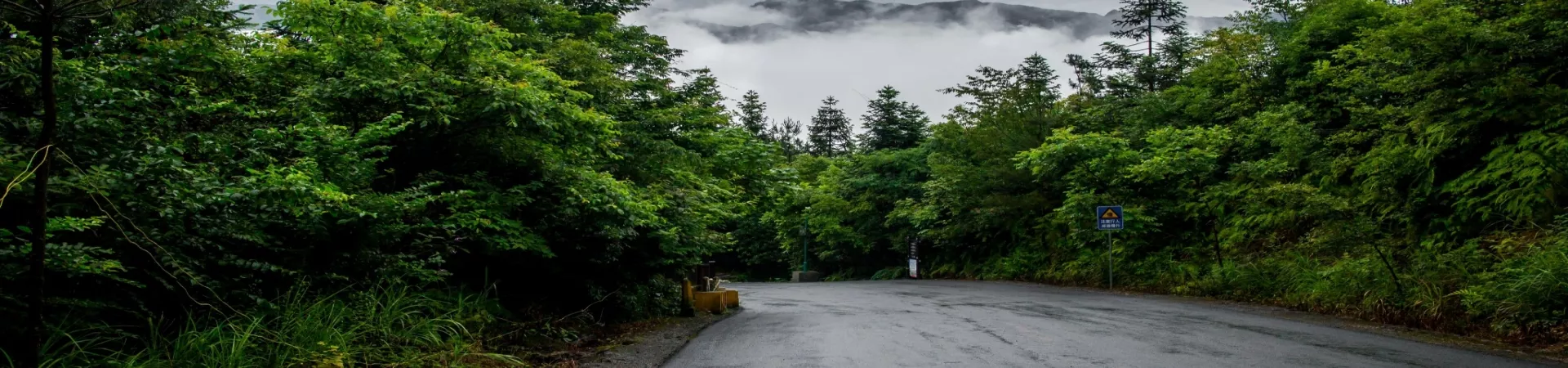
Subtitle: A Journey Through 460 Million Years: Unveiling the Mysteries of Suobuya Stone Forest
1. Introduction: A Geological Marvel in the Heart of Hubei
Nestled in the mountainous terrain of Enshi City, Hubei Province, lies a landscape that defies ordinary description—the Suobuya Stone Forest. As a national 4A-level tourist attraction, this geological wonder is situated approximately a 40-minute drive from downtown Enshi, perched at an average elevation of 1,000 meters. Encompassing a vast area of about 21 square kilometers, the stone forest's overall outline remarkably resembles a giant gourd, cradled by emerald-green screens of vegetation and competing peaks. It stands as one of the first natural scenic areas developed in the Enshi Prefecture and holds the unique distinction of being named in the Tujia language, where "Suobu" signifies "three or more," a reference to the multiple mountain passes (Ya) within its domain. More than just a collection of rocks, Suobuya is a profound portal into the deep past, a vibrant cultural hub, and a cornerstone of Enshi's tourism identity.
2. The Geological Tapestry: A Story Etched in Stone
2.1. Origins in the Ancient Seas The true majesty of Suobuya lies in its incredible age. Its formation traces back to the Ordovician period, approximately 460 million years ago, when the region was submerged under a primordial sea. Immense tectonic forces later uplifted these ancient seabeds, sculpting them through eons of erosion into the breathtaking labyrinth seen today. This "petrified sea" has earned Suobuya the prestigious title of "The World's First Ordovician Stone Forest."
2.2. Distinctive Landform Characteristics The stone forest is not monolithic in its beauty; it presents a fascinating array of geological features. Over 100 distinct natural landscapes have been developed for exploration, typically categorized into four iconic types: * The Fossil Stone Forest: Layers of rock embedded with marine fossils, offering tangible evidence of its oceanic origins and speaking to the concept of "seas running dry and rocks crumbling" through time. * The Crowned Stone Forest: Peculiar rock formations topped with vegetation or unique capstones, resembling natural crowns perched upon stone pillars. * The Dissolution Vein Stone Forest: Intricate patterns and textures etched into the rock surfaces by millennia of acidic water dissolution, creating nature's own intricate artwork. * The Cultural Stone Forest: Areas where the natural formations are deeply intertwined with local legends, folklore, and human history.
Wandering through this "subterranean marine maze," as featured and explored multiple times by CCTV-10's documentary series "Geography·China," visitors experience a palpable sense of traveling through hundreds of millions of years, a journey that is both humbling and awe-inspiring.
3. A Living Cultural Heritage: The Soul of the Tujia People
3.1. The Enshi Tujia Daughter's Festival Suobuya's significance extends far beyond geology. The area is renowned as a repository of rich intangible cultural heritage, even recognized as "A Hometown of Outstanding Chinese Folk Art." At the heart of this cultural soul are the local mountain folk songs. Most prominently, Suobuya is celebrated as the inheritance site for one of Enshi's three cultural name cards—the Enshi Tujia Daughter's Festival. This vibrant traditional festival, which serves as a platform for courtship and social gathering, is seamlessly integrated into the fabric of the scenic area. The cultural IP of "Attending the Daughter's Festival in Summer and the Temple Fair in Winter" animates the stone forest with color, music, and age-old customs.
3.2. A Hub of Local Life The景区 (scenic area) has evolved into a comprehensive destination. It successfully blends tourism with local commerce, offering accommodations, diverse dining options featuring local Enshi cuisine, folk activities, and recreational projects. This integration of geological wonder, wellness retreat, culinary exploration, and leisurely enjoyment has solidified Suobuya's role as a premier geo-cultural tourism destination in Enshi.
4. Practical Visitor Information
4.1. Tickets and Operating Hours * Ticket Price: * Standard Adult Ticket: 78 RMB. * Concession Ticket (40 RMB): Applicable to children with height between 1.2m-1.5m, full-time students (undergraduate and below) with valid ID, and seniors aged 60-69 with valid证件. * Free Admission: Children under 1.2m (or below 6 years old) and seniors aged 70 and above. * Scenic Area Transportation Fee: 30 RMB (separate from admission). * Note: Prices are for reference; please verify at the ticket office on the day of visit. * Operating Hours: * April 1 - October 31: 8:00 - 18:00 (last entry at 16:30). * November 1 - March 31: 8:30 - 17:00 (last entry at 16:00).
4.2. Transportation and Visit Duration * Getting There: Direct tourist shuttle buses to Suobuya Stone Forest are available from both the Enshi Passenger Transport Center and the Hongmiao Bus Station. * Suggested Visit Duration: Planning for 1 to 3 hours is recommended to fully appreciate the main sights and atmosphere.
4.3. Contact Information * For inquiries, visitors can contact the scenic area at: 0718-8788066.