Enshi Dixin Valley Scenic Area
Subtitle: A Journey Through Deep Time: Nature, History, and Adventure in Enshi's Heartland
1. Introduction Nestled within the majestic mountains of Hubei Province, the Enshi Grand Canyon – often poetically referred to as the "Heart-Valley of the Earth" – stands as a monumental testament to the artistic power of geological time and a profound repository of human history. Strategically located at the iconic 1314-kilometer mark of the G318 National Highway, a legendary route for Chinese road-trippers, this destination is more than a scenic stop; it is a pilgrimage for those seeking to connect with the primal forces that shaped our world and the ancient paths trodden by our ancestors. The canyon offers a breathtaking synthesis of awe-inspiring natural architecture and layers of civilization, inviting visitors on an immersive voyage that transcends mere sightseeing.
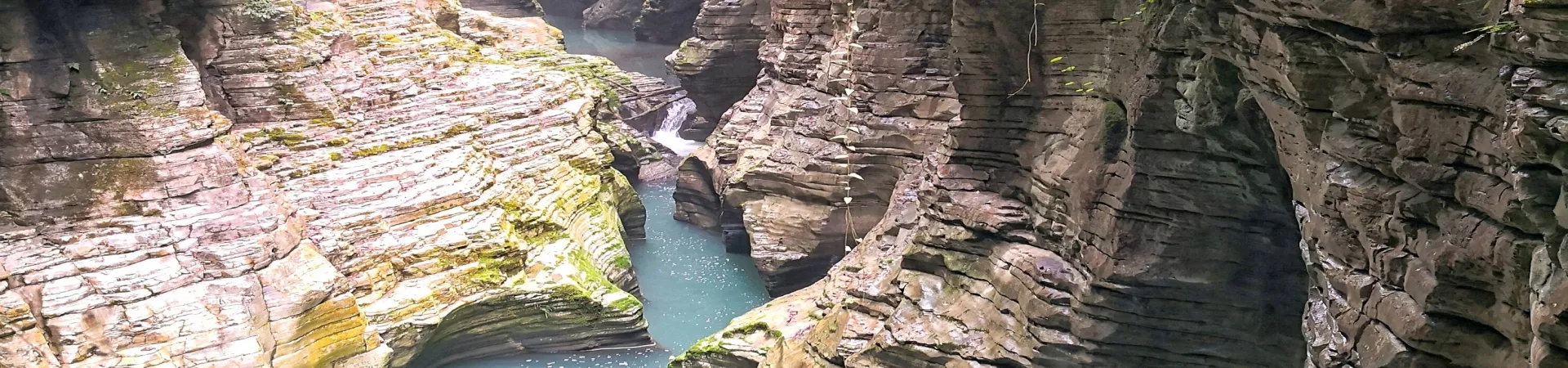
2. A Geological Masterpiece: The Karst Trough Valley 2.1. Formation of a Natural Wonder The core spectacle of Enshi Grand Canyon is its magnificent karst trough valley (Zhanggu), a geological formation of staggering scale and beauty. This landscape is the result of a patient, 250-million-year artistic endeavor begun in the Triassic period. Through the relentless work of tectonic uplift and water erosion on soluble limestone, nature has sculpted a deep, narrow gorge with towering, precipitous cliffs that seem to reach for the sky. The play of light and shadow on the rock faces, the lush vegetation clinging to the slopes, and the crystal-clear streams flowing at the base create a scene of dramatic and serene beauty.
2.2. A World-Record Landscape This specific type of landform is recognized as the world's longest continuous karst trough valley system. Walking along the meticulously engineered trails and bridges that hug the canyon walls, visitors are granted a humbling perspective on Earth's dynamic history. Each stratum of rock tells a silent story of ancient seas, climatic shifts, and the immense, slow-motion forces that continue to shape our planet. The sheer verticality and length of the gorge offer unparalleled views and a profound sense of walking through a crack in the very crust of the Earth.
3. The Cradle of Humankind: Challenging Historical Narratives 3.1. The Jianshi Hominid Site Adding an extraordinary anthropological dimension to the site, the canyon region is home to the "Jianshi Hominid Site," with fossils dated to approximately 2.15 million years ago. These remains belong to a species of upright-walking hominid (Homo erectus). The significance of this discovery cannot be overstated, as it presents a formidable challenge to the long-held "Out of Africa" hypothesis for human origins. It suggests that East Asia was also a crucial stage for early human evolution, making a visit here a walk through a chapter of prehistory that is actively reshaping our understanding of humanity's deep past.
4. The Ancient Bayan Ancient Trail: A Corridor of Civilization 4.1. Historical Significance and Recognition Winding through the canyon is the historic Bayan Ancient Trail, a pathway with roughly 6,000 years of continuous use. This was not merely a footpath but a vital economic and cultural artery, part of the network known as the "Ancient Salt Road." It facilitated the treacherous transport of precious salt and goods between the Ba and Shu regions (modern-day Sichuan and Chongqing) and central China. Hailed by China National Geographic as China's "Fifth Most Significant Ancient Trail," it served as the crucial "Throat of Ba and Shu," controlling movement and commerce for millennia.
4.2. Preserved Authenticity Today, sections of this ancient stone-paved trail are preserved in remarkably pristine condition within the canyon. Trekking these same steps allows one to follow in the footsteps of ancient traders, soldiers, and messengers. The trail offers a tangible, physical connection to the Qin and Han dynasties and beyond, showcasing the engineering prowess and perseverance of past civilizations amidst a landscape that remains largely untouched and pure in its ecological state.
5. Practical Visitor Information 5.1. Location & Transportation The Enshi Grand Canyon is located near Gaoping Town in Enshi Prefecture, Hubei. The most convenient access for non-drivers is via high-speed train to the Gaoping Railway Station. From the station, a short taxi or ride-share journey of approximately 10 minutes will bring you to the景区 entrance. For those on the iconic G318 road trip, the entrance is directly accessible from the highway at the memorable 1314km point.
5.2. Tickets & Operating Hours * Ticket Prices (For Reference): * Combo Ticket (Entry + Scenic Area Bus): Adult: 105 RMB; Concession (Child, Senior, Student): 90 RMB. * Scenic Area Transfer Bus Only: 30 RMB. * Note: Prices are subject to change. Please verify the latest fees on the official website or at the ticket office on the day of your visit. * Opening Hours: * Monday to Friday: All day. * Saturday, Sunday & Public Holidays: 8:00 - 15:00 (Last entry at 15:00). * Important Note on Tickets: Concessionary or free entry tickets (for eligible groups) typically cover admission only. The separate, mandatory scenic area transfer bus fee usually still applies. Children between 1 meter and 1.2 meters in height generally require a bus ticket.
5.3. Suggested Visit Duration & Contact A comprehensive visit to explore the main trails, geological sights, and historical paths requires a minimum of 3 to 4 hours. Visitors should wear sturdy, comfortable walking shoes and be prepared for changing weather conditions in the mountains. For the most current information, it is advisable to contact the景区 directly prior to your visit: * Tel: +86 718 3415666; +86 718 3415644.
Information last updated: February 2023.